How to Write Product Descriptions for Your Cottage Food Business That Actually Sell
Learn the four things every great cottage food product description needs — with templates, real examples, and the mindset shift that turns browsers into buyers.
 1 min read
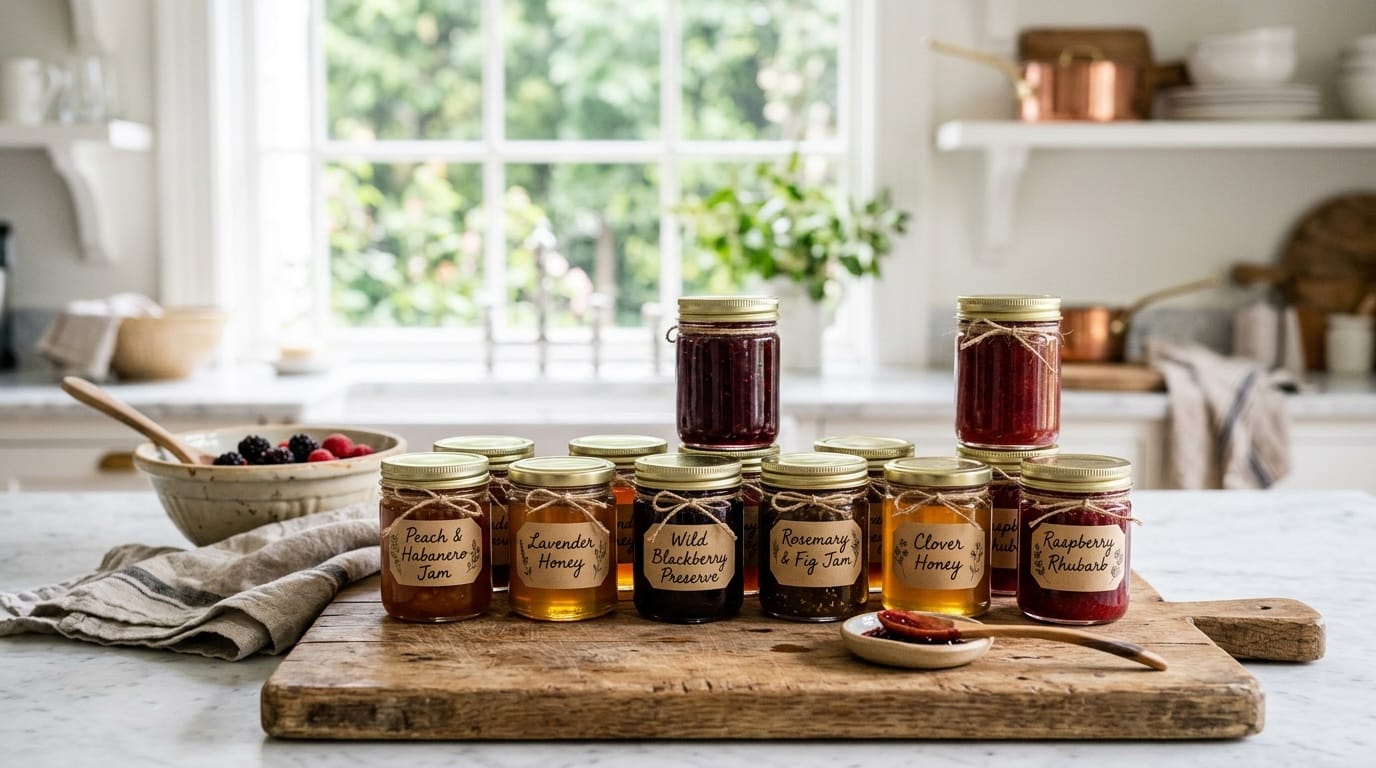
You've perfected the recipe. The label looks great. But at your booth, customers pick up the jar, read it, set it down, and keep walking. Sound familiar?
Here's the hard truth most cottage food vendors learn the long way: a great product gets you to the table. A great product description closes the sale. When shoppers can't taste before they buy — which is true for jams, granola, spice blends, and most of what you make — your words are doing all the selling.
Why Product Descriptions Do More Work Than You Think
At your farmers market booth, you're there in person. You can hand out samples, answer questions, let your energy do the heavy lifting. But when a customer finds you on a marketplace listing, a local food search, or a Google result? Your words are working completely alone.
A product description is the conversation you'd have if you could teleport yourself into every shopper's kitchen the moment they discover you online. It needs to answer the question they're silently asking: Why does this matter? Why is yours better than the jar at the grocery store? Why should I spend $14 on peach jam?
The good news: you already know the answers. You've just never thought to write them down.
The Four Things Every Great Description Needs
The best cottage food product descriptions hit four notes, in this order:
1. A sensory hook. Start with how it tastes, smells, or feels — not what it is. "Rich, dark caramel with a slow burn of sea salt" lands differently than "Salted Caramel Sauce." Lead with the experience you're delivering, not the category you're in.
2. The origin story (one sentence is enough). Did this recipe come from your grandmother's handwritten notebook? From three summers of testing until you cracked the ratio? From the heirloom peach farmer two towns over? A single origin sentence does more than a full paragraph of bullet points. People don't just buy products — they buy the story behind them.
3. The "what do I do with this" moment. This one gets skipped constantly, and it costs sales. Your customer might love the sound of lavender honey — but she's standing there wondering if she'd actually use a whole jar. Give her three concrete uses: stir into iced tea, drizzle over brie, glaze roasted carrots. You've just turned a "maybe" into a "yes, obviously."
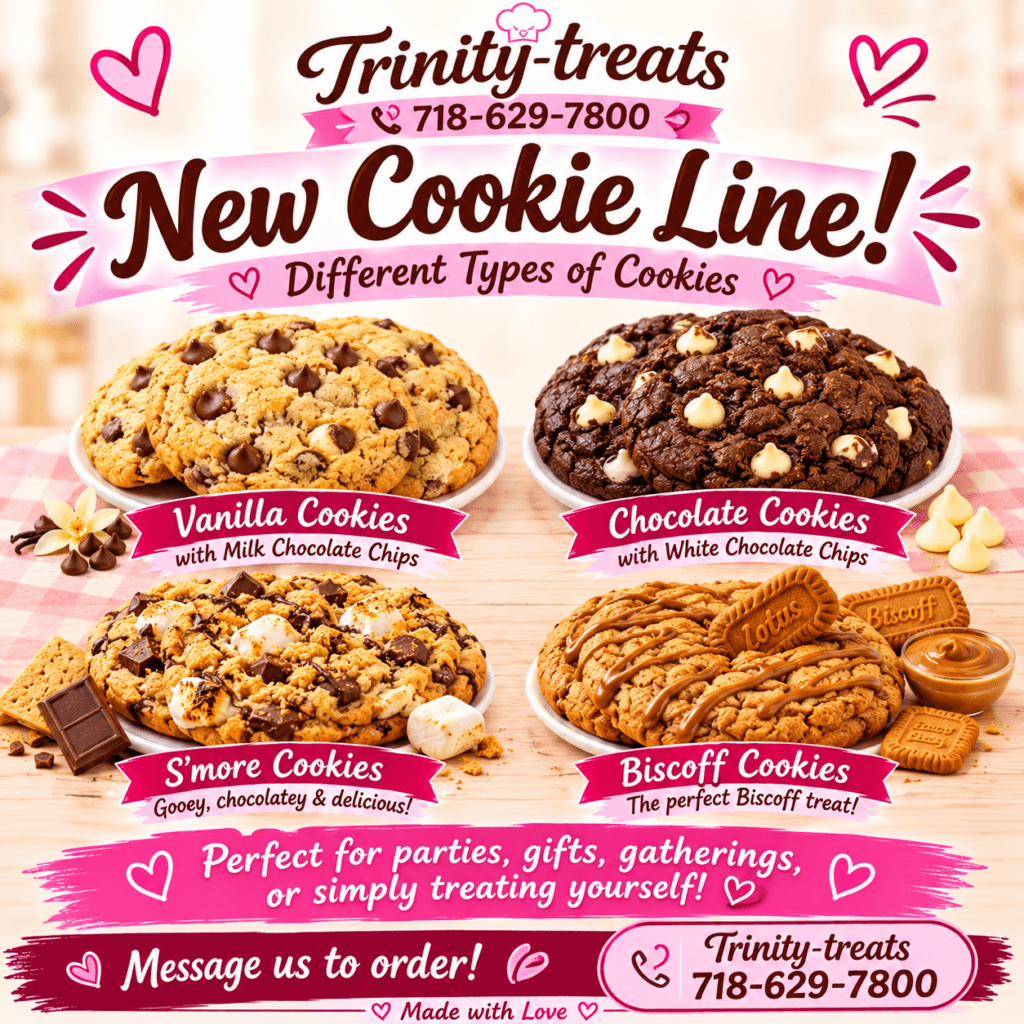
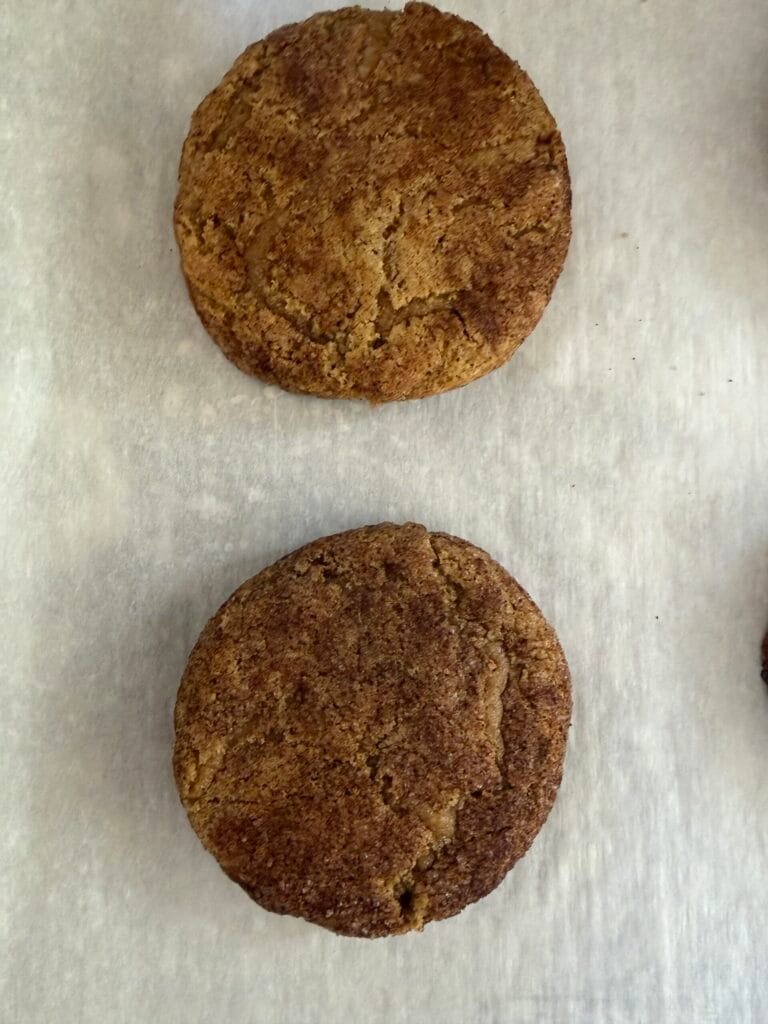
4. One grounding detail that proves you're different. This is your proof point — the specific thing that separates your product from anything a customer could grab at the grocery store. Small batch of 24 jars. Peaches sourced from a farm eight miles away. No preservatives, no artificial pectin, made fresh every Thursday morning. One true, specific detail does more work than ten generic quality claims.
Write for the Person Who's Already Interested
Here's a mindset shift that changes everything: your product description isn't trying to convince a stranger. It's talking to someone who already likes the sound of your product and just needs a nudge. They're warm, not cold. They're reading because they're interested.
Write like you're finishing the sale in a friendly, personal conversation. Drop the formal business language. Skip the ingredient list dressed up as a description. Write the way you'd talk about your product to a neighbor who just asked what was in the jar on your counter.
And please — retire the words "artisan," "handcrafted," and "small-batch" from your first sentence. Every product at every booth is small-batch and handcrafted. Lead with what makes yours specifically yours, not with the category it belongs to.
Three Sentence Starters to Steal
Sometimes the blank page is the hardest part. Here are three templates to get you unstuck:
"This started when [specific moment or ingredient], and after [brief story], it became the thing [your customers / family / neighbors] ask for by name every [season / occasion]."
"[Sensory hook]. Made with [specific local or special ingredient] and nothing you can't pronounce — it's perfect on [use 1], [use 2], or honestly, just [use 3]."
"You know that [moment or feeling]? That's what we were going for. [Product name] is [one-line description] — [one-sentence origin]. No [what's missing]. Just [what's there]."
Write a few drafts. Read them out loud. If you'd be embarrassed to say it directly to a customer, rewrite it. If it sounds like a press release, rewrite it. If it sounds like you — warm, specific, a little proud — you're done.
A Note on SEO (Because It Actually Matters Here)
If your products live anywhere online — and at Butter & Sage Market, they do — the words in your listing are also how shoppers find you through search. Think about what a real customer would actually type: "local strawberry jam," "small batch hot honey," "peach jalapeño spread farmers market." Work those phrases in naturally. You don't need a marketing degree — you just need to write the way real people talk about food.
The best product description you'll ever write is the one that sounds exactly like you, answers the questions real customers actually ask, and makes them feel like they'd be genuinely missing out if they didn't grab a jar before they head home.


Keep reading
More from the market
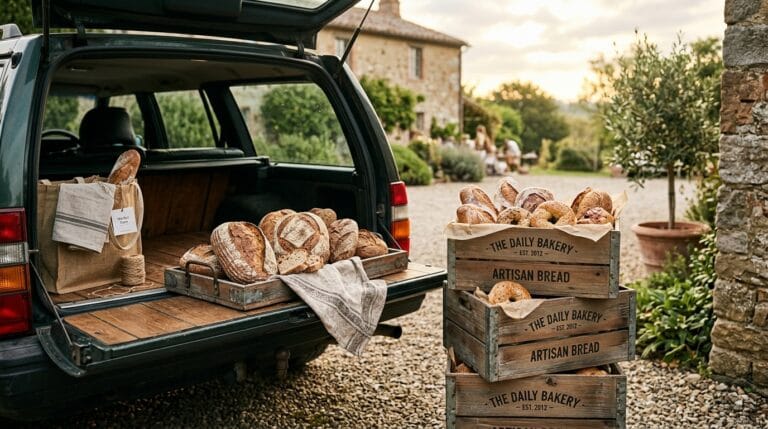
How to Get Your Baked Goods to Market Without Wrecking Them
Cakes slide, frosting sweats, cookies go soft in the car. The crates, timing and packing order that get your bakes to the…
Read more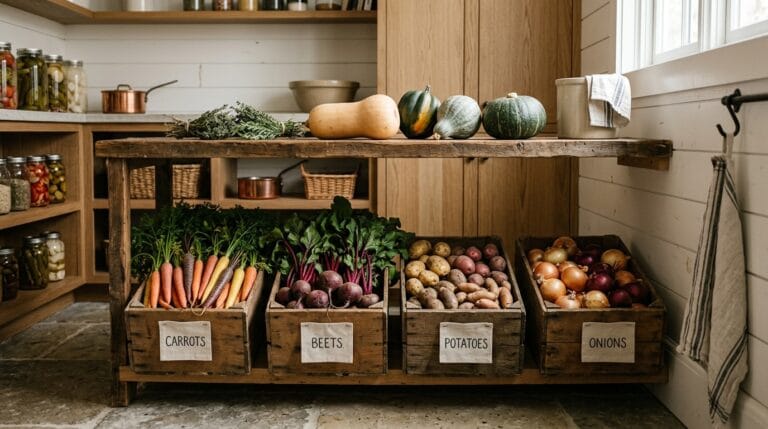
How to Store Root Vegetables and Winter Squash So They Last Until Spring
Potatoes, squash, carrots and onions will keep for months if you get a few things right. What each one wants, and the…
Read more
What to Do With Unsold Stock When the Market Season Ends
The last market of the season ends with a car full of what did not sell. Here is how to turn that…
Read more