
There is a particular Saturday in late October or early November when your market has its last day, everybody hugs, somebody brings donuts, and then you drive home and it hits you: that was the income. Until May.
It does not have to be. The vendors who make it through winter comfortably are not the ones with the biggest summer — they are the ones who decided in September what November through March was going to look like. You are reading this in September. Good timing.
Find out what winter markets exist near you, this week
Most people assume their region does not have winter markets because they have never seen one advertised. Winter markets are terrible at advertising. They are frequently in a church basement, a grange hall, a brewery taproom, a school gym, or a corner of an indoor farm store, and they fill their vendor slots by word of mouth in September and October.
So ask, and ask now. Ask your market manager where the summer vendors go in winter — they always know, and they are usually happy to make an introduction. Ask the two or three vendors near you in the aisle. Check your state's farmers market association site, your county extension office, and the local food co-op's bulletin board. Search "winter market" plus your county, not your city, because these things are regional.
The applications for indoor winter markets often close in October. That is the deadline nobody tells you about, and it is why so many vendors "meant to do a winter market this year" and then did not.
Holiday pop-ups are the highest-dollar days of your year
Craft fairs, holiday bazaars, church markets, tree lightings, school fundraisers, downtown shopping nights, brewery vendor nights — November and December are absolutely stuffed with one-day selling events, and shoppers arrive at them in a fundamentally different mood than they arrive at a Saturday produce market. They are there to buy gifts. They have a list. They have a budget they have already emotionally accepted.
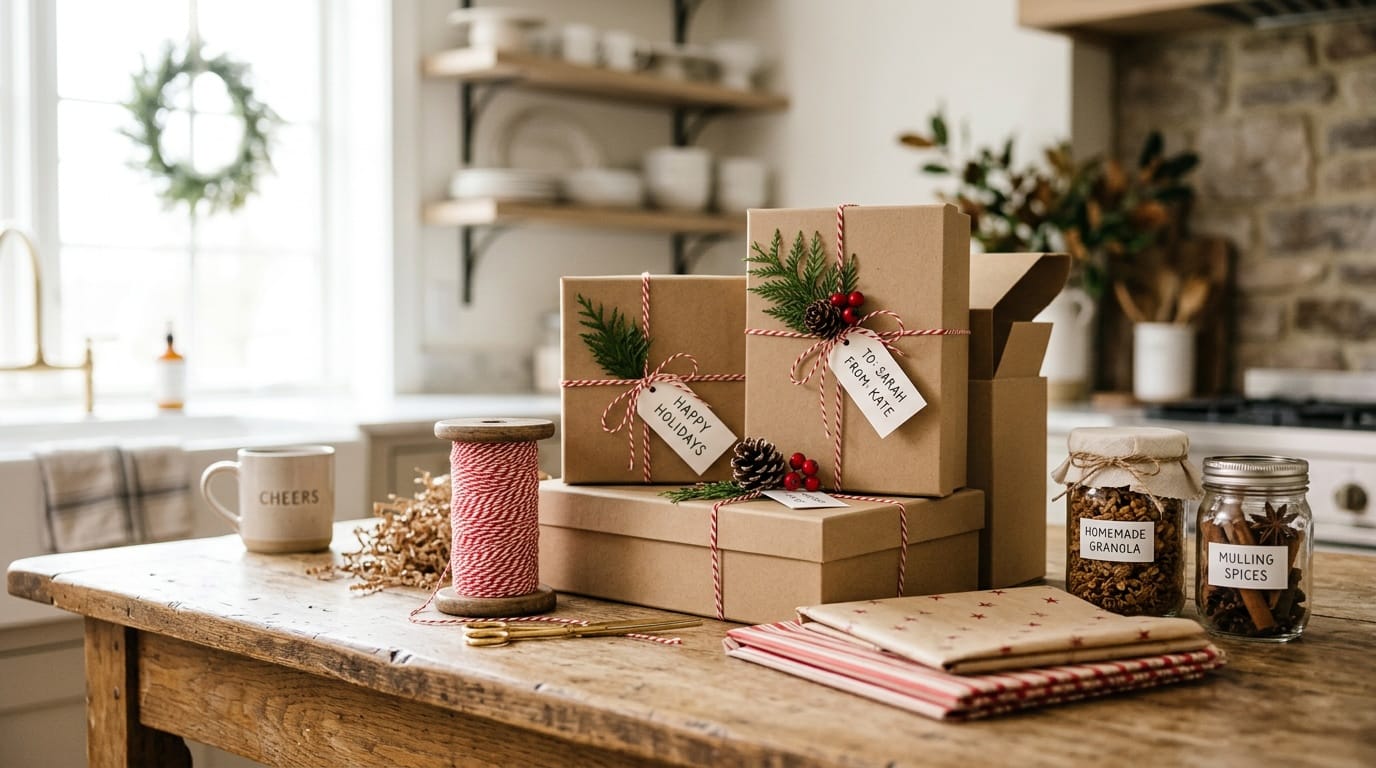
What that means practically: your gift-shaped products carry the day. Bundles, boxes, anything with a ribbon, anything that solves "I need something for my kid's teacher." A three-jar sampler at twenty-two dollars outperforms three single jars at seven, every time, because you are not selling jam — you are selling a finished gift the shopper does not have to assemble. We walked through building those in how to build a cottage food gift box that actually sells.
Book these now. Holiday event applications are being reviewed right now, in September, and the good ones fill by early October.
Turn winter into your preorder season
Here is the shift that changes winter from a scramble into something manageable: stop baking on speculation and start baking against orders.
A weekly or biweekly preorder round works beautifully in cold months. You post what is available on Monday, orders close Wednesday night, you bake Thursday and Friday, and people pick up at one place at one time on Saturday. No booth fee, no tent in the sleet, no unsold inventory, and you know your exact production number before you buy a single pound of butter.
Pickup can be your porch, a coffee shop that likes you, a coworking lobby, or the parking lot of the church that hosts the winter market. Add a small delivery radius if you want — we mapped out the logistics in setting up local pickup and delivery for cottage food orders.
The preorder model also fixes the worst part of winter cash flow, which is that you spend money on ingredients weeks before you see any of it come back. When people order first, they pay first.
Winter is when the product line gets built
Every product you sell in July was invented some other time of year. Winter is that other time of year.
Use the slow weeks deliberately: test the two or three recipes you have been meaning to try, fix the packaging that has been annoying you since June, redo the photos of your top sellers with actual daylight, write the product descriptions you have been faking, and finally sit down with your numbers to find out which product is quietly losing you money. Shelf-stable items — granola, cocoa mixes, spice blends, cookies, brittle, flavored honey — are the natural winter additions because they ship and they keep, and they do not depend on a farmer having anything ripe.
Give yourself an actual list and actual weeks, or February will evaporate. It always does.
Keep a shop open even when nothing is open
The thread running through all of it: your customers need one place that stays open when your booth does not. A shop link works at eleven at night in December when someone remembers they need a hostess gift. A market stall does not.
That is the difference between a business with a season and a business with a slow month.
Butter & Sage Market
Your booth closes. Your shop does not have to.
Butter & Sage Market gives you a shop page, local search so your neighbors actually find you, and a place to take preorders all winter — while your competitors wait for May. We handle the tech so you can stay in the kitchen.
Fresh. Local. Sustainable.
Start with one
You do not need all four. Pick the one that fits the winter you actually want: a winter market if you like the rhythm of a booth, holiday pop-ups if you want concentrated high-dollar days, preorders if you want to bake to a number, or a build season if you are tired and the honest answer is that you need to rest and reset.
Any of those beats waiting until May and hoping you remember how. What is your winter plan this year? Tell us — and if you have a winter market you love, name it, so the vendor reading this in your county can find it too.



0 Comments