

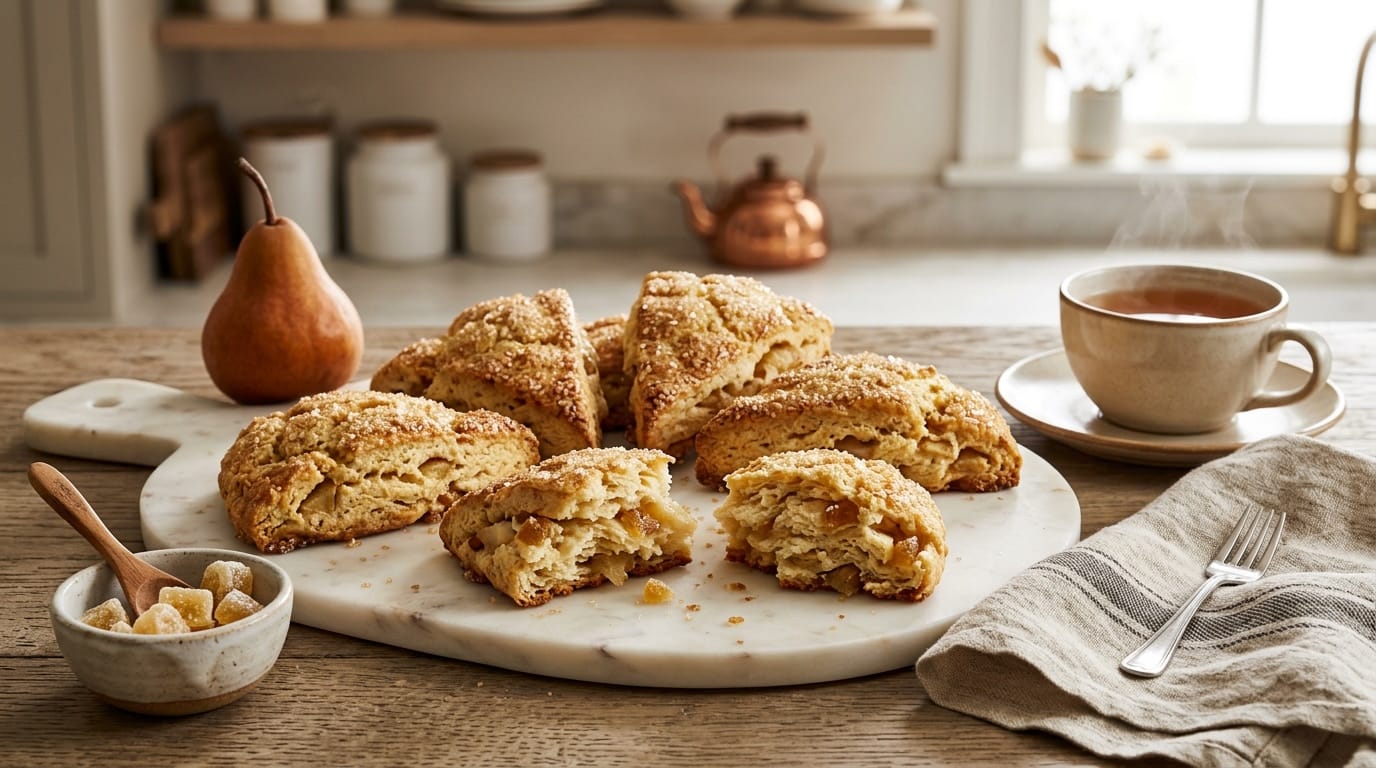
There is a moment at every fall market when the pumpkin everything starts to blur together, and a tray of something different stops people mid-stride. Pear and ginger scones do exactly that. They look like a bakery case, smell like the holidays, and taste like nothing else on the table.
They are also one of the friendliest bakes there is, whether you are making a batch for a slow Saturday breakfast or a few dozen for your booth. Here is why they work, how to get the texture right, and what to think about before you sell them.
Why pears, and which ones to buy
Pears are one of the quiet stars of the late-fall market, and they behave differently from almost every other fruit: they ripen best off the tree. That means the firm pears on the orchard table are not underripe by mistake. They are meant to finish on your counter.
For baking, Bosc is the best pick. University of Arkansas Extension calls it the best choice because it holds its shape when baked, while Bartletts tend to fall apart and are better saved for pear butter. To check ripeness, press gently near the neck by the stem. A slight give means ready.
For scones, you actually want firm-ripe rather than soft. A very juicy pear releases water into the dough and turns it gummy; a firm one stays in tender little pockets. If you are buying for the week, take a mix and bake with the firmest. The rest will be perfect for eating out of hand by Thursday. And if you are wondering why the orchard pears taste so much better than the supermarket ones, here is the short answer.
The secret to tender pear and ginger scones
Scones are a cousin of pie crust, and the same rule applies: cold butter, light hands. Little pieces of butter scattered through the dough melt in the oven and release steam, which pushes the layers apart and gives you that flaky, tender crumb. If the butter softens before baking, or the dough gets kneaded like bread, you get something closer to a biscuit-shaped brick.
Fresh fruit adds one more wrinkle. Pat the diced pear dry and toss it through the flour before any liquid goes in, so each piece gets a light coat. Then add the cream gradually and stop the moment the dough holds together. A slightly shaggy dough with a few dry bits is exactly right.

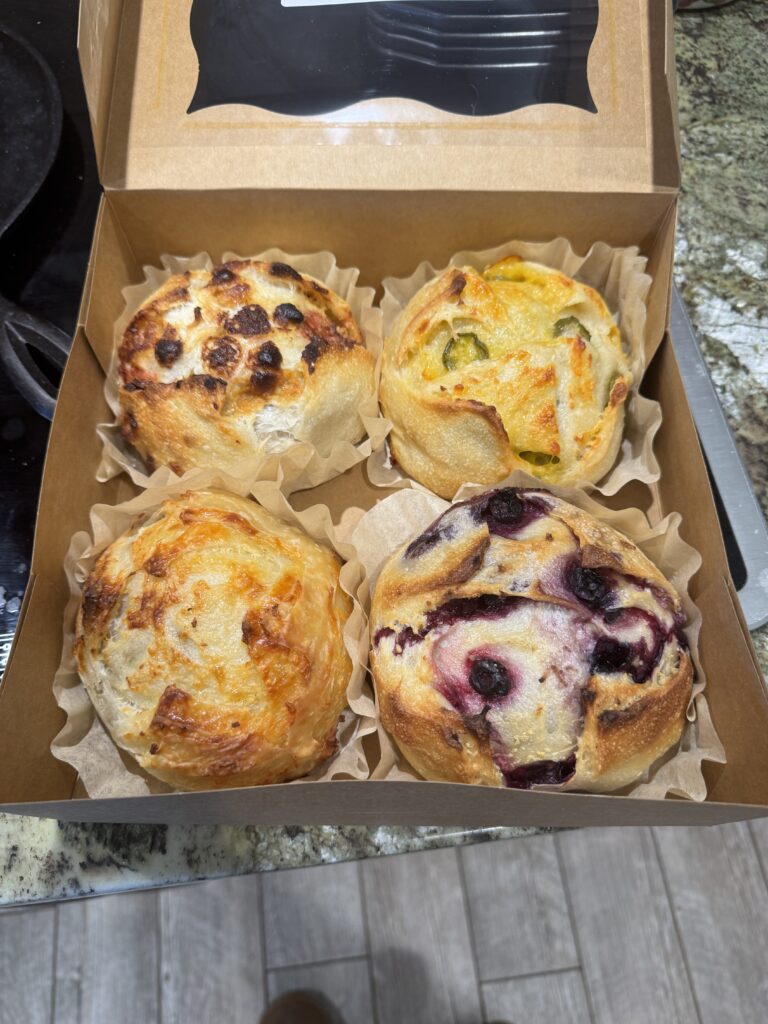
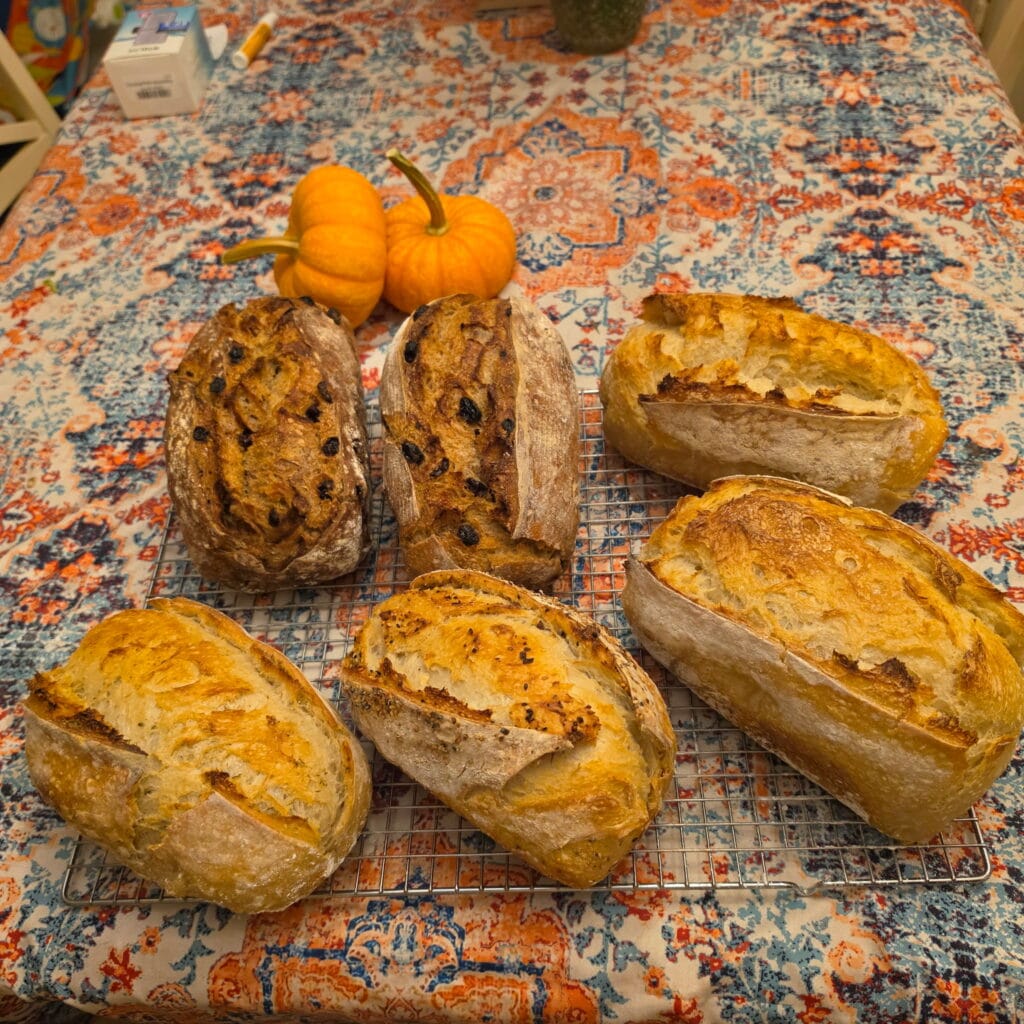

Cold butter, a light hand and fruit that is firm rather than soft. That is the whole secret.Butter & Sage Market
The ginger goes in twice. Ground ginger in the flour gives a warm background hum, and chopped crystallized ginger gives chewy, spicy-sweet bursts. Together they make the pear taste more like itself.
Can you sell pear and ginger scones?
In many states, plain baked goods like scones are the backbone of what cottage food laws allow, because they do not need refrigeration. But the details (registration, sales caps, where you can sell) change from state to state, so check your state’s cottage food rules before you list them.
Every state that allows them will want a proper label, and scones carry three common allergens: wheat, milk and egg. Our labeling guide walks through what typically goes on one, and the free Cottage Food Label Maker builds it for you. Butter, cream and good pears add up quickly, so run the recipe through the free Recipe Pricing Calculator before you settle on a price.
One honest note: scones are at their best the day they are baked. That is a feature at a market, not a flaw. Shoppers can tell, and “baked this morning” sells.
Make it yours
Apple and cinnamon. Swap the pear for a firm baking apple and the ginger for cinnamon and a little nutmeg. Same method, completely different mood.
Pear and cardamom. Replace the ground ginger with cardamom and finish with a thin vanilla glaze once the scones have cooled. It tastes like a Scandinavian bakery.
Pear and dark chocolate. Keep the ground ginger, swap the crystallized ginger for chopped dark chocolate. Kids who claim not to like ginger will not notice it.
Heartier. Use whole wheat pastry flour for part of the flour. It adds a nutty depth that suits pears, and the scones stay tender.
If you bake a batch, tag @butterandsagemarket so we can see them, and tell us which orchard grew the pears. Prefer to let someone else do the baking this week? Find a local baker near you.
Pear and Ginger Scones
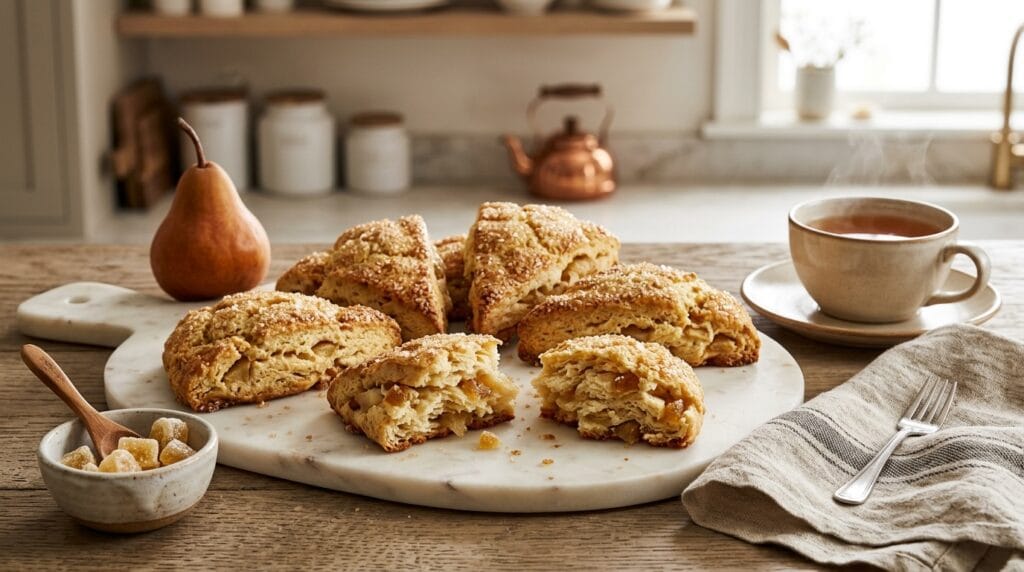
Tender, flaky cream scones studded with fresh Bosc pear and chewy crystallized ginger, finished with a crunchy sugar top.
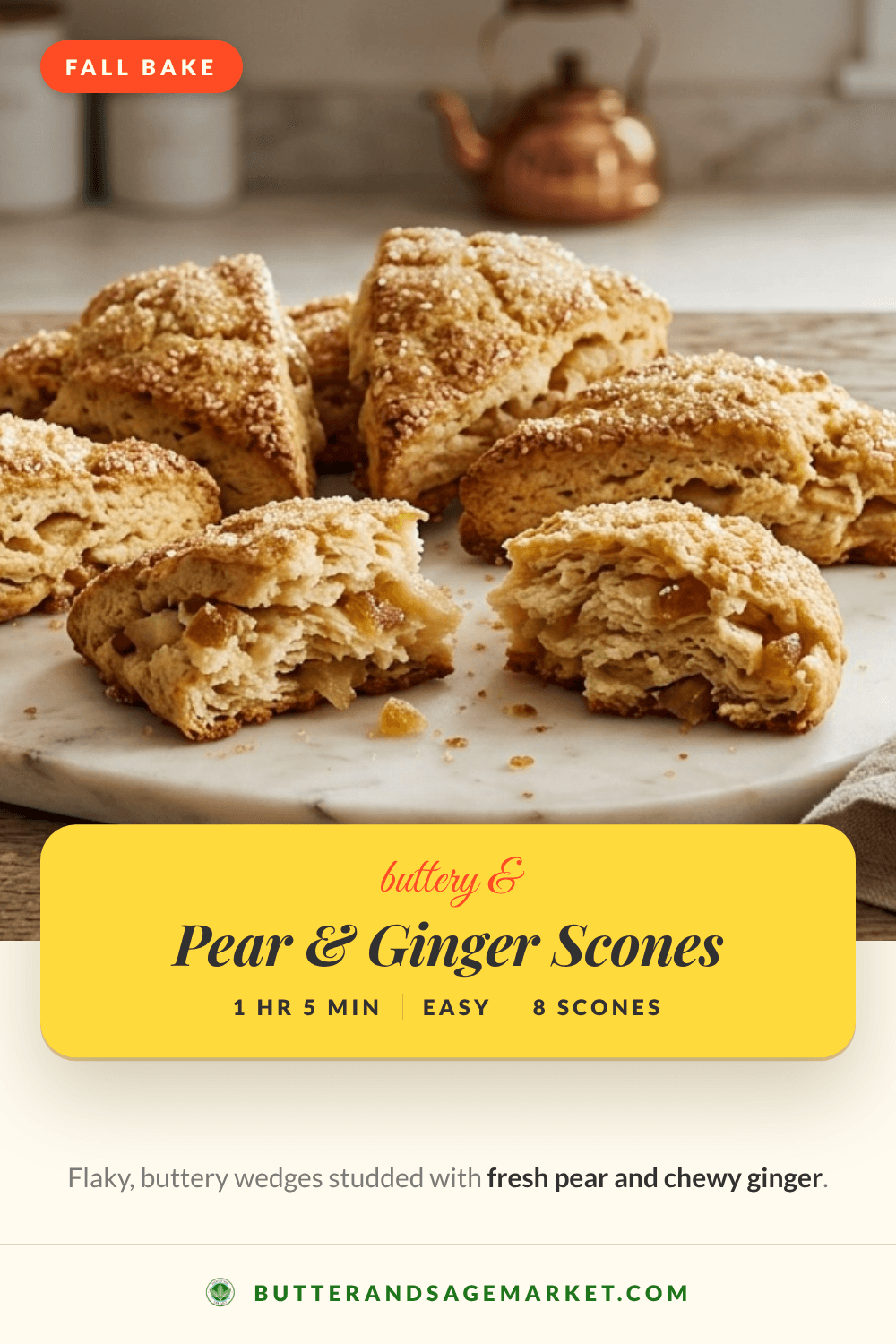
Ingredients
Instructions
- Line a baking sheet with parchment. Peel the pear if you like (the skin is fine left on), core it and cut it into 1/2-inch dice. Spread the pieces on a paper towel and pat them dry.
- In a large bowl, whisk the flour, sugar, baking powder, ground ginger and salt. Add the cold butter and work it in with a pastry blender or your fingertips until the largest pieces are the size of peas, with some flattened flakes.
- Add the diced pear and crystallized ginger and toss until every piece is coated in flour.
- Whisk the 1/2 cup cream, egg and vanilla together. Pour about three-quarters of it over the flour mixture and stir with a fork until it starts to clump. Add the rest a little at a time, only as much as you need for the dough to hold together when pressed. A few dry bits are fine.
- Turn the dough onto a lightly floured surface and gently pat it into a 7-inch round about 1 inch thick. Cut into 8 wedges and set them 2 inches apart on the baking sheet.
- Chill the scones in the freezer for 15 minutes while the oven heats to 400°F. (To bake later, freeze them solid on the sheet, then transfer to a freezer bag.)
- Brush the tops with the remaining 1 tbsp cream and sprinkle with the coarse sugar. Bake 18 to 22 minutes, until deep golden and a toothpick in the center of one comes out clean. Cool on the sheet for 10 minutes before serving.
Notes

Keep reading
More from the market
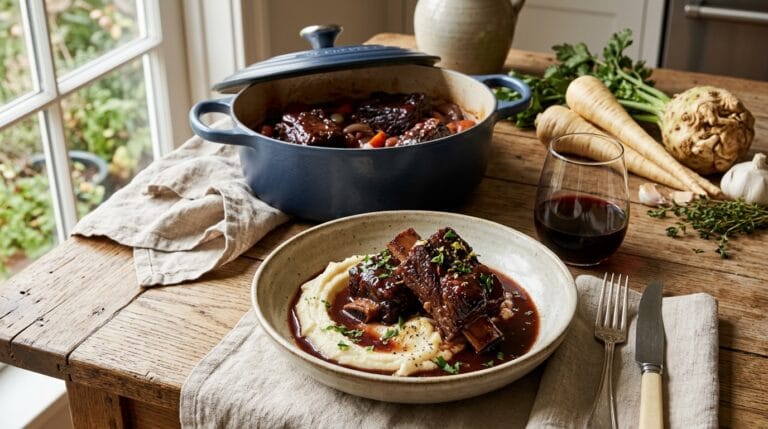
Red Wine Braised Short Ribs with Root Vegetable Mash
Red wine braised short ribs from a local farm, slow-cooked until they fall off the bone and piled over a celery root…
Read more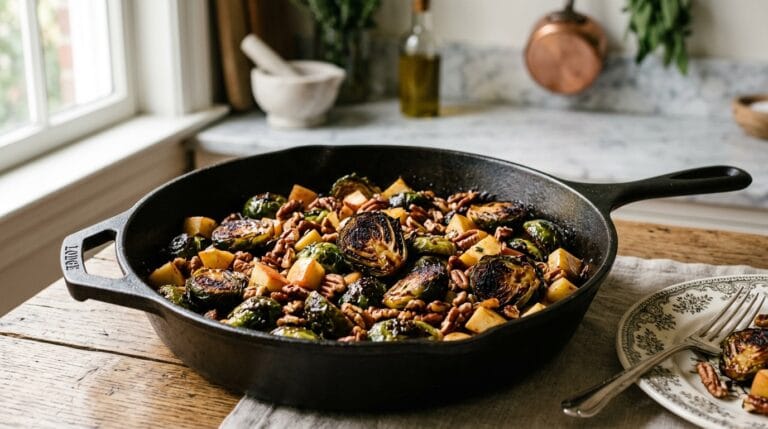
Crispy Brussels Sprouts with Apples, Pecans, and a Cider Glaze
Roasted cut-side down until the edges go dark, then tossed with apple, pecans and a maple-cider glaze. Twenty-five minutes, one pan, and…
Read more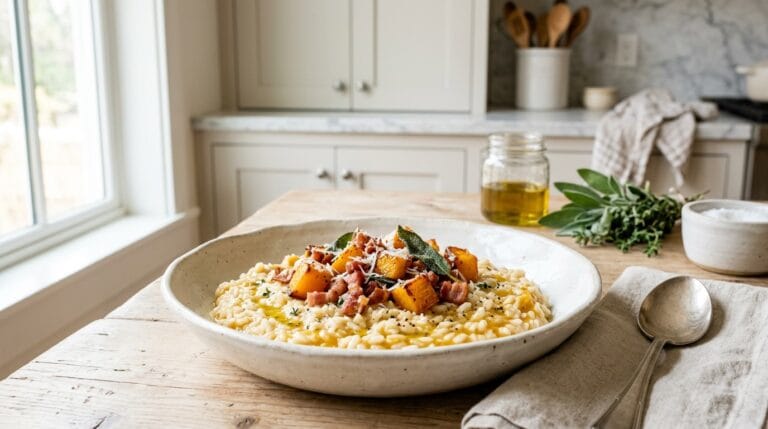
Butternut Squash Risotto with Crispy Pancetta
Half the squash melts into the rice, half stays roasted and whole. The two-texture trick that stops butternut risotto tasting like sweet…
Read more