Can You Sell Homemade Candy and Fudge? Why Fudge Is the Tricky One
Want to sell homemade fudge, toffee or brittle? Most candy is a cottage food, but fudge is where states disagree. Here is why, and what to check first.
 5 min read
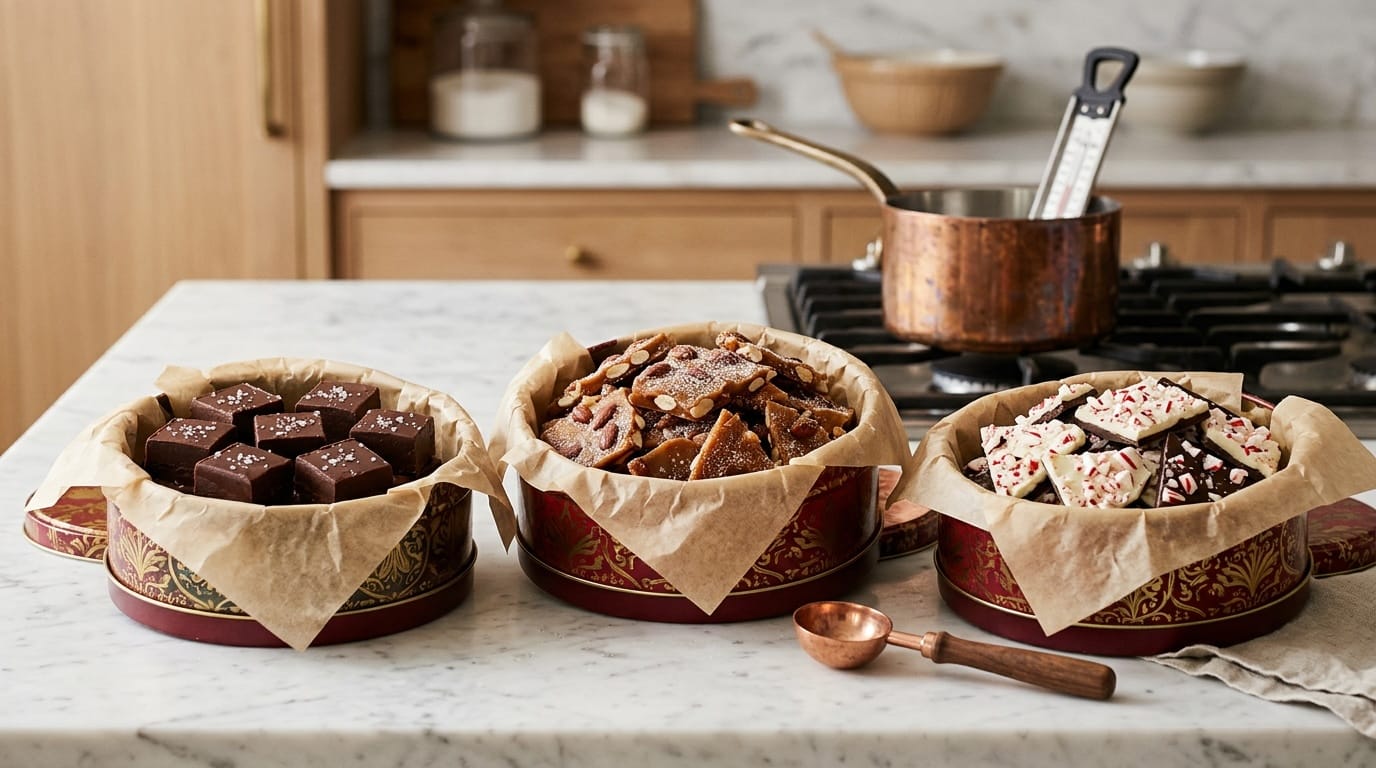
December is candy season. Peppermint bark in cellophane, tins of toffee for teachers, a plate of fudge that disappears from the break room by ten. If you make the candy everyone waits for, you have probably wondered whether you can sell homemade fudge and the rest of it to neighbors.
Most candy is one of the easiest cottage foods there is. Fudge is the exception worth reading about, because it is allowed in many states and specifically ruled out in at least one.
Why most candy is low risk
Cottage food rules cover foods that stay safe without refrigeration. Candy fits that idea well because sugar cooked to a high temperature leaves very little free water behind for bacteria. Maryland’s guidelines use the common yardstick: a water activity of 0.85 or less, or a pH of 4.6 or below, keeps a food out of the potentially hazardous category (Maryland Department of Health).
You can see the logic in the candy stages. Colorado State University’s table puts brittles at the hard crack stage, 300 to 308°F at sea level, and toffees at soft crack, 270 to 284°F. Cream candies and fudge only go to soft ball, 234 to 240°F (Colorado State University Extension). The lower the finishing temperature, the more water stays in the candy.
That is why the allowed lists read the way they do. Maryland names brittles, toffee, gummy bears and lollipops among its allowed candies. Michigan allows confections and candies as long as they are made without alcohol (Michigan Department of Agriculture and Rural Development).
Can you sell homemade fudge?
In many states, yes. But not everywhere, and this is the clearest example of why you check your own state rather than a general list. Maryland’s 2025 guidelines list homemade fudge and homemade caramels as soft candies that cannot be sold as cottage food (Maryland Department of Health). We cover the rest of that state’s rules on our Maryland cottage food law page.
The reason is the one above. Fudge and soft caramels finish at lower temperatures and are made with milk, cream and butter, so they carry more moisture than a brittle or a lollipop. Some states are comfortable with that. Some want a lab test. Some say no.
If your state is unclear, ask your agency directly and get the answer in writing. Our Cottage Food Laws by State page links each state’s guide and agency.
The candy that usually is not allowed
Even in permissive states, a few categories come up again and again on prohibited lists:
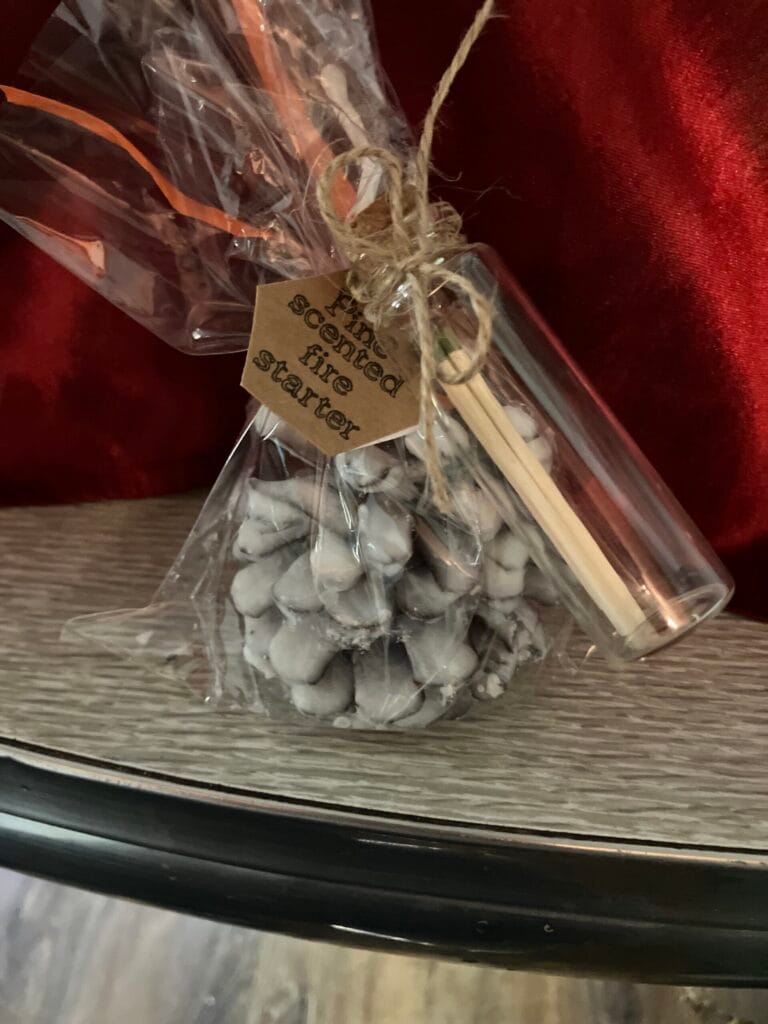

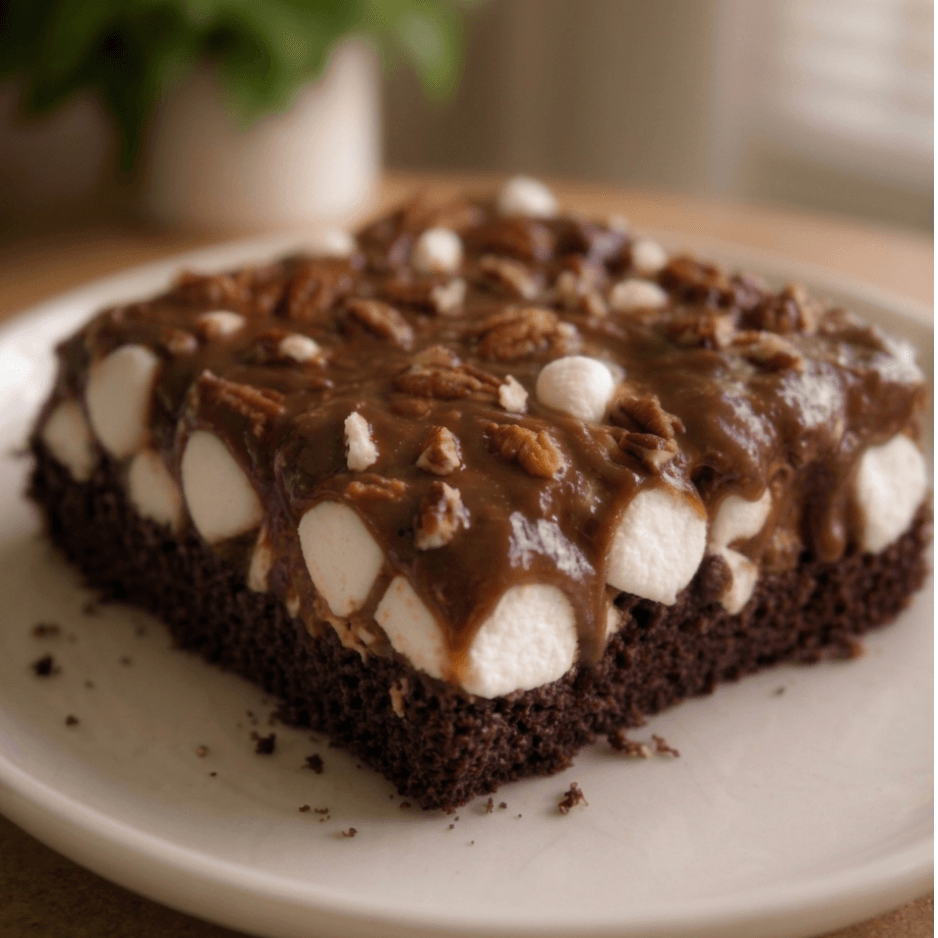
Anything with alcohol. Michigan rules out confections that contain alcohol, naming truffles and liqueur-filled chocolates as examples. Rum balls and bourbon caramels fall in the same family.
Candy on fresh fruit. Connecticut prohibits chocolate-covered fruit and candy or caramel-covered fruit (Connecticut Department of Consumer Protection). Michigan lists caramel apples as not allowed. The fruit, not the coating, is the problem: cut or whole fresh fruit brings water and spoils.
Cream-filled and fresh dairy centers. Fillings made with fresh cream or cream cheese tend to need refrigeration, which puts them outside cottage food in most places.
Chocolate-dipped pretzels, bark with dried fruit and nuts, and chocolate-covered nuts are a different story. They are dry, so they behave like other shelf-stable candy. Confirm them with your state before you list them anyway.

Sell your holiday candy in batches you can actually make
Set up a drop with an order cap, so the tins sell out before you run out of December. Starter is free, and customers choose their own pickup time.
Open your shop
Fresh. Local. Sustainable.
Make it consistent before you sell it
Selling candy is less forgiving than gifting it. A batch of fudge that sets soft is a family joke at home and a refund at the market. A few habits make the difference:
- Use a candy thermometer that reads to at least 400°F, and check it in boiling water before each session
- Above sea level, lower every finishing temperature by 2°F for each 1,000 feet, per Colorado State
- Avoid cooking sugar on very humid days, when hard candies and brittles turn sticky
- Cool fully before packaging, then seal airtight
- Write down the exact temperature and weather of every batch you sell
The 400°F thermometer and the altitude adjustment come from Colorado State University’s candy-making advice. The boiling-water check, the humidity caution and the batch notes are long-standing candy-maker habits rather than rules. The notes are the habit that saves you, because when a batch fails, you will know why.
What your candy label needs
Candy labels follow the same rules as the rest of cottage food: product name, your name and address, ingredients in order of weight, allergens, net weight and your state’s home kitchen statement. Our cottage food labeling guide explains each part.
Allergens deserve extra attention with candy. Fudge and toffee contain milk. Bark and brittle often contain peanuts or tree nuts. Many chocolates contain soy lecithin. Sesame brittle and halva contain sesame, which the FDA added as the ninth major food allergen on January 1, 2023 (FDA).
If you melt store-bought chocolate or candy melts, their ingredients belong on your label too. The free Cottage Food Label Maker lays out your ingredients, lets you mark every major allergen that applies and adds your state’s required home kitchen statement.
Start with the easiest candy on your list
If you are new to selling, start with the candy that is plainly allowed in your state and hardest to get wrong: brittle, toffee or bark. Build your regulars on those. Add fudge once you have confirmed it in writing and can make it set the same way every time.
Which candy do people ask you to make every December? We would love to hear what is on your holiday tray.

Keep reading
More from the market

How to Price CSA Shares So the Farm Actually Gets Paid
How to price CSA shares from your real costs: a worked season budget with your own pay, packaging, card fees and a…
Read more
Can You Sell Homemade Cookies? What Is Allowed, What Is Not, and Decorated Sugar Cookies
Can you sell homemade cookies? Almost everywhere, yes. Here is what makes frostings and fillings risky, how states treat royal icing, and…
Read more
How to Start a Farmers Market in Your Town: Sponsor, Site, Vendors and Budget
Here is how to start a farmers market in your town: find a sponsor, pick a site, line up vendors and write…
Read more