Can You Sell Homemade Cookies? What Is Allowed, What Is Not, and Decorated Sugar Cookies
Can you sell homemade cookies? Almost everywhere, yes. Here is what makes frostings and fillings risky, how states treat royal icing, and what the label needs.
 5 min read
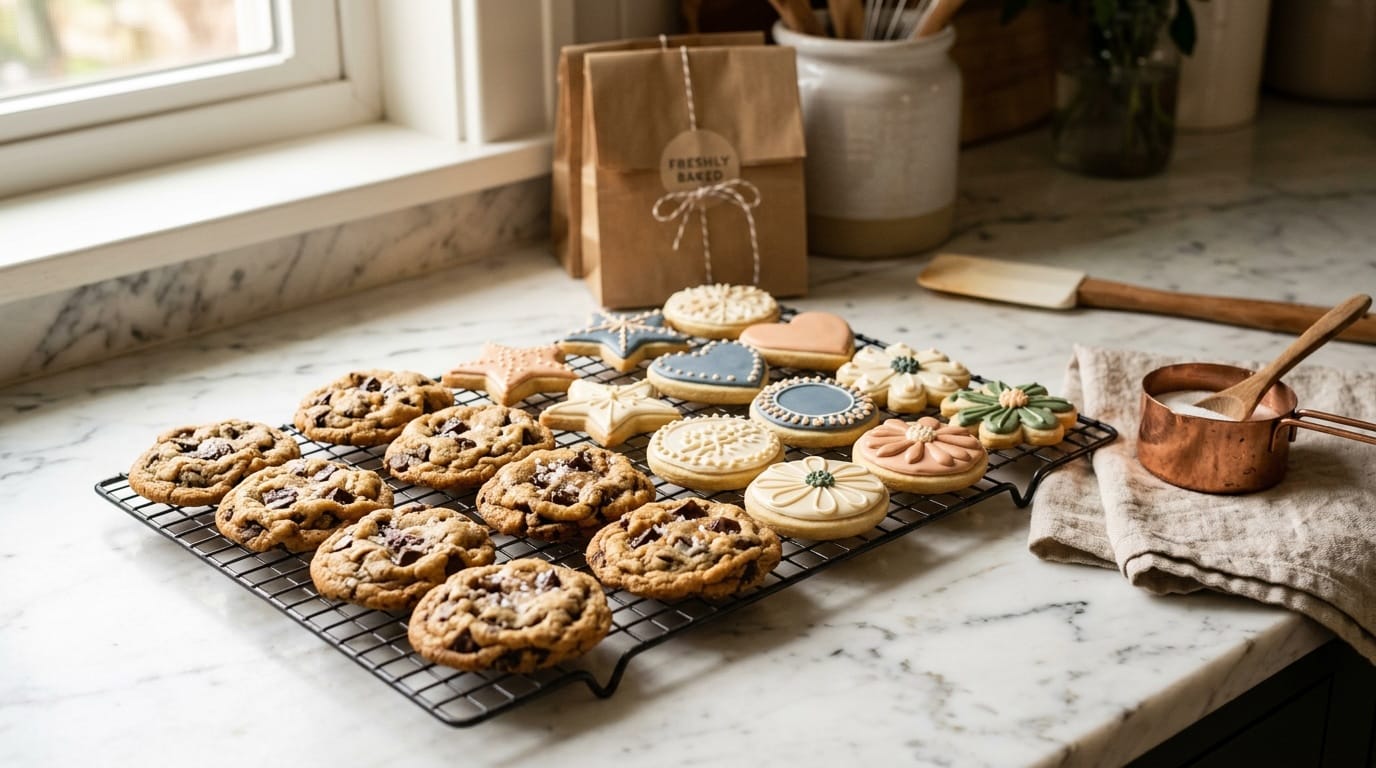
It usually starts at a cookie swap or an office party. Someone bites into your brown butter chocolate chip, closes their eyes for a second, and says the thing: “You should sell these.” Then the question arrives on the drive home. Can you sell homemade cookies from your own kitchen, legally, without renting a commercial space?
In almost every state, yes. Cookies are the classic cottage food. The catch is rarely the cookie itself. It is what goes on it, in it or between two of them, and that is where the rules start to differ.
Can you sell homemade cookies? The short answer
Cottage food laws are written for foods that stay safe on a shelf without refrigeration. Regulators describe that with two measurements: acidity (pH) and water activity, which is how much free water is available for bacteria to use. University of Minnesota Extension sums up its state’s test simply: a product qualifies if it does not need refrigeration for safety, or has a pH of 4.6 or lower, or a water activity of 0.85 or lower (UMN Extension).
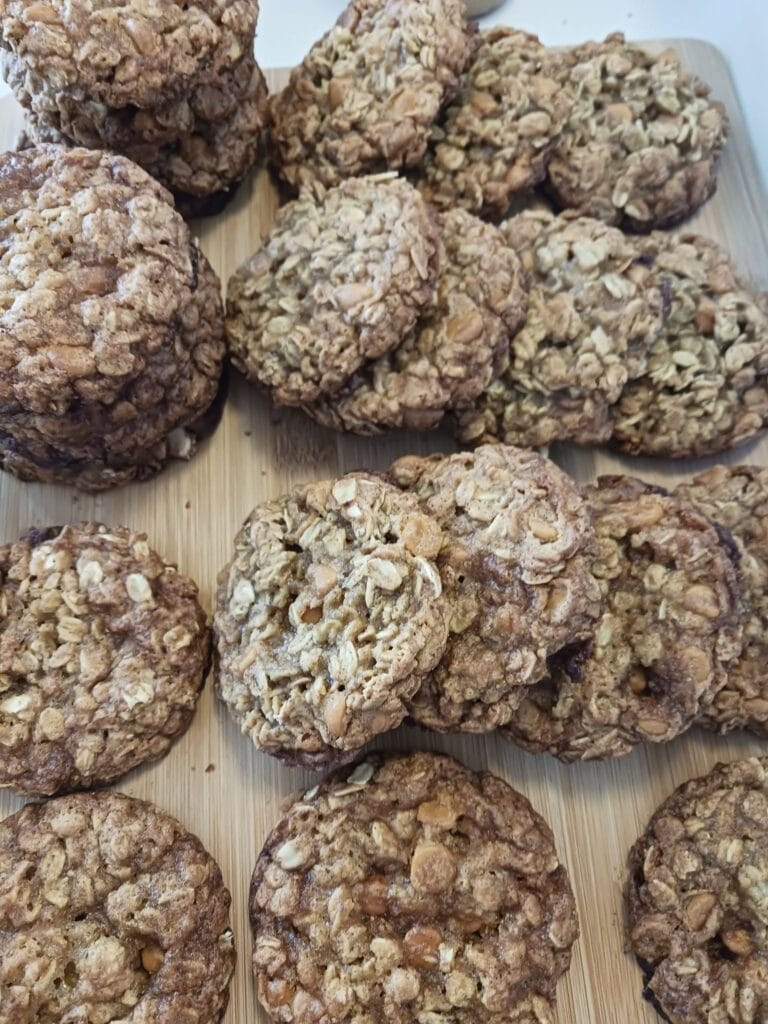
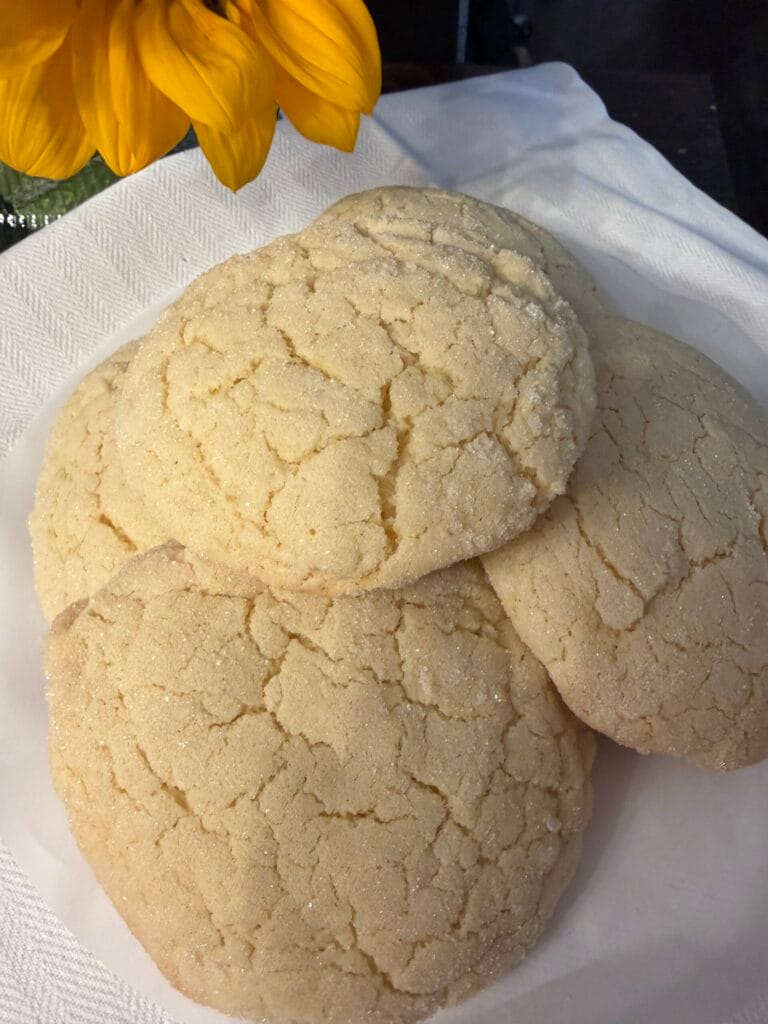
A baked cookie is dry and full of sugar, and sugar ties up water. That is why plain drop cookies, shortbread, snickerdoodles, biscotti and most bar cookies sit comfortably on allowed lists across the country. You still need to follow your own state’s registration, sales cap and labeling rules, which differ a lot.
We keep those details on our state pages rather than repeating them here, because they change. Start with Cottage Food Laws by State and find yours before you take a single order.
What turns a safe cookie into a risky one
Moisture, dairy and fresh fruit are the three things that move a cookie off the easy list. A few examples, straight from state agencies:
Cream cheese frosting. Michigan’s list says plainly: no cream cheese frostings or icings (Michigan Department of Agriculture and Rural Development). Connecticut prohibits cream cheese, buttercream and whipped cream frostings (Connecticut Department of Consumer Protection). That rules out a lot of sandwich cookies and frosted pumpkin cookies in those states.
Uncooked dairy frostings in general. Minnesota allows them only when the sugar concentration is above 65 percent and the water activity is 0.85 or lower, which usually means more powdered sugar than you would choose for flavor (UMN Extension).
Fresh fruit. Minnesota allows whole berries as a topping but treats cut, sliced or crushed fruit as potentially hazardous unless it is baked in and the finished product still passes the water activity or pH test (UMN Extension). Connecticut lists chocolate-covered fruit among its prohibited products.
Cheesecake bars, custard fillings and cookie dough. Anything that needs the fridge is usually outside cottage food. Edible cookie dough has its own problem: the FDA advises against eating raw flour, dough or batter because most flour has not been treated to kill bacteria (FDA).
Decorated sugar cookies: the icing question
This is the one people ask about most, because decorated cookies are where the money is. Royal icing made with meringue powder dries hard and is widely sold by home bakers. But it is not automatically allowed everywhere.
Michigan allows icings and frostings made entirely with shelf-stable ingredients that do not need refrigeration for safety, and allows buttercream only as a commercially prepared shelf-stable product or from two approved recipes followed exactly (MDARD). Maryland’s 2025 guidelines go further and list buttercream, cream cheese and royal icings among the icings that are not allowed unless the product is lab tested (Maryland Department of Health).
So the same flooded snowflake cookie can be fine in one state and need a lab report in the next. If your state is strict, ask your agency whether a lab test on your icing would clear it, and exactly what kind of test they accept, before you pay for one.
On the practical side, sugar cookies take patience: royal icing needs hours to set before you can bag a cookie without denting it. Build that drying time into your order deadlines, not just your baking time.

Turn “you should sell these” into a real shop
Open a shop page where neighbors can order your cookies and pick a pickup time that suits them. Starter is free, and most makers are live in under 10 minutes.
Open your shop
Fresh. Local. Sustainable.
What your cookie label needs
Nearly every state wants a label with the product name, your name and address, ingredients in order of weight, allergens, net weight and a statement that it was made in a home kitchen. Our complete guide to cottage food labeling walks through each line.
For cookies, allergens are where most labels go wrong. The FDA now recognizes nine major food allergens: milk, eggs, fish, crustacean shellfish, tree nuts, peanuts, wheat, soybeans and sesame, which became the ninth on January 1, 2023 (FDA). A basic chocolate chip cookie usually carries at least four of them, and soy often hides in the chips.
Store-bought ingredients count too. Chocolate chips, sprinkles and candy melts each have their own ingredient list, and the usual practice is to show it in parentheses after the ingredient’s name. Keep the packages until the label is done, so you can copy each list exactly.
Our free Cottage Food Label Maker lays out your ingredient list, lets you mark each of the nine major allergens, sesame included, and fills in your state’s home kitchen statement. You can make and print as many labels as you like without creating an account.
- Find your state’s page and confirm cookies, and your exact frosting, are allowed
- Register or get a permit if your state requires one
- List every ingredient in weight order, including what is inside your chips and sprinkles
- Declare all nine major allergens that apply, sesame included
- Add net weight and your state’s exact home kitchen wording
- Set an order deadline that includes icing drying time
Where you can sell them
Farmers markets and direct pickup from your home are allowed almost everywhere. Online ordering with local pickup or delivery is allowed in a growing number of states. Shipping across state lines is a different matter, and the rules vary widely, so read Can You Ship Cottage Food? before you promise a cookie box to a cousin three states away.
Whatever route you choose, start with the cookie you can make perfectly on a tired Tuesday. The one that earned the “you should sell these” is usually it.
What is the cookie people ask you for most? Tell us in the comments, and whether your state lets you frost it the way you want.

Keep reading
More from the market
How to Start a Farmers Market in Your Town: Sponsor, Site, Vendors and Budget
Here is how to start a farmers market in your town: find a sponsor, pick a site, line up vendors and write…
Read more
What’s at the Farmers Market in November? Your Late-Fall Shopping Guide
November farmers markets are smaller, colder, and sweeter than you expect. Here is what is in season, what frost improves, and what…
Read more
How to Survive a Slow Market Day (And Get Something Out of It)
Four hours, eleven customers, a full table. What to do with a dead market instead of scrolling, and how to leave with…
Read more