Maryland home bakers, good news: the state has been quietly building one of the more workable cottage food frameworks in the Mid-Atlantic, and a recent cap increase to $50,000 in annual sales makes it even better. If you’ve been wondering whether you can turn your weekend jam-making into a real business — the answer is yes, and you don’t need a permit to start.
The Basics: No Permit Required for Direct Sales
For basic cottage food operations in Maryland — selling directly to consumers at farmers markets, roadside stands, or through direct delivery — no permit or registration is required. You can start selling without navigating a government application process, which puts Maryland in friendlier territory than many of its neighbors.
The annual sales cap is $50,000 in gross sales, doubled from the previous $25,000 limit. That’s a meaningful threshold for a home-based food business — enough room to grow from weekend farmers market hobbyist to a genuinely profitable operation before you need to think about a commercial kitchen license.
Want to sell to retail stores? That’s a different path: retail store sales require completion of an ANAB-accredited food safety course and a label review by your local health department. It’s not prohibitive, but it is an additional step. If you’re starting out, direct-to-consumer sales are the most accessible on-ramp.
What You Can Sell
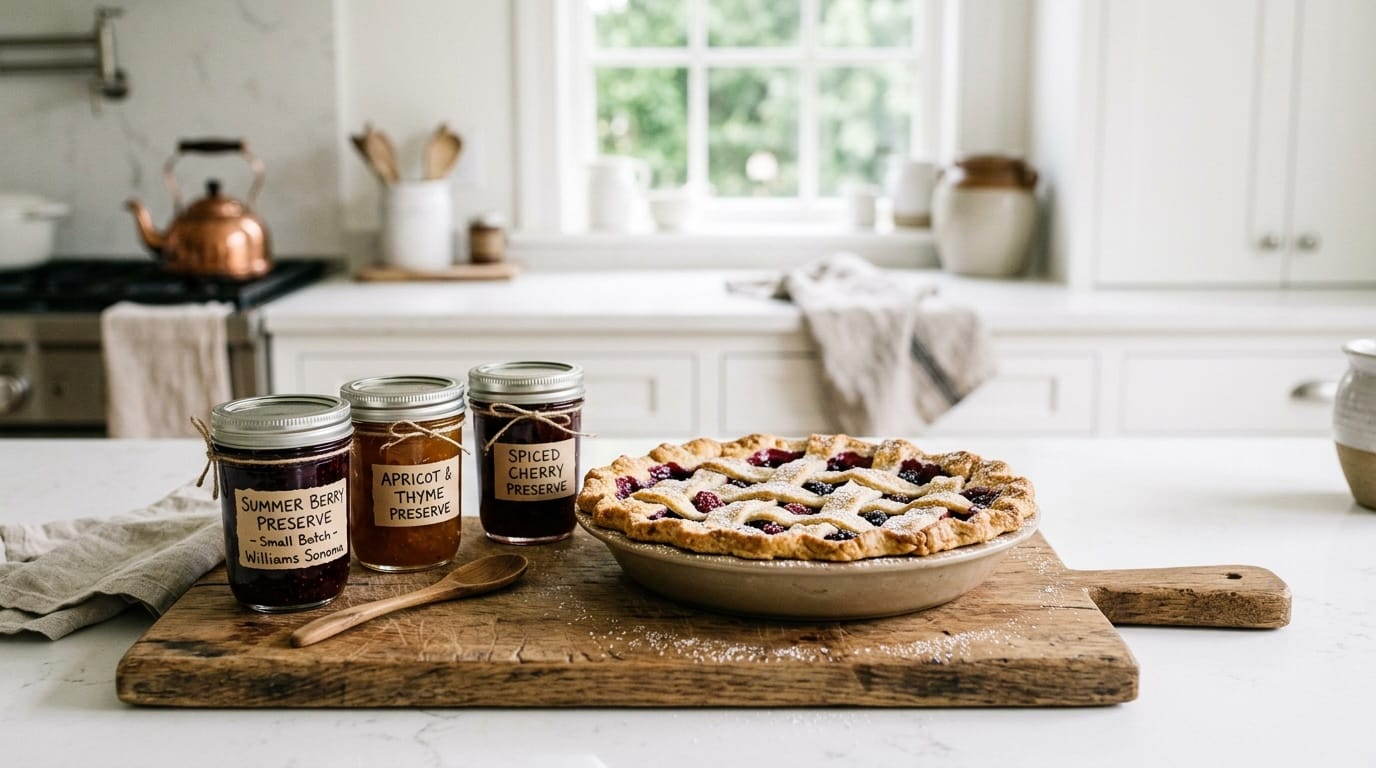
Maryland cottage food law covers non-potentially-hazardous foods — products that are safe at room temperature without refrigeration. The sweet spot for most vendors: baked goods (bread, muffins, cookies, cakes, pies with non-TCS fillings), jams, jellies, and fruit preserves, granola, candies, dried pasta, roasted nuts, and similar shelf-stable products.
Items that require refrigeration or involve temperature-controlled ingredients — cheesecakes, cream-filled pastries, fresh salsa, most fermented items — fall outside cottage food territory. When in doubt, a quick check with the Maryland Department of Health can save you a headache later.
Online Orders: Yes, With a Condition
Maryland allows online sales, but like most states, the fulfillment must be direct-to-consumer — meaning local delivery or customer pickup, not shipping via commercial carrier to addresses across the state. Taking orders through your website, Instagram, or an online marketplace and then delivering locally or having customers pick up is completely within the rules.
Interstate shipping is not permitted. If a customer in Virginia wants your Maryland jam, they’ll need to come get it at your farmers market booth — which honestly isn’t the worst outcome for building loyal local regulars.
Labeling Requirements
Every product you sell must carry a compliant label. Here’s what Maryland requires:
- Product name
- Your name and home address
- Complete ingredient list in descending order by weight
- Net weight or net volume
- Allergen statement
- The required cottage food disclaimer: “Prepared in a home kitchen not subject to inspections by the Maryland Department of Health.”
Unlike some states, Maryland does not require the disclaimer to be in all caps — but it does need to be legible and present on every item you sell. Build your label template once and reuse it across your product line.
The On-Farm Home Processor Path (If You’re a Farmer)
Maryland has a separate On-Farm Home Processing License for farmers who want to produce and sell a broader range of products (including things like pickles, dried fruit, and hot sauces) up to $40,000 annually. This path does involve a permit fee and kitchen inspection, and it’s specific to farm operations. If you’re a farmer looking to add value-added products, it’s worth exploring — but if you’re a home baker or jam-maker without a farm operation, the standard cottage food framework is your lane.
Maryland Is More Open Than You Might Think
Between no permit for basic operations, a $50K cap, and online sales with local delivery, Maryland gives cottage food vendors a real foundation to build on. The farmers markets around Baltimore, Annapolis, and the D.C. suburbs are vibrant — there’s genuine buyer demand for local, homemade food, and a cottage food license isn’t standing in your way.
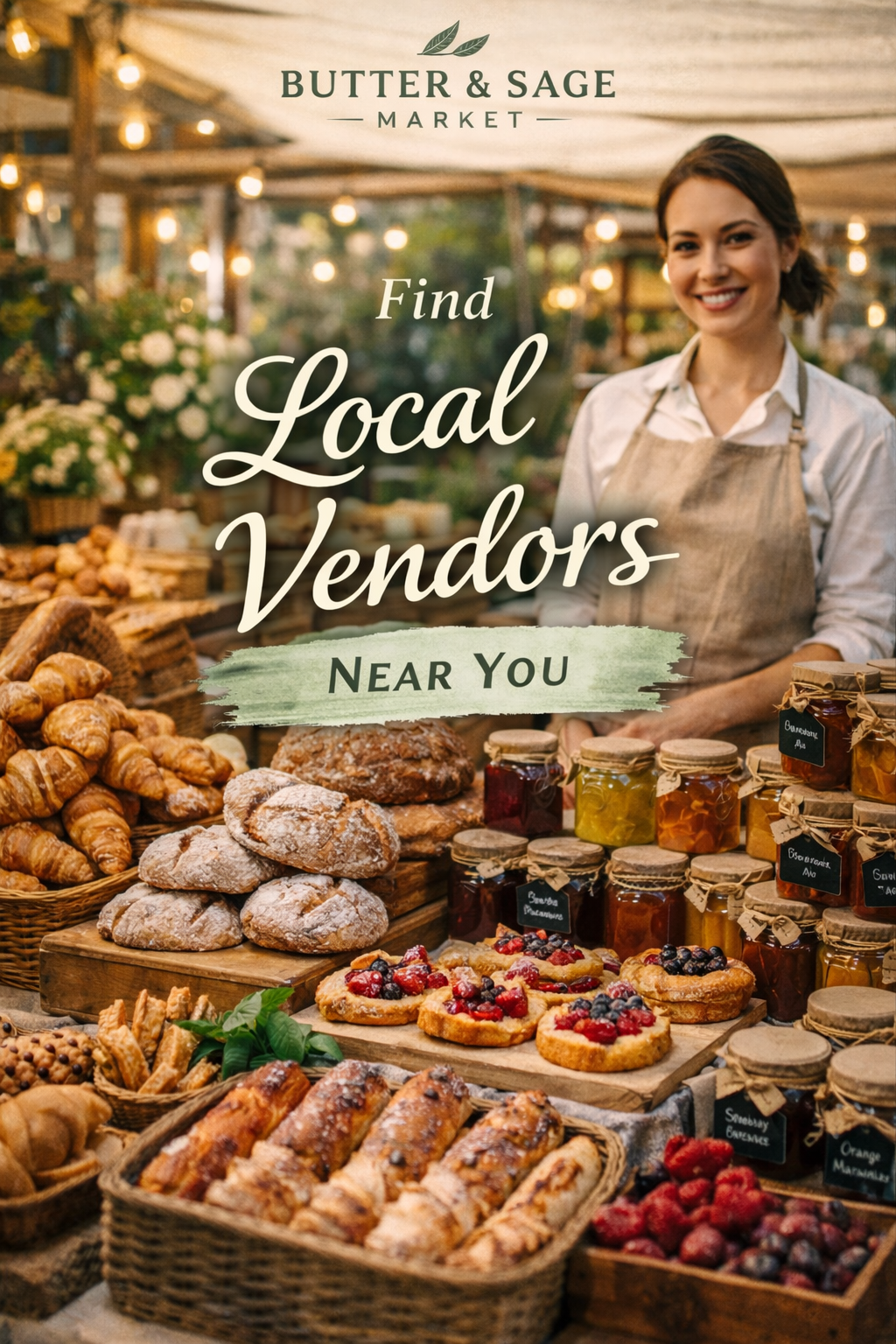
Butter & Sage Market
Maryland’s Cottage Food Community Is Growing — Join Them
Butter & Sage Market gives Maryland cottage food vendors a marketplace where local buyers can find you, plus tools built for how cottage food businesses actually work — custom order forms, a label maker covering all 50 states, and a farmers market directory that puts you on the map.
Fresh. Local. Sustainable.
For official current requirements, visit the Maryland Department of Agriculture — Home Processors page.
⚠ Legal Disclaimer: This post is for informational purposes only and is not legal advice. Cottage food laws change frequently — always check your state’s current statutes or consult a local attorney before starting your food business.

0 Comments