

If you've ever dreamed of turning your homemade baked goods, jams, or pickles into a profitable venture, understanding your state's cottage food laws is the first step. These laws allow individuals to prepare and sell certain low-risk foods from their home kitchens, often with minimal licensing requirements. However, regulations vary significantly across the United States.nationalaglawcenter.org
What Are Cottage Food Laws?
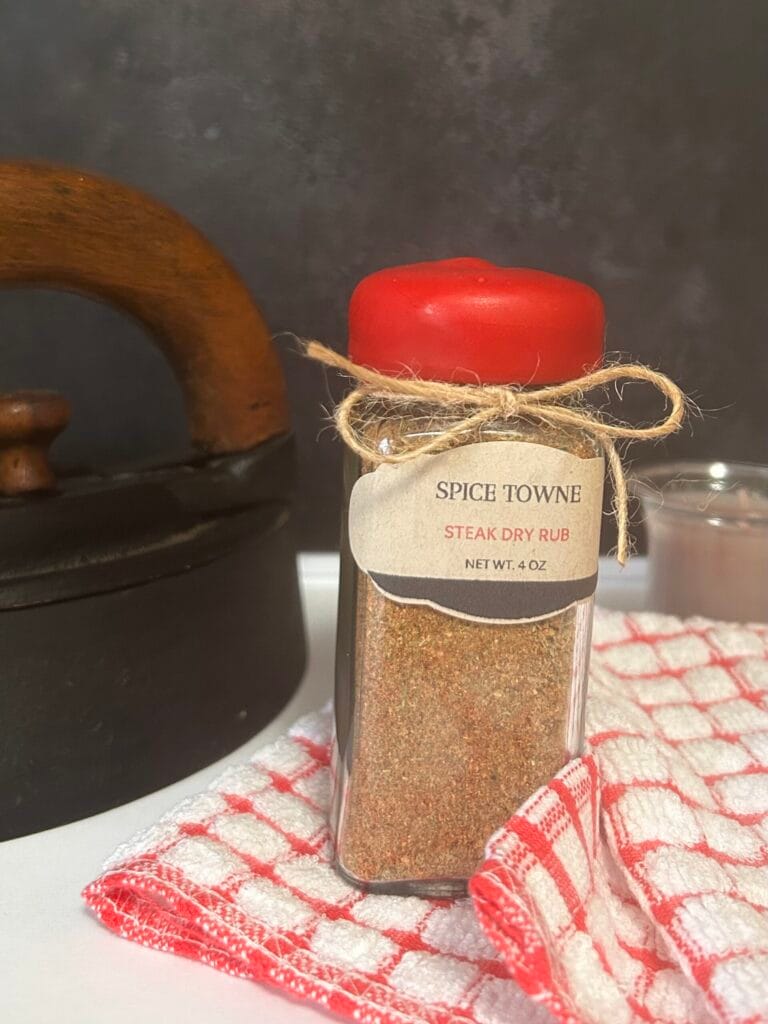
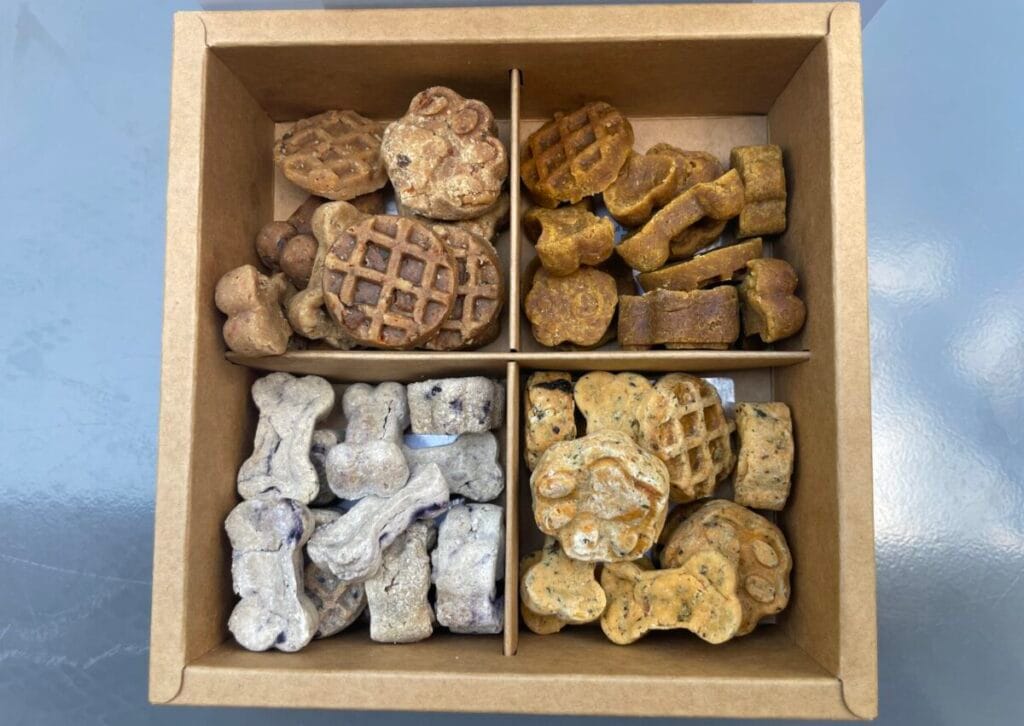
Cottage food laws are state-specific regulations that permit the production and sale of non-potentially hazardous foods—those unlikely to cause foodborne illness if not refrigerated. These typically include items like:nationalaglawcenter.org, farmtoconsumer.org
Baked goods (e.g., breads, cookies, cakes)
Jams and jellies
Dry mixes
Candies
Granola
Honey
Sources: ctinsider.com, farmtoconsumer.org, afdo.org, nationalaglawcenter.org, pickyourown.org, texascottagefoodlaw.com, forrager.com, dshs.texas.gov, farmtoconsumer.org
The primary goal is to support small-scale food entrepreneurs by reducing barriers to entry, such as the need for commercial kitchen spaces or extensive permitting processes.chron.com
State-by-State Overview
 While all 50 states have some form of cottage food law, the specifics—like allowable foods, sales venues, income limits, and licensing requirements—differ. Here's a brief overview:
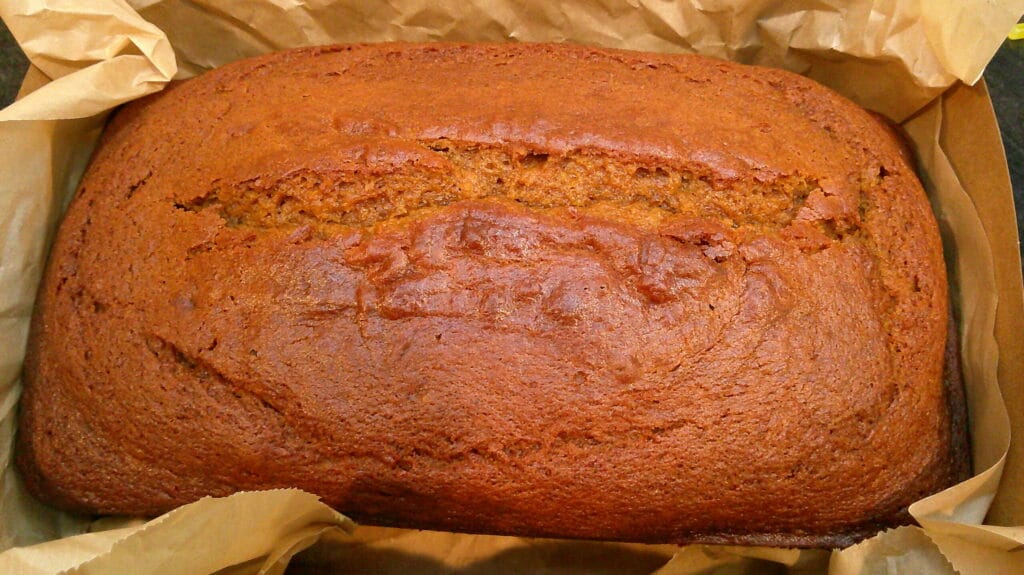
States with Permissive Laws
These states have more lenient regulations, allowing a broader range of products and sales venues:chlpi.org, investopedia.com, texascottagefoodlaw.com
California: Allows a wide variety of non-potentially hazardous foods. Requires a permit and food safety training.
Texas: As of September 1, 2025, the Texas Food Freedom Act expands permissible foods and increases the sales cap to $150,000.
Wyoming: Known for its "Food Freedom Act," it permits the sale of almost all homemade foods directly to consumers without a license.foodiv.com, 4farmtoconsumer.org, afdo.org, chron.com
States with Moderate Restrictions
These states allow cottage food operations but with more limitations:chron.com, texascottagefoodlaw.com
New York: Requires registration and limits sales to certain venues.
Florida: Permits sales of specific foods without a license but has a sales cap.
Illinois: Allows a range of products but requires registration and adherence to labeling requirements.
States with Strict Regulations
Some states have more stringent rules, limiting the scope of cottage food operations:
New Jersey: Only recently adopted cottage food laws and still has restrictive measures in place.
Hawaii: Requires a permit and limits sales to certain venues.
Common Requirements Across States
Despite variations, several commonalities exist:
Labeling: Most states mandate labels that include the producer's name, address, and a statement indicating the product was made in a home kitchen.
Sales Venues: Direct-to-consumer sales are commonly allowed, such as at farmers' markets or through home delivery.
Income Limits: Many states impose a cap on annual gross sales, ranging from $5,000 to $150,000.
Prohibited Items: Generally, foods requiring refrigeration, like dairy products, meats, and certain canned goods, are not permitted.investopedia.com, investopedia.com, farmtoconsumer.org, pickyourown.org
Resources for Detailed Information
For comprehensive, up-to-date information on your state's cottage food laws, consult the following resources:
Forrager: Offers detailed state-by-state breakdowns and comparisons.
Cottage Food Laws: Provides links to regulations and guides for each state.
National Agricultural Law Center: Compiles statutes and regulations for all states.
Pick Your Own: Features an extensive list of state-specific laws and requirements. nationalaglawcenter.org
Final Thoughts
Embarking on a cottage food business can be a rewarding endeavor, allowing you to share your culinary creations with your community. However, it's crucial to understand and comply with your state's specific regulations to ensure a successful and legal operation.
Always consult your state's health or agriculture department for the most current information, as laws and regulations can change.
Note: This article is for informational purposes only and does not constitute legal advice.

Keep reading
More from the market
How to Get Your Baked Goods to Market Without Wrecking Them
Cakes slide, frosting sweats, cookies go soft in the car. The crates, timing and packing order that get your bakes to the…
Read more
How to Store Root Vegetables and Winter Squash So They Last Until Spring
Potatoes, squash, carrots and onions will keep for months if you get a few things right. What each one wants, and the…
Read more
What to Do With Unsold Stock When the Market Season Ends
The last market of the season ends with a car full of what did not sell. Here is how to turn that…
Read more