
How to Recruit Vendors for Your Farmers Market (and Keep Them Coming Back)
How to recruit vendors for a farmers market: find the gaps in your mix, know where farmers and home bakers look, pitch honestly and make applying painless.
 5 min read
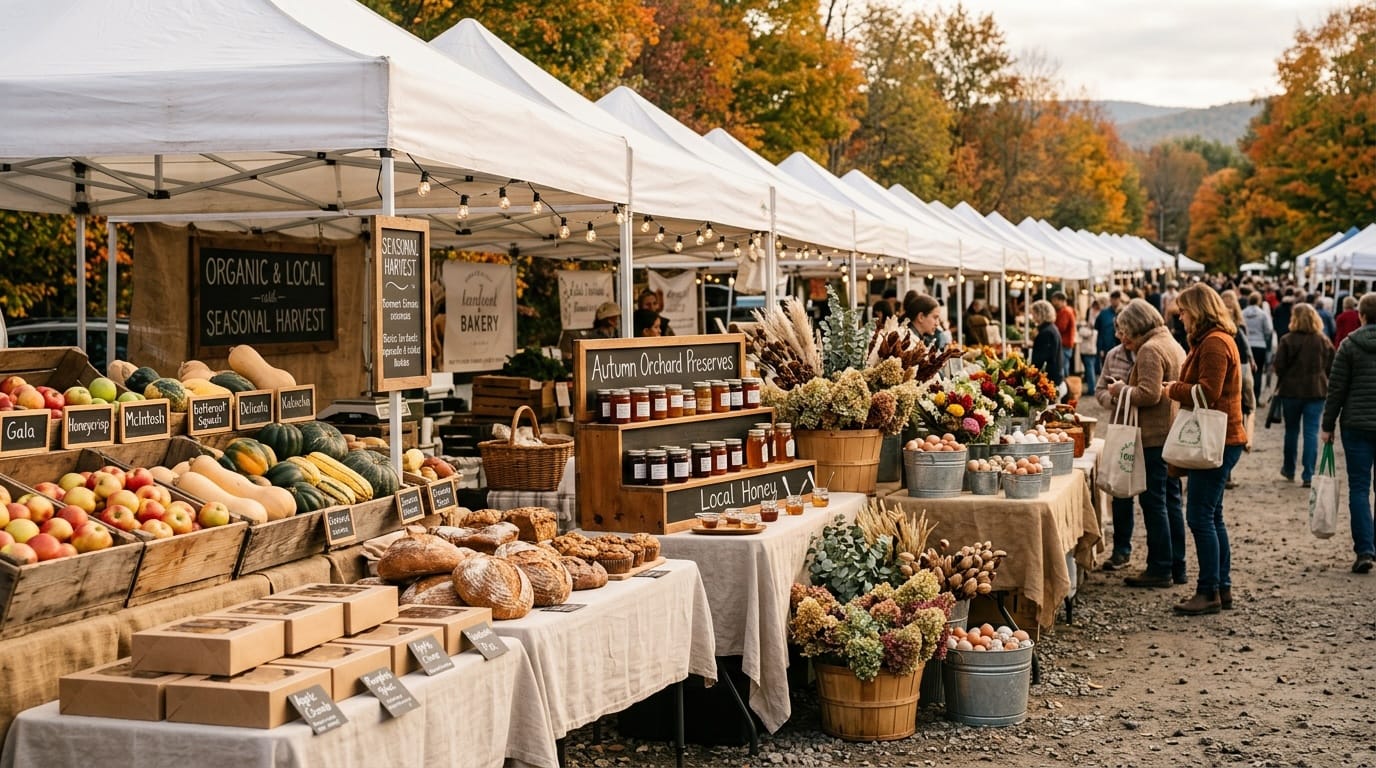
Every market manager knows the empty corner. It is the spot where the egg farmer stood until July, or the gap where a baker was supposed to be and never applied. Shoppers notice it before you do. Learning how to recruit vendors for a farmers market is really learning to see your market the way a farmer or a home baker sees it: as a day of their week that has to be worth it.
For a grower, a market day means picking the evening before and losing a day of field work. For a cottage food maker, it often means baking until midnight on Friday. They are not asking whether your market is charming. They are asking whether it pays.
Start with a product inventory, not a flyer
Before you recruit anyone, list what your market already sells and which requests shoppers keep making. The Farmers Market Coalition’s market policies guidance recommends exactly this: take a product inventory, find the gaps, then go looking for vendors who fill them. It also notes that the number of vendors should follow what the market can hold, adding farmers when demand runs ahead of supply.
A healthy mix usually has produce at the center, then the things shoppers buy every week: eggs, meat, dairy where allowed, bread. After that come the treats and the makers, such as pies, cookies, jam, honey, flowers and a little prepared food to eat on the spot. The University of Nevada, Reno Extension fact sheet Attracting Vendors and Customers to Rural Farmers Markets adds a useful idea: keep at least one consistent anchor vendor who is there the whole season, so shoppers can always count on finding their staples.
The inventory also tells you who not to recruit. A fourth jam vendor makes three existing vendors unhappy and does not bring a single new shopper.
Where to find farmers
The USDA Agricultural Marketing Service guide How to Start a Farmers Market lists the reliable places to look: county extension agents, land-grant university extension programs, farmers market associations, the state department of agriculture, and word of mouth. The Farmers Market Coalition’s state map points to state-level contacts and programs.
Then go where farmers already are. Visit other markets on their off days, stop at farm stands, pick up a CSA box, and read the bulletin board at the feed store. Introduce yourself, buy something, and leave a card.
Timing is everything. The Massachusetts Department of Agricultural Resources’ guide to running a farmers market notes that farmers plan their markets when they order seeds. Winter is recruiting season. A call in May reaches a farmer whose summer is already booked.



Where to find cottage food makers
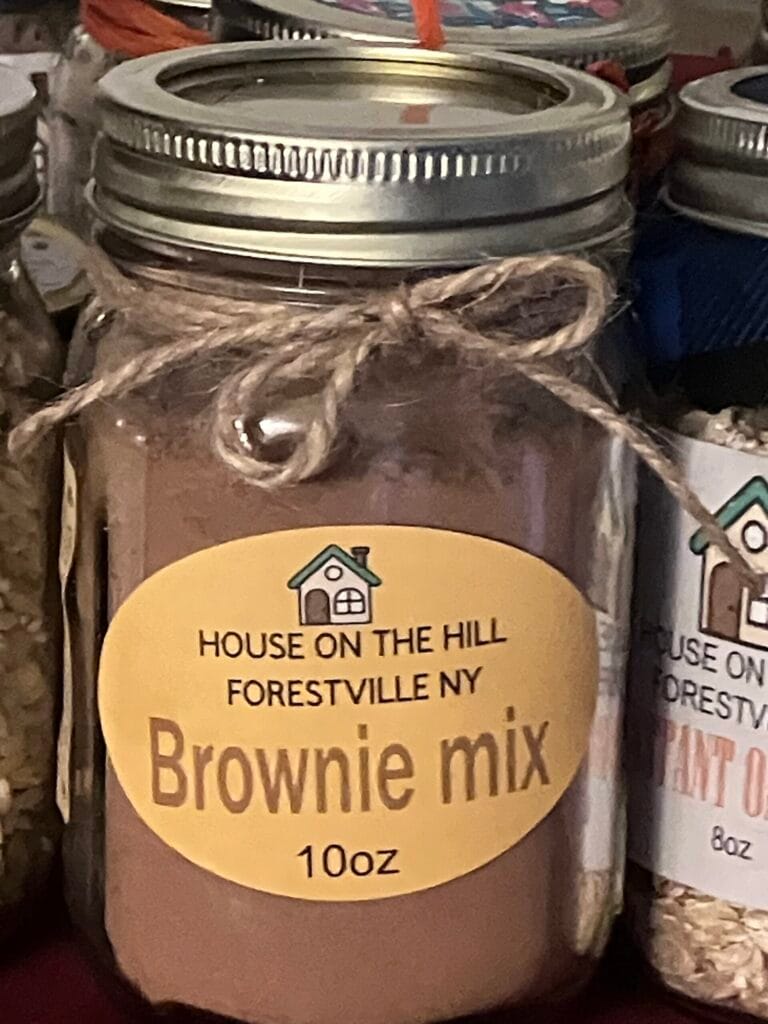
Home bakers and jam makers rarely belong to an association, so you have to look where they show their work: local Facebook groups and buy-and-sell pages, Instagram accounts with a town name in the bio, church and school bake sales, holiday craft fairs, county fair baking results, and shared commercial kitchens. Many are brand new and nervous about applying, which means a friendly personal invitation goes a long way.
Cottage food rules are set by each state, and they change. Some states require registration or a permit, some limit which foods can be sold, and most set labeling rules. Rather than learning all of it yourself, point makers to their state agency and to our cottage food law guides by state. For a first-timer, our vendor-side walkthrough on getting a cottage food business into a farmers market is a friendly thing to send along with your application.
How to recruit vendors for a farmers market with a pitch they can say yes to
The Nevada fact sheet recommends personal invitations over form letters and leading with market-specific benefits. Its example, a small rural market in Tonopah, told prospective vendors it averaged about 250 customers a week and offered reduced fees to local mom-and-pop vendors. That is the kind of answer a vendor wants. Give them real numbers, even small ones.
- Market day, hours, and setup and teardown times
- Average shoppers per market, and how you count them
- Fees, plainly stated, and what they pay for
- Who else sells, so they can see where they fit
- How you promote the market and its vendors
- Whether the market accepts SNAP/EBT or runs incentive programs
Be honest about a young market. A vendor who arrives expecting 500 shoppers and meets 80 does not come back. A vendor told “we are new, we average about 80, and here is our plan to grow” might stay for the whole season.

Spend less time chasing paperwork
Farmers Market Manager is our planned tool for the people who run markets. Founding markets get it first.
Join the founding markets
Fresh. Local. Sustainable.
Make the application easy to finish
Plenty of good vendors never apply because the application was a nine-page PDF that had to be printed, signed and mailed. Ask only for what you need to decide: contact details, products, where and how they are produced, the licenses or registrations their products require, and proof of insurance if your market requires it. Put the rules beside the application, give a clear deadline, and say when they will hear back.
Offer a way in for newcomers, too. Day stalls or a trial month let a nervous first-time baker test your market without committing to a whole season, and let you see their booth before you commit either.
Keep the vendors you worked so hard to find
Recruiting is expensive in time. Keeping vendors is cheaper, and most of it comes down to respect. The Nevada fact sheet suggests surveying vendors weekly or seasonally about their sales, their products and how the market runs. Act on what you hear, and tell them you did.
Protect their sales by managing duplication. Promote vendors by name in your newsletter and on social media, and not just the photogenic ones. Enforce rules the same way for everyone, because nothing drives off a good vendor faster than watching someone else get away with reselling. On a slow, rainy Saturday, walk the aisle and thank every vendor who came.
Vendors stay where they sell well and feel treated fairly. Recruitment is mostly retention done early.Butter & Sage Market
At the end of the season, ask who is coming back and what would make next year better. Then start the inventory again, because the gaps will have moved. Over the winter, use the farmers market directory to find nearby markets worth a visit, and meet next year’s vendors where they sell now.
Where have you found your best vendors? If a source surprised you, share it in the comments so other market managers can try it.

Keep reading
More from the market

The Farmers Market Pear Guide: Which Variety to Buy for Eating, Baking, and Poaching
Which pear to buy for eating, baking and poaching, how to ripen pears at home after the market, and the one question…
Read more
Can You Sell Homemade Candy and Fudge? Why Fudge Is the Tricky One
Want to sell homemade fudge, toffee or brittle? Most candy is a cottage food, but fudge is where states disagree. Here is…
Read more
How to Price CSA Shares So the Farm Actually Gets Paid
How to price CSA shares from your real costs: a worked season budget with your own pay, packaging, card fees and a…
Read more