Louisiana Cottage Food Law 2026: No Permit, $30K Cap — and Yes, Cream Pies Are Legal
Louisiana cottage food law lets you sell from home with no permit and no inspection. Your complete 2026 guide to the $30K cap, allowed foods, cream pies, and where you can sell.
 1 min read
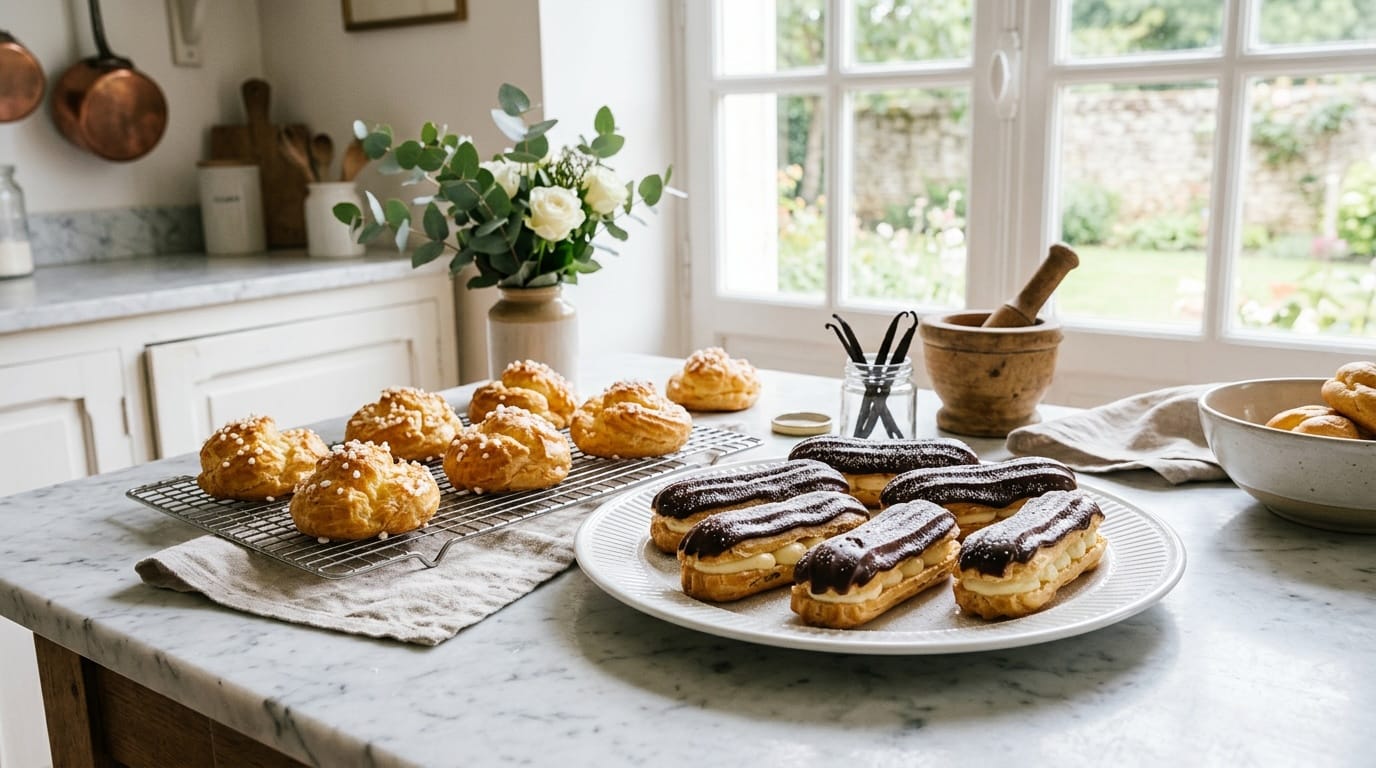
If you have been baking praline candies, king cake, or cream-filled beignets in your Louisiana kitchen and wondering whether you can legally sell them, good news. Louisiana's cottage food law is one of the more welcoming in the South, and you do not need a commercial kitchen, a state permit, or a health department inspection to get started. Here is everything you need to know before your first sale.
What Is Louisiana's Cottage Food Law?
Governed by Louisiana Revised Statute 40:4.9, the cottage food law allows home bakers and food producers to make and sell certain non-hazardous foods directly from their personal kitchen. The state keeps the barrier to entry genuinely low: no permits, no state inspections, and no mandatory food safety certification required before you open for business.
What Foods Can You Sell Under Louisiana Cottage Food Law?
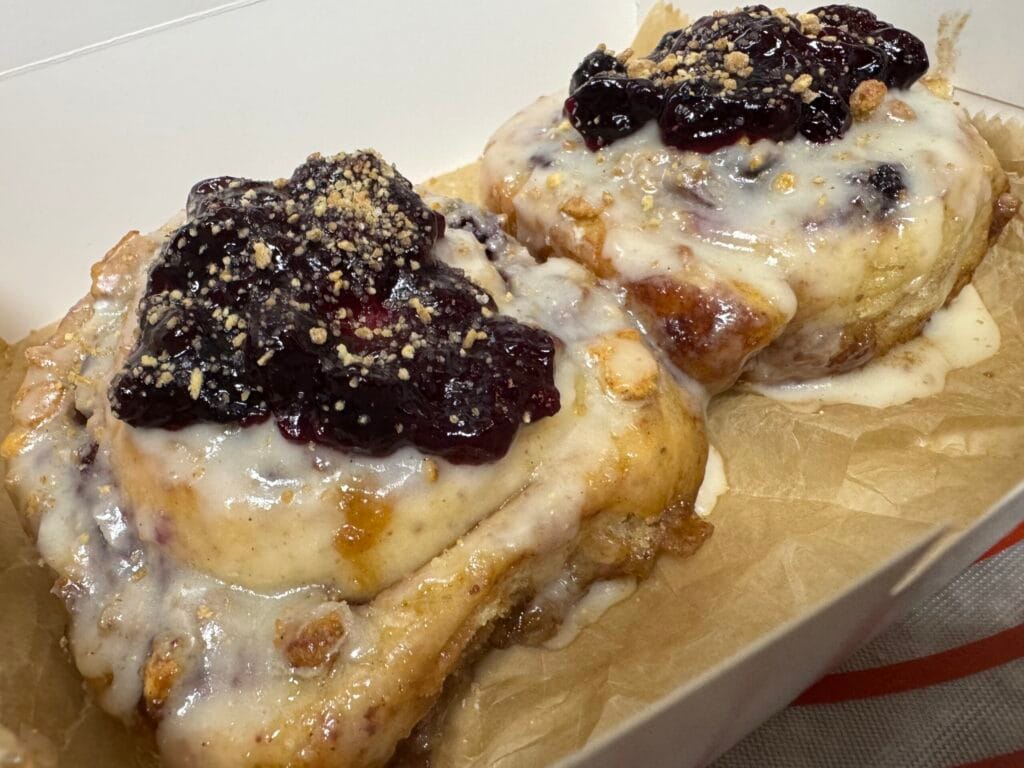
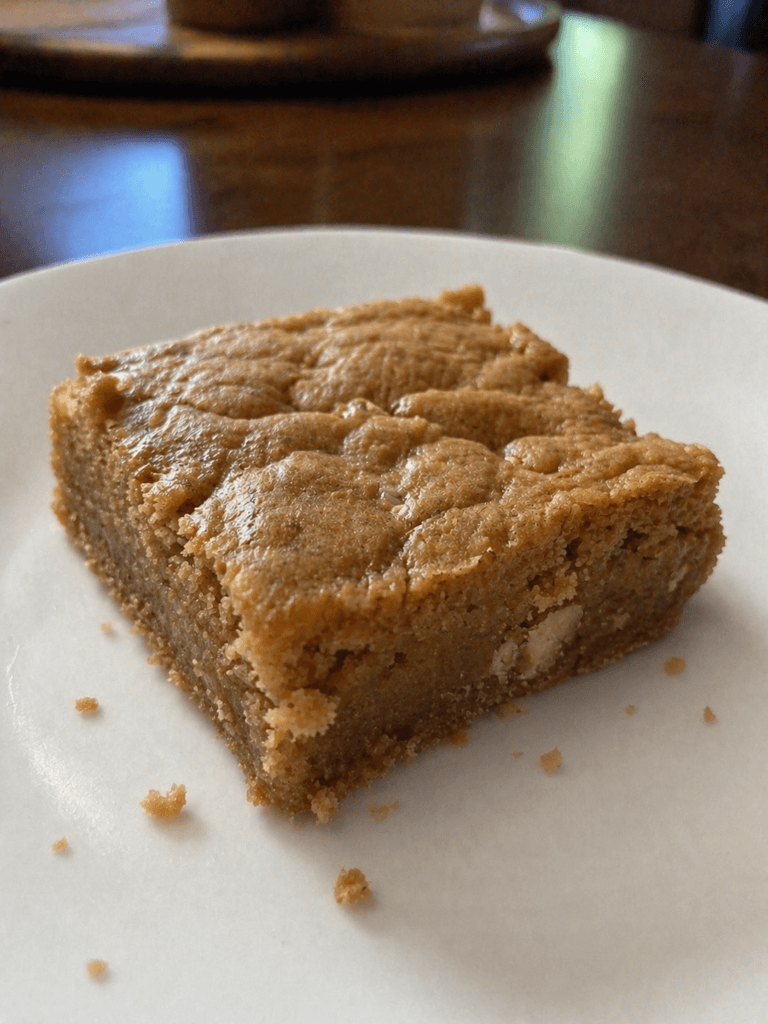
Louisiana's approved product list covers most home-based food businesses. You can sell breads, cakes, cookies, and pies. Jams, jellies, preserves, and pickles are allowed. Honey and honeycomb products, candy, dried mixes, spices, syrups, and sauces round out the list.
Here is what makes Louisiana stand out from most other states: cream-filled pastries, cream pies, and custard pies are explicitly permitted — as long as you use pasteurized milk products. If you have been making eclairs, cream horns, or banana pudding pies and wondering if they count, in Louisiana they do. Most states prohibit anything cream-filled. Louisiana trusts you to do it right.
Products you cannot sell include meat, poultry, seafood, fresh cheese, yogurt, ice cream, raw or unpasteurized dairy, low-acid canned goods, and kombucha.
The $30,000 Annual Revenue Cap
Louisiana caps gross cottage food revenue at $30,000 per year per household. For most people starting out — taking custom cake orders on weekends, selling at the Saturday farmers market, filling a few event vendor spots — that is far more runway than it sounds. If you hit the cap, you have built something real, and it is time to explore licensed commercial kitchen options that can take you further.
Where Can You Sell Louisiana Cottage Food?
The state gives you real flexibility here. Allowed sales channels include direct sales from your home, roadside stands, farmers markets, and special events. Retail is also an option for most products — your jams, candies, dried spice blends, and syrups can sit on shelves at local coffee shops, restaurants, and grocery stores. The exception: breads, cakes, cookies, and pies are limited to direct-to-consumer sales only, not retail shelving. Your pralines can live next to the register at the corner store. Your king cake stays direct-to-customer.
What Permits and Registrations Does Louisiana Require?
On the regulatory side: nothing. No permit, no inspection, no certification. Louisiana's cottage food law was designed to let people start small without bureaucratic friction. What you do need is a bit of tax paperwork — different from a health permit:
- General Sales Tax Certificate from the Louisiana Department of Revenue
- Local Sales Tax Certificate from any local taxing jurisdiction where you plan to sell
Think of these as registering that you are a legitimate business and agreeing to collect sales tax. The process is straightforward and entirely separate from food safety regulation.
Labeling Requirements for Louisiana Cottage Food
Every Louisiana cottage food product needs a label that includes the product name, a complete ingredient list in descending order by weight, allergen disclosures, net weight or volume, and this required disclosure: "This product was made in a home kitchen that is not inspected by the state or local health department." Clear, honest, and exactly what your customers already appreciate about buying from a real person.
Ready to Sell? Here Is Where to Start
Your local farmers market is the fastest path from your kitchen to your first customer. Louisiana has a strong market culture — from the Crescent City Farmers Market in New Orleans to weekend markets in Baton Rouge, Lafayette, and Shreveport. Show up with products that taste like someone cared, a label that meets the law, and a willingness to talk to your neighbors. That is the whole business model, right there at the start.
For more information, visit the Louisiana RS 40:4.9 — Cottage Food Operations page on the Louisiana Legislature's official website.

⚠ Legal Disclaimer: This post is for informational purposes only and is not legal advice. Cottage food laws change frequently — always check your state's current statutes or consult a local attorney before starting your food business.

Keep reading
More from the market
Can You Ship Cottage Food? The State-by-State Breakdown for 2026
Can you mail your cottage food products? The short answer is: it depends on your state. Here's the full 2026 breakdown of…
Read more
Georgia Cottage Food Laws 2026: No License Fee, Retail Sales Now Legal, and How to Start
Georgia eliminated its cottage food license fee and opened retail and restaurant sales in 2025 — and 2026 is your first full…
Read more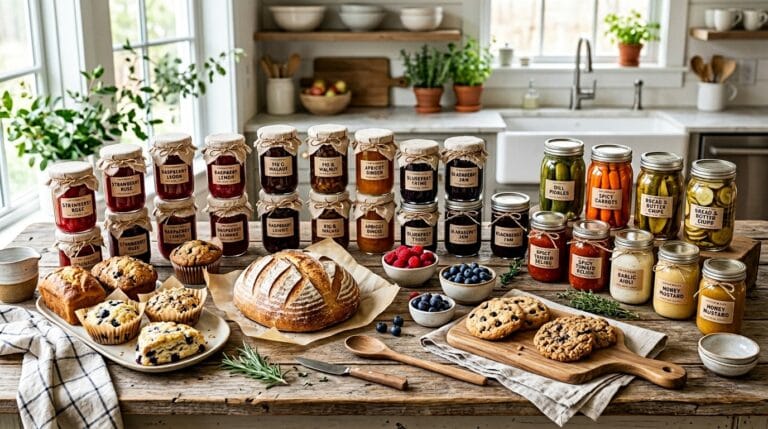
Food Freedom States 2026: Where Cottage Food Laws Go the Furthest
Nine states have passed food freedom laws that go far beyond standard cottage food rules — no permits, no sales caps, and…
Read more