Kentucky Cottage Food Law 2026: What the $60K Cap (and Recipe Approval) Actually Means
Kentucky requires recipe approval before your first sale and has a $60K annual cap — but it's a clear, workable path to a legal home-based food business. Everything home bakers need to know.
 1 min read
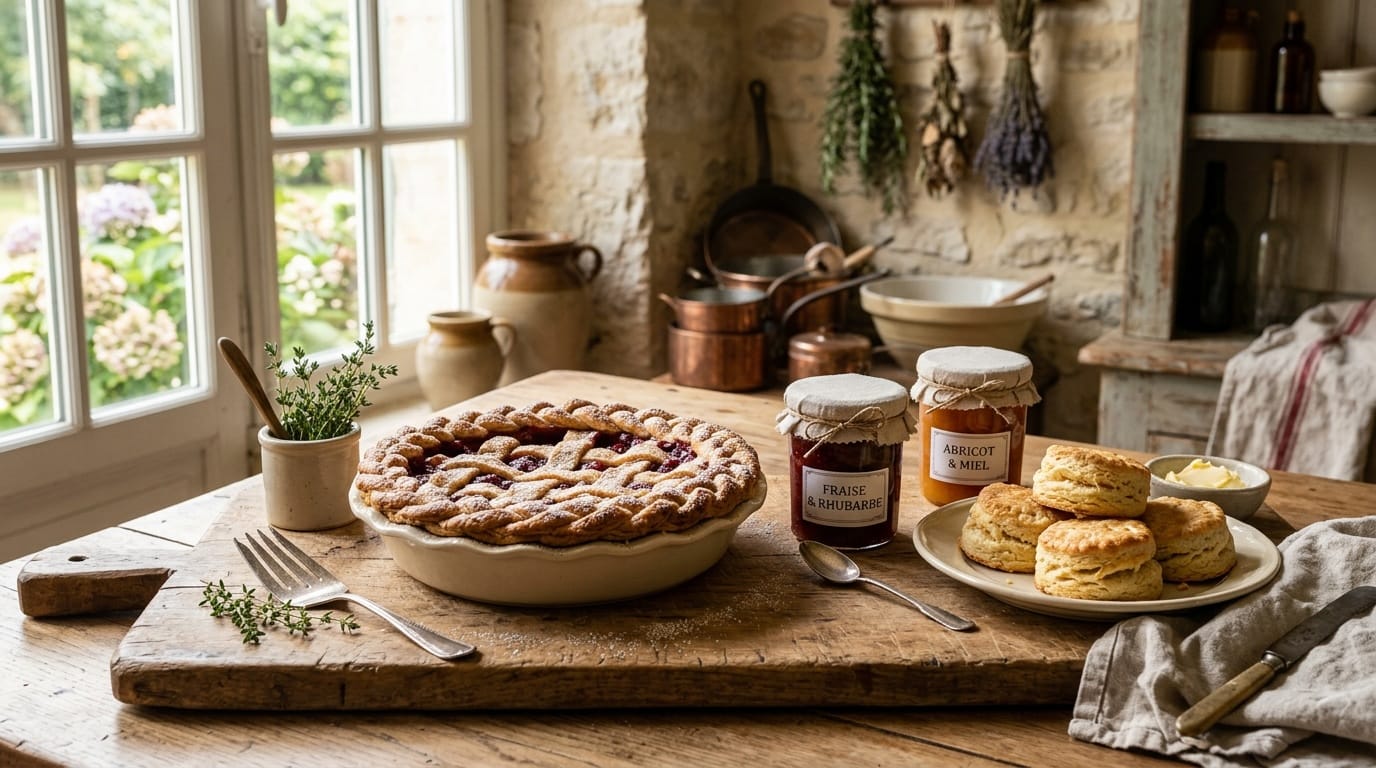
Kentucky has a clear message for home bakers: register with the state and get your specific recipes approved before your first sale. It is a more structured approach — but for home bakers willing to do the upfront work, the result is a legitimate, legal cottage food business that can earn up to $60,000 a year.
Who Oversees Kentucky's Cottage Food Program
Kentucky's cottage food law is administered by the Kentucky Department of Agriculture (KDA). Rather than a general food handler license, Kentucky runs a Home-Based Processing program you register with directly. The KDA tracks registrations, reviews recipe submissions, and sets the standards for what can legally be sold under cottage food rules.
The $60,000 Annual Sales Cap
Kentucky limits cottage food vendors to $60,000 in gross annual sales per year — more generous than some states (Colorado's $10,000 limit) and more restrictive than others like Indiana (no cap). The ceiling applies to your total cottage food revenue across all channels in a given year. If your business grows past $60,000, you'll need to move into a licensed commercial kitchen. Many successful cottage food businesses treat that threshold as the planned pivot point into a commercial space.
Recipe Approval: What It Means in Practice
This is the part that surprises most Kentucky home bakers: you must submit each recipe to the KDA for individual approval before offering it for sale. You cannot add a new item to your booth on a whim — new products require a new submission and approval cycle first. Plan your product line before you register, submit all your recipes at once, and build your launch timeline around the approval process. The KDA reviews for food safety compliance, not taste — and once approved, you have documented proof your products meet Kentucky's safety standards.
What You Can Sell
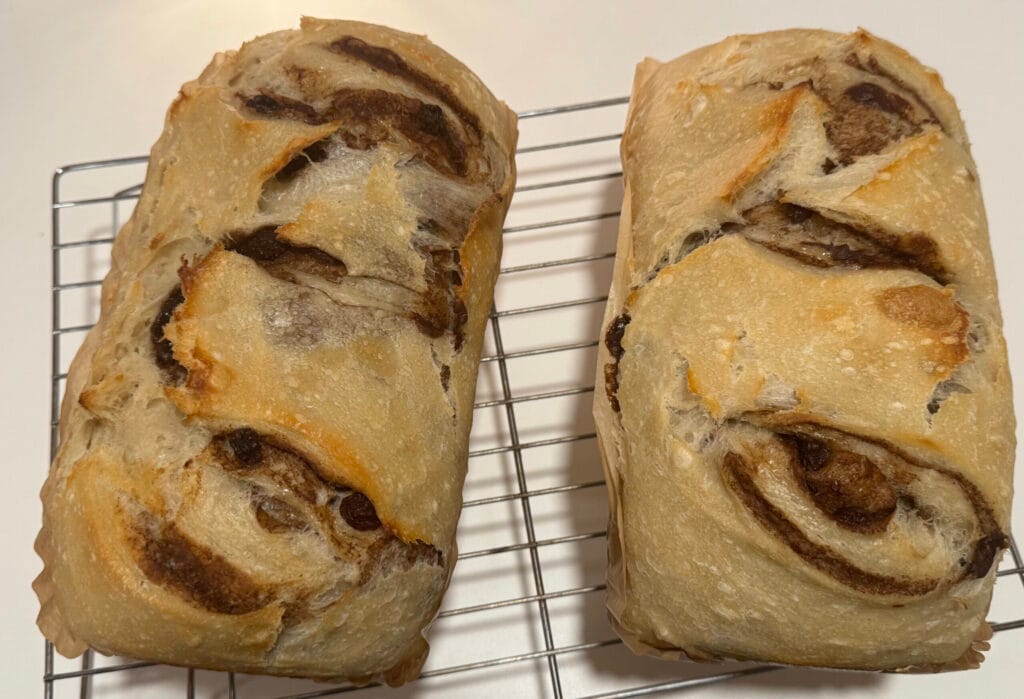
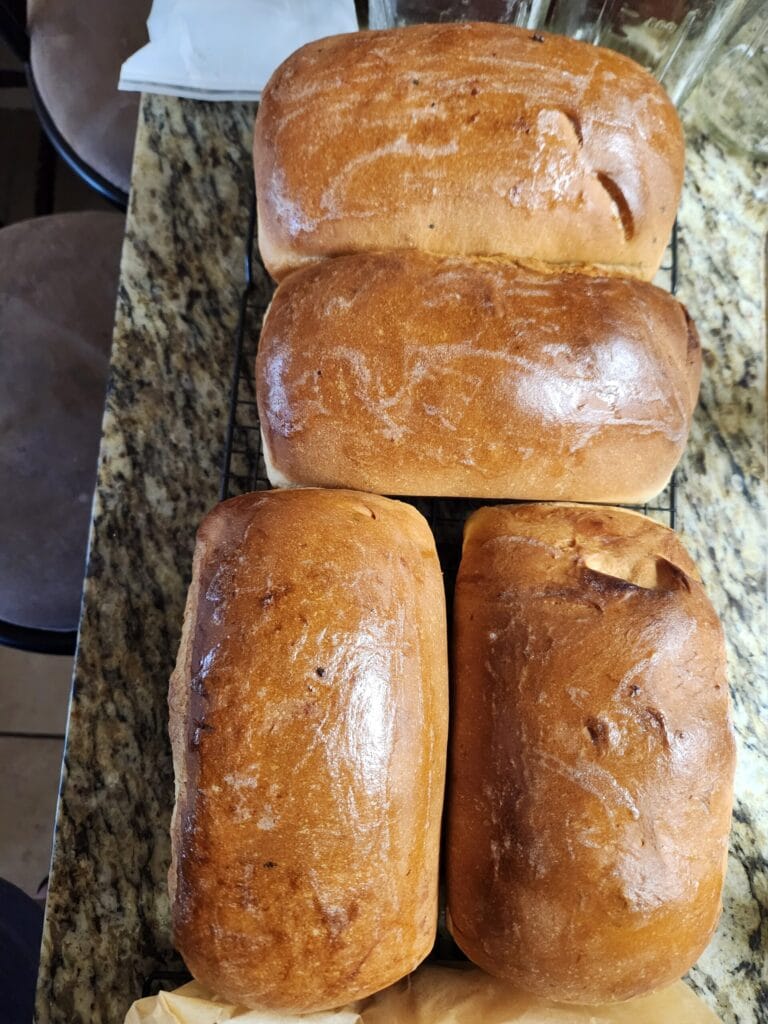
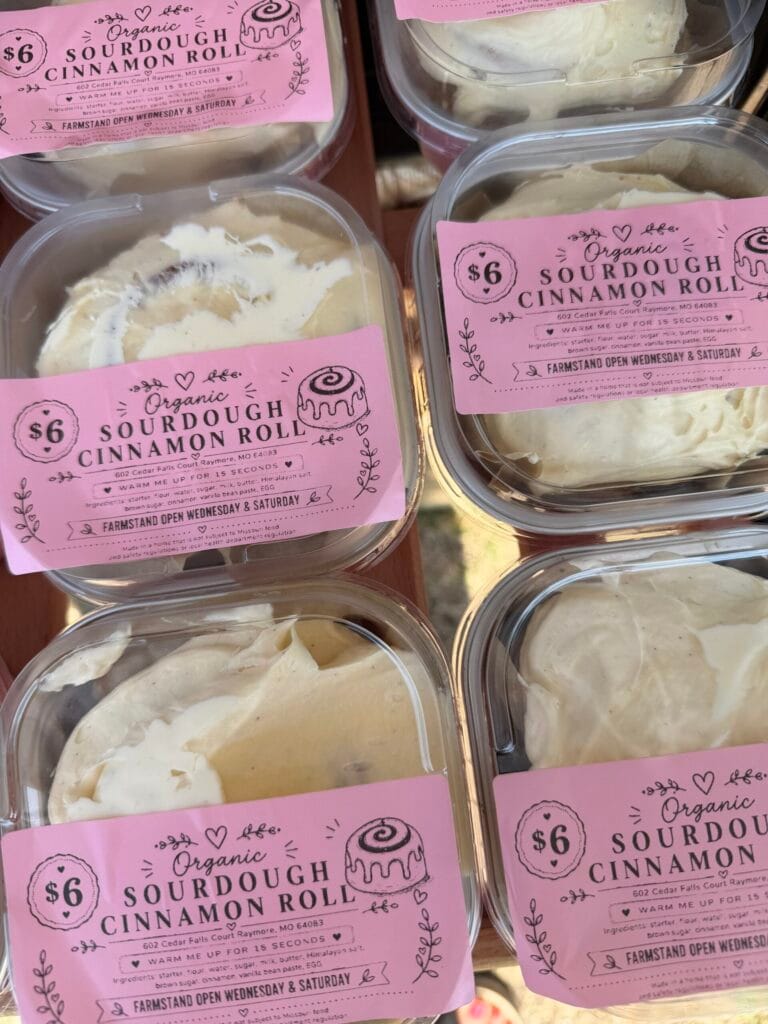
Kentucky's approved cottage food products include baked goods (cakes, cookies, breads, pastries, muffins), jams and jellies from high-acid fruits, fruit pies and cobblers, candies and fudge, roasted nuts and granola, and honey. The common thread is shelf stability. Cream-filled products and cheesecakes require a licensed commercial kitchen.
Where You Can Sell
Kentucky restricts sales to direct-to-consumer channels: selling from home via customer pickup, direct delivery, farm gate sales, and any Kentucky farmers market. Online sales within the state are generally permitted when you handle delivery directly. Selling through a third-party retailer who then resells requires a different license category.
Labeling Requirements
Every Kentucky cottage food product must include: your name and home address, the product name, a complete ingredient list, all major allergens, net weight or volume, and this required statement: This product is home-produced and processed.
For current requirements and registration, visit the Kentucky Department of Agriculture website.

⚠ Legal Disclaimer: This post is for informational purposes only and is not legal advice. Cottage food laws change frequently — always check your state's current statutes or consult a local attorney before starting your food business.

Keep reading
More from the market
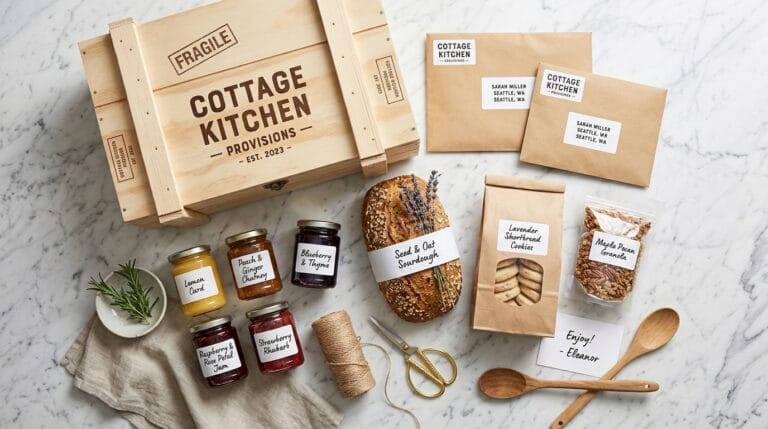
Can You Ship Cottage Food? The State-by-State Breakdown for 2026
Can you mail your cottage food products? The short answer is: it depends on your state. Here's the full 2026 breakdown of…
Read more
Georgia Cottage Food Laws 2026: No License Fee, Retail Sales Now Legal, and How to Start
Georgia eliminated its cottage food license fee and opened retail and restaurant sales in 2025 — and 2026 is your first full…
Read more
Food Freedom States 2026: Where Cottage Food Laws Go the Furthest
Nine states have passed food freedom laws that go far beyond standard cottage food rules — no permits, no sales caps, and…
Read more