Georgia Cottage Food Laws 2026: No License Fee, Retail Sales Now Legal, and How to Start
Georgia eliminated its cottage food license fee and opened retail and restaurant sales in 2025 — and 2026 is your first full year to take advantage. Here's everything you need to know.
 1 min read
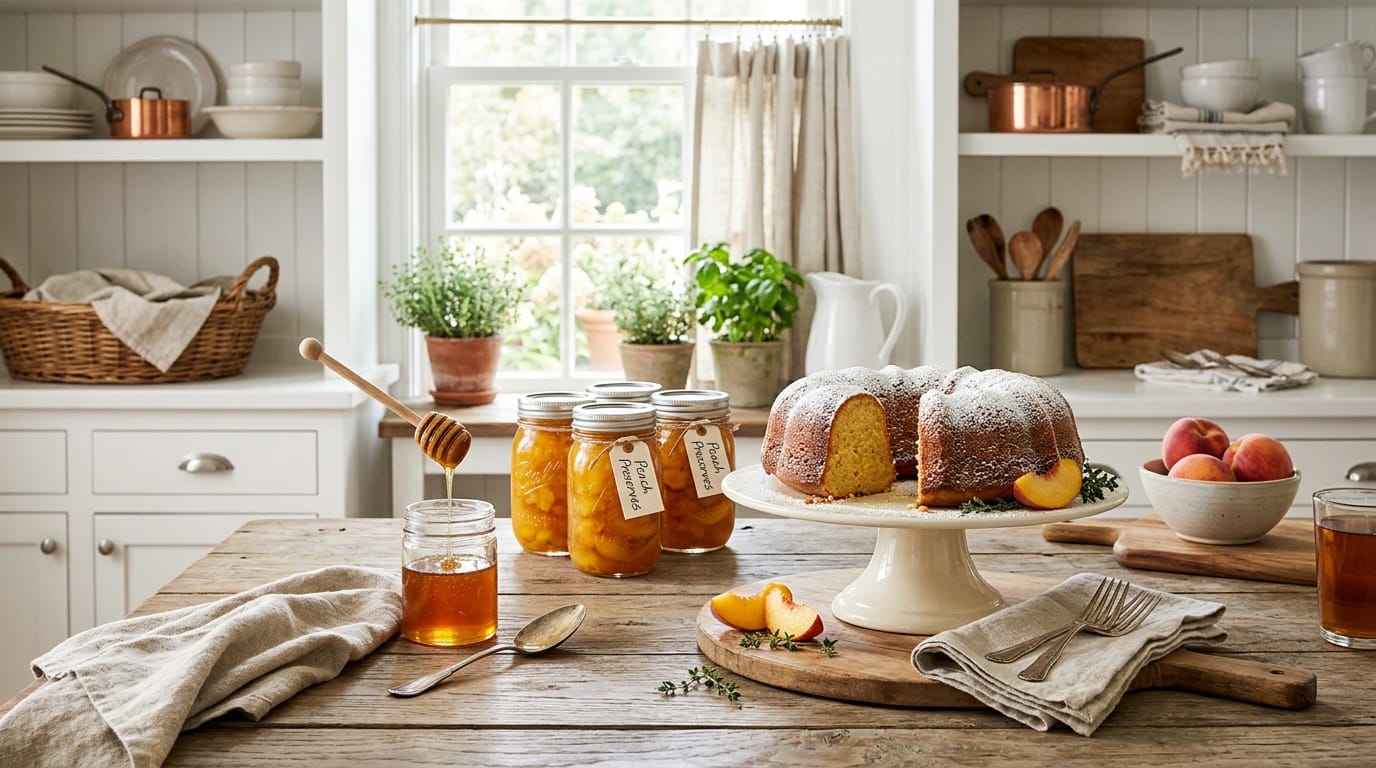
If you've been thinking about starting a cottage food business in Georgia, 2026 is the best time to do it. Thanks to House Bill 398, which took effect July 1, 2025, Georgia eliminated its $100 annual cottage food license fee and opened the door to retail and restaurant sales — two changes that make the state significantly more accessible for home-based food entrepreneurs.
Here's what you need to know to get started.
What Georgia Cottage Food Law Allows You to Sell
Georgia cottage food law permits the sale of food products that are not potentially hazardous — meaning foods that are shelf-stable and don't require refrigeration to stay safe. In practice, that covers a wide range of popular products.
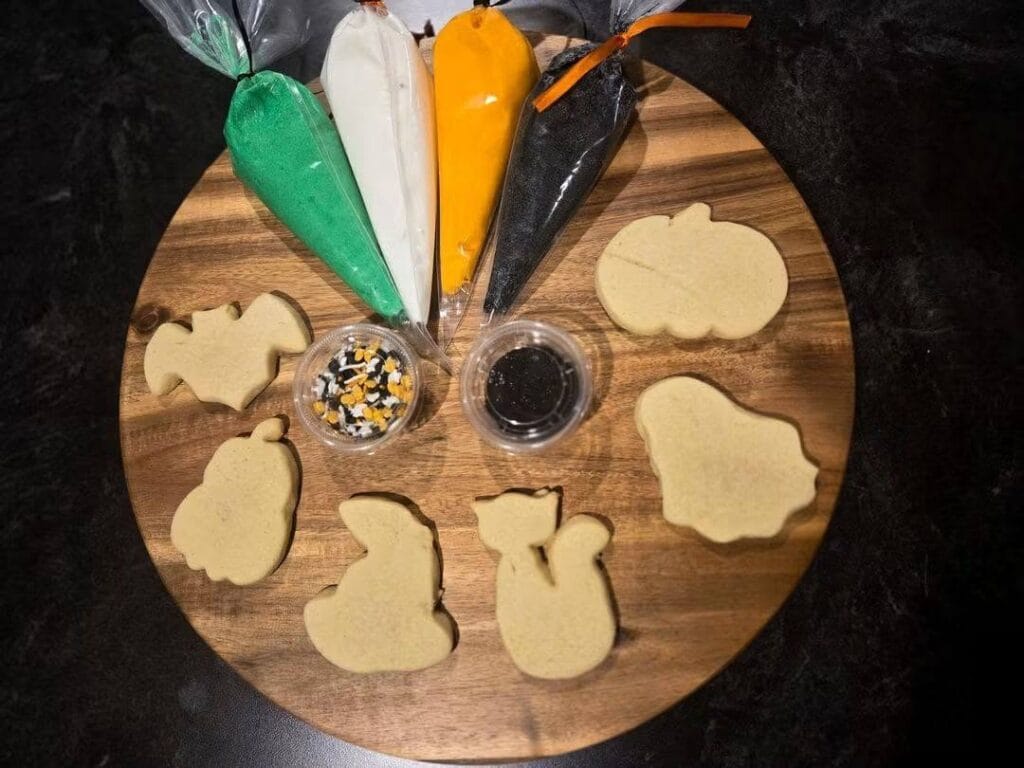
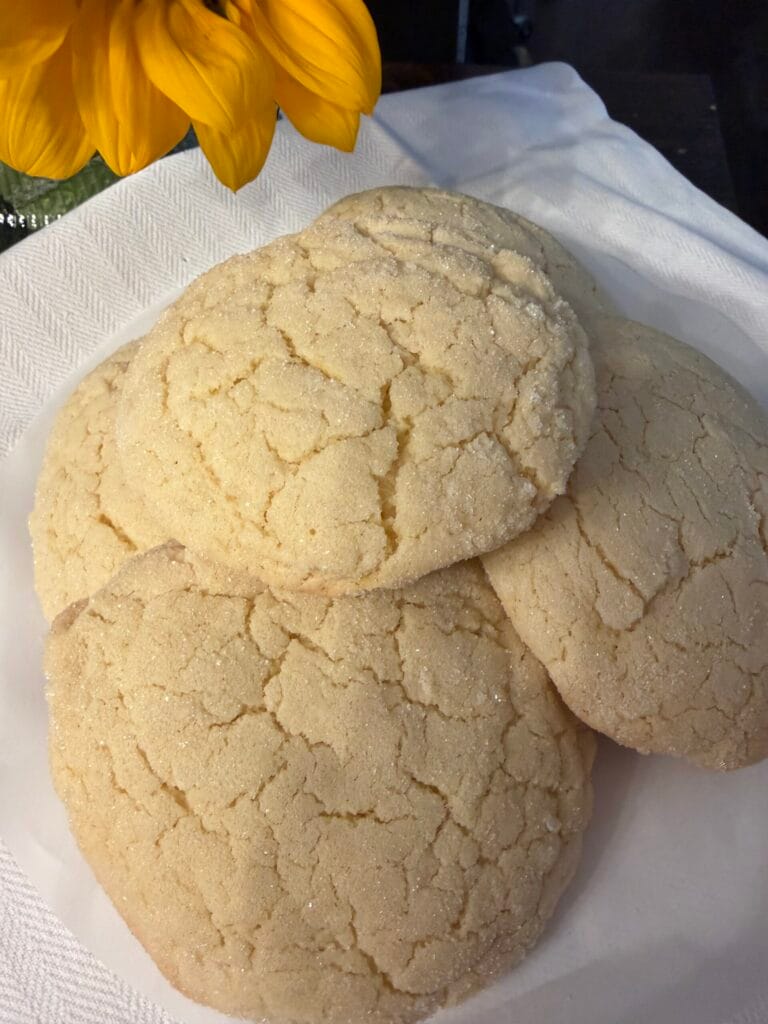
Baked goods, cookies, cakes, breads, muffins, and pies are all permitted, with one important exception: fillings that require refrigeration — like custard, cream cheese, or fresh fruit — are not allowed. A standard buttercream-frosted layer cake? Fine. A cream cheese-filled danish? Not under cottage food law.
Beyond baked goods, Georgia cottage food producers can sell jams and jellies, candy and confections, roasted and seasoned nuts, granola, dried herbs and spice mixes, honey and honey products, and other shelf-stable foods. If you're not sure whether a specific product qualifies, the Georgia Department of Agriculture's website is your authoritative source.
What Georgia Cottage Food Law Does NOT Allow
Time/Temperature Control for Safety (TCS) foods — those that must be kept cold to prevent bacterial growth — are not permitted under cottage food law. This includes products with meat, most dairy-based fillings, and anything that would require refrigeration after production.
Georgia does not currently allow out-of-state shipping of cottage food products. All sales must occur within Georgia.
Food Safety Training Is Required
While HB 398 eliminated the annual license fee, Georgia cottage food producers are still required to complete an ANSI-accredited Food Handler training course. This is a one-time requirement, not an annual renewal. Several online providers offer approved courses for under $20, and the training typically takes about two hours.

The training covers the basics of food safety, temperature control, cross-contamination prevention, and personal hygiene — all practical knowledge that makes you a better food producer, not just a compliant one.
Georgia's Labeling Requirements Are Specific — Follow Them Exactly
Georgia has some of the most specific label requirements in the country, so pay close attention. Every product you sell must be labeled with your full name and home address, the common or usual name of the food product, a complete list of ingredients in descending order by weight, all major allergens, the net weight or volume, and this required statement: "MADE IN A HOME KITCHEN AND NOT INSPECTED BY THE GEORGIA DEPARTMENT OF AGRICULTURE."
Georgia also specifies how that statement must look: Times New Roman or Arial font, ALL CAPS, in at least 10-point type, in a color that contrasts with the background. Don't improvise on this one — the specificity is intentional and the requirements are enforced.
Where You Can Sell — Including New Options Under HB 398
Georgia cottage food producers can sell directly to consumers in several ways: at your home (pickup and delivery), at farmers markets and community events, through online orders with in-state delivery or pickup, and — new under HB 398 — through retail stores and restaurants.
The retail and restaurant provision comes with a condition: products sold through retailers must be displayed in a clearly identified cottage food section so buyers know they're purchasing a home-produced item. This transparency requirement protects both buyers and the integrity of the cottage food market.
Revenue Cap: There Isn't One
Georgia has no annual revenue cap on cottage food sales. This makes it one of the more business-friendly states for cottage food producers — you can grow your business without hitting an income ceiling that forces you into a commercial kitchen before you're ready.
How to Start Your Georgia Cottage Food Business in 2026
The path is relatively straightforward: complete your ANSI Food Handler training and keep the certificate on file. Develop your product line based on permitted foods. Set up your labeling to meet Georgia's specific requirements. Choose your sales channels — your home, farmers markets, online, or the newly available retail option. And start selling.
You don't need a business license specifically for cottage food in Georgia under current law, though you may want to register a business name through the Secretary of State's office if you're operating under a brand name. Many cottage food producers also carry basic product liability insurance, which isn't required but is often a smart investment as you grow.
For more information, visit the Georgia Department of Agriculture Cottage Food website.

⚠ Legal Disclaimer: This post is for informational purposes only and is not legal advice. Cottage food laws change frequently — always check your state's current statutes or consult a local attorney before starting your food business.

Keep reading
More from the market
Can You Ship Cottage Food? The State-by-State Breakdown for 2026
Can you mail your cottage food products? The short answer is: it depends on your state. Here's the full 2026 breakdown of…
Read more
Food Freedom States 2026: Where Cottage Food Laws Go the Furthest
Nine states have passed food freedom laws that go far beyond standard cottage food rules — no permits, no sales caps, and…
Read more
Can I Hire Help for My Cottage Food Business? Employee Rules by State
Your sister volunteers to help bag granola. Your neighbor offers to do labels. Can you say yes? Cottage food employee rules vary…
Read more