The Hidden Crisis in American Food: Why Small Farms Are Disappearing — and What You Can Do
Over $1 billion in federal local food programs has been cut in 2026, and small farms are feeling it. Here is what is at stake — and why your shopping habits matter more right now than they ever have.
 1 min read
Something quiet is happening to your food supply, and most people do not know about it yet.
In 2026, the federal government cut more than $1 billion in programs specifically designed to support local food systems — the Local Food Purchase Assistance Program, the Regional Food Business Centers, land-access grants for new farmers. Programs that helped small farms find buyers, build infrastructure, and stay financially viable. Programs that had created 325 new food businesses and helped 525 farms grow their revenue in just a few years of operation.
They are gone now. And the farms they supported are scrambling.
Why Small Farms Matter More Than Most People Realize
It is easy to think of small farms as a charming but economically marginal part of food production — a nice supplement to industrial agriculture. That framing misses something important.
Small farms and local food producers are a different kind of economic engine. Farmers who sell locally create 13 full-time jobs for every $1 million in revenue, compared to just 3 jobs for industrial operations at the same revenue scale. Small farms anchor rural employment and keep money circulating in the communities where they operate. Communities with more local farms also have greater overall food security — less dependent on supply chains that can break at any moment.
We saw what supply chain fragility looks like when COVID hit. Shelves went bare not because there was not enough food, but because the infrastructure for getting food from distant industrial farms to local communities could not adapt quickly enough. Local food systems — farmers markets, community-supported agriculture, cottage food businesses — kept their communities fed precisely because they did not depend on that same fragile chain.


The Food Mile Problem
The average American meal travels 1,500 miles to reach your plate. That distance is not just a carbon footprint issue — it is also a food quality issue, a food safety issue, and a community investment issue. Every mile your food travels is a mile that takes money out of your local economy and puts it somewhere else.
When a small farm closes, that money does not just shift to another farm. It often consolidates upward — to larger agricultural operations, to distant distribution centers, to corporations that do not employ your neighbors or sponsor your local little league team or know your name.
What Is Actually at Stake
The loss of small farms is not just about losing access to good produce. It is about losing the biodiversity that small diverse farms support. It is about losing the soil health that comes from small-scale, varied agriculture versus industrial monoculture. It is about losing farmers — young farmers, first-generation farmers, farmers from communities historically excluded from agriculture — who needed those federal programs to get started and cannot easily replace that support.
Once a farm closes, it is very hard to restart. Agricultural land gets sold, often to non-agricultural buyers. The skills transfer imperfectly. The local food networks that took years to build take years to rebuild.
The One Thing Consumers Can Do That Actually Helps
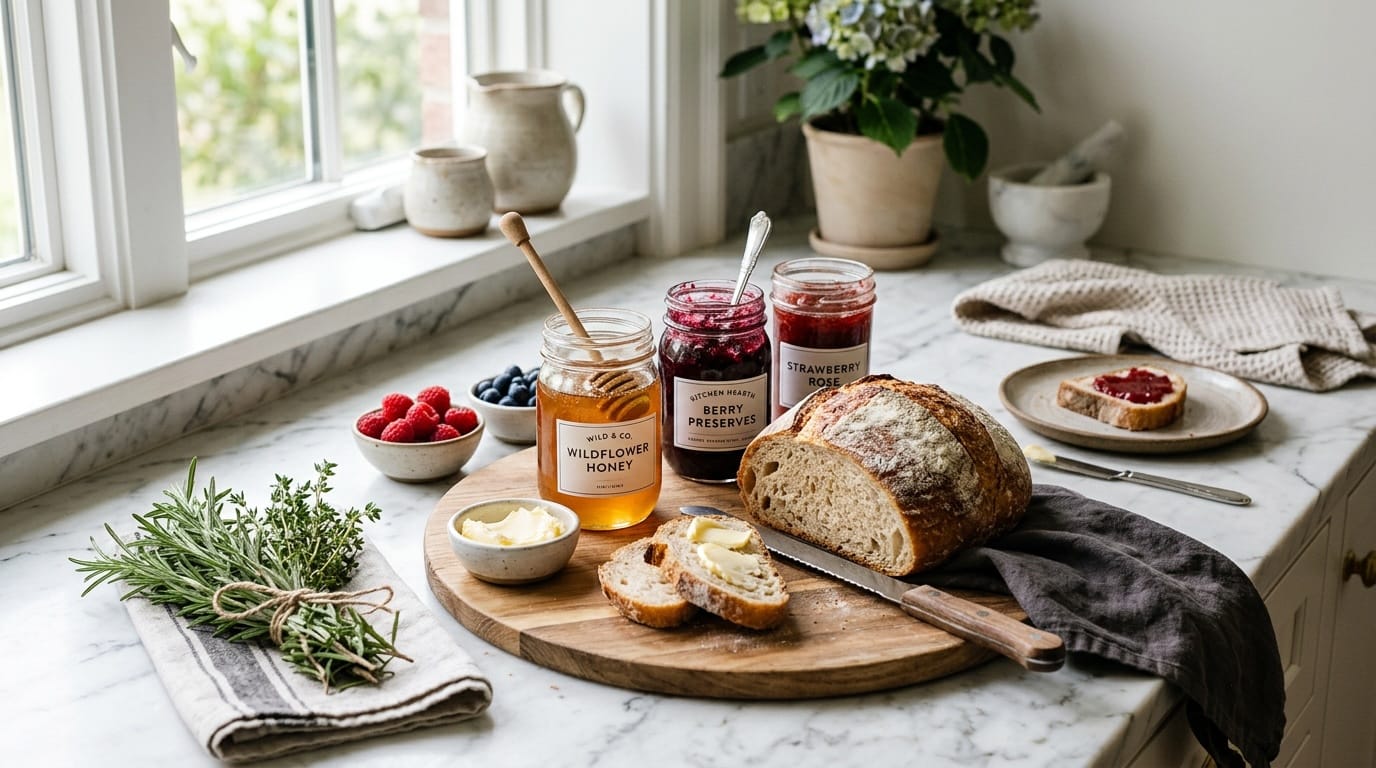
Policy change is slow and uncertain. What consumers can do is more immediate: spend money at local food businesses. Every purchase from a farmers market vendor, a cottage food baker, a local honey producer, or a small farm CSA box is a direct vote — with real dollars — that local food is worth preserving.
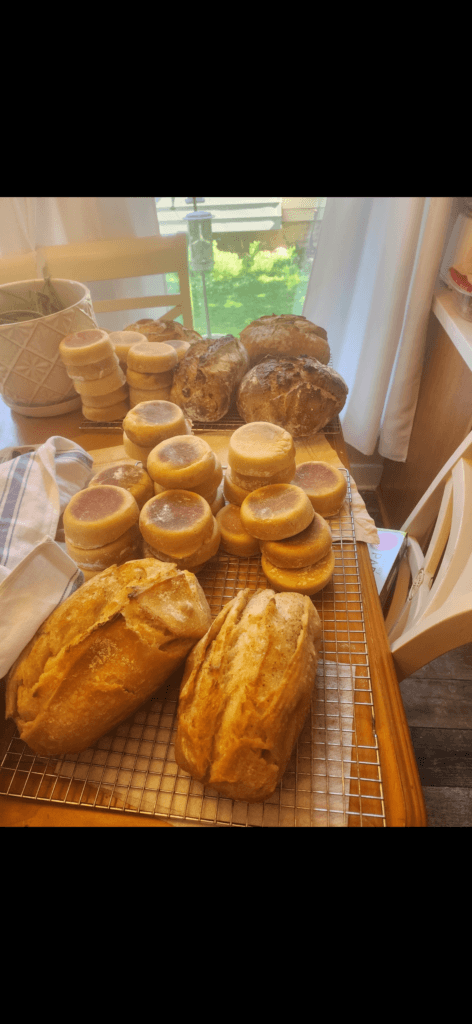
You do not have to shop exclusively local or overhaul your grocery routine overnight. Start with a few things: buy your jam from someone local. Find a cottage baker for special occasions. Try your farmers market before the grocery store when produce is in season. Those small choices, multiplied across a community, are what keep small farms viable.
The federal programs that supported local food are gone for now. Consumer demand is what remains.


Keep reading
More from the market

What’s in a Winter CSA Share, and Is It Worth Joining?
What a winter CSA share really holds, from storage roots and squash to tunnel-grown greens, how pickup changes after frost, and the…
Read more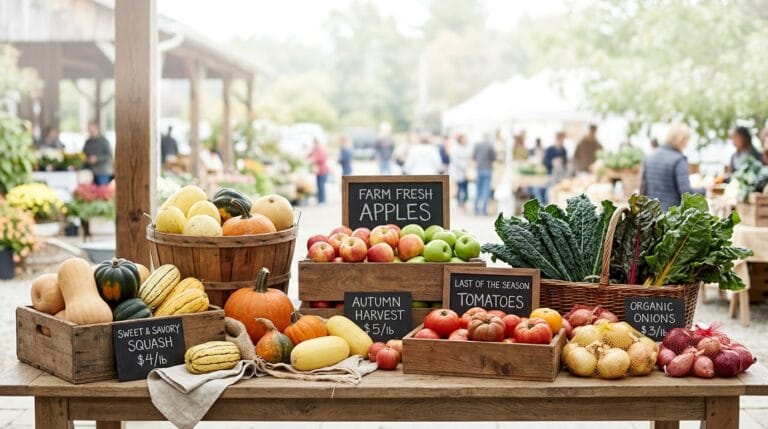
What’s at the Farmers Market in November? Your Late-Fall Shopping Guide
November farmers markets are smaller, colder, and sweeter than you expect. Here is what is in season, what frost improves, and what…
Read more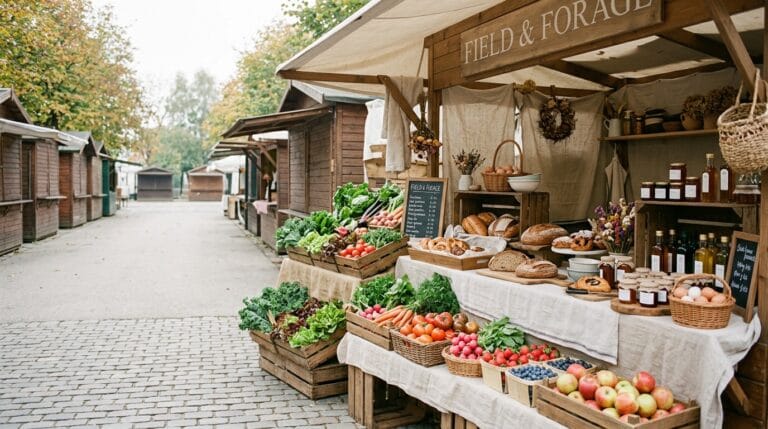
How to Survive a Slow Market Day (And Get Something Out of It)
Four hours, eleven customers, a full table. What to do with a dead market instead of scrolling, and how to leave with…
Read more