
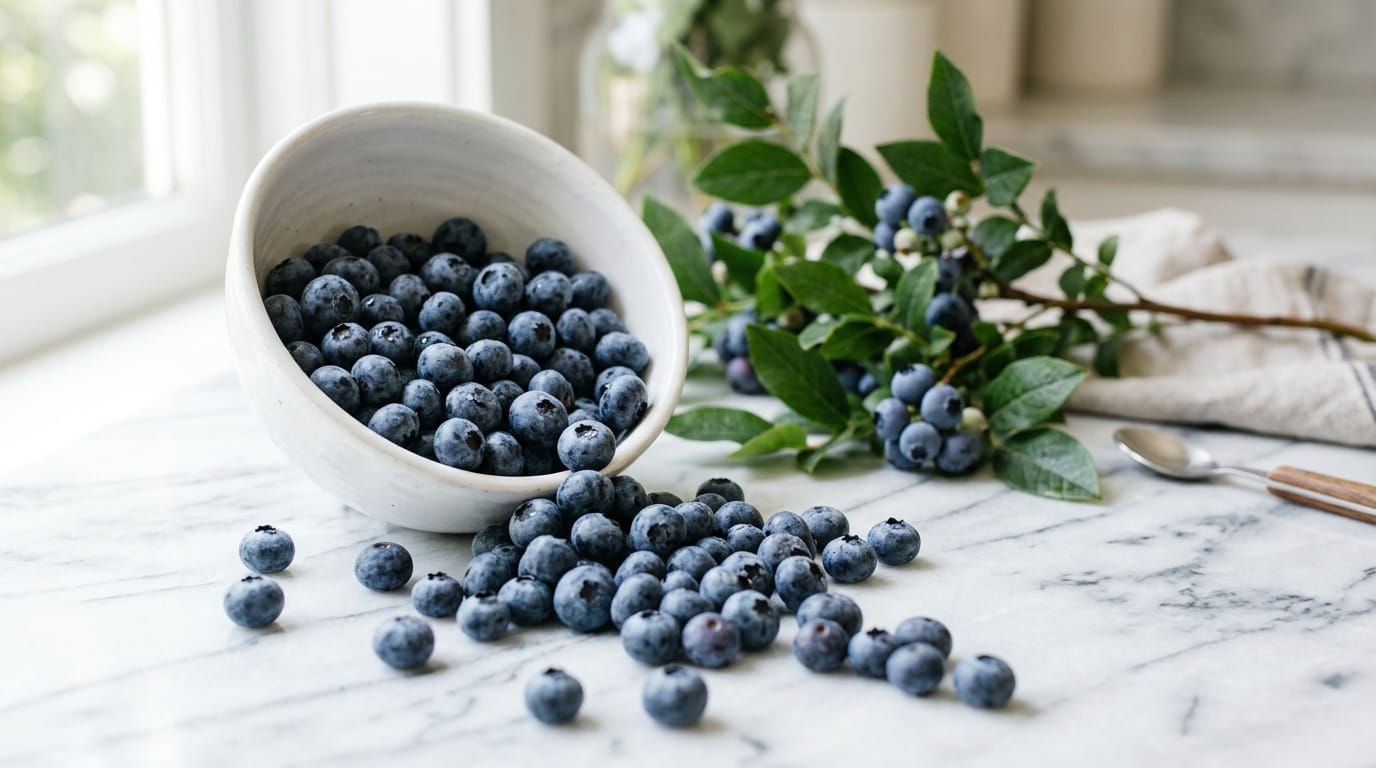
Blueberries are not the garden project for people who want immediate results. They take two to three years to produce a meaningful harvest. The soil preparation alone requires patience. And yet, every single person who has a mature blueberry bush — the kind dripping with fat, dusty-blue fruit in July — will tell you without hesitation that it was worth every minute of waiting. They are among the most satisfying plants you can grow at home, and once established, they will fruit reliably for decades.
Choose the Right Variety for Your Climate
Not all blueberries thrive in all climates. Northern highbush blueberries are large, sweet, and productive in cooler climates with cold winters (USDA zones 4-7). Southern highbush varieties are bred for warmer regions with mild winters and fewer chill hours, making them the right choice for zone 7-9 growers. Rabbiteye blueberries are the workhorses of the Southeast — heat-tolerant, drought-hardy, and hugely productive in zones 7-9. Lowbush varieties are small, intensely flavored, and extremely cold-hardy, ideal for northern growers in zones 3-5.
For the best fruit production, plant at least two different varieties that bloom at the same time. Blueberries are self-fertile but cross-pollination between varieties dramatically increases both yield and berry size.
Soil Is Everything
This is the factor that determines whether your blueberries thrive or merely survive: blueberries require acidic soil with a pH between 4.5 and 5.5. Most residential garden soil sits around 6.0-7.0, which is too alkaline for blueberries to absorb nutrients efficiently. If your soil pH is off, your plants will grow but will not fruit well, and they will show nutrient deficiencies even when you fertilize.
Test your soil before planting — inexpensive kits are available at garden centers. If your pH is too high, elemental sulfur worked into the soil several months before planting will lower it gradually. Peat moss mixed into the planting hole both lowers pH and improves drainage. If your native soil is heavy clay or very alkaline, raised beds filled with a blueberry-specific acidic soil mix give you the most control and consistently better results.
When and How to Plant
Plant blueberries in early spring or fall, when temperatures are mild and roots have time to establish. Dig a hole twice as wide as the root ball and just as deep. Amend the backfill with peat moss (roughly 50/50 with native soil), set the plant so the crown sits slightly above the surrounding soil line, fill in, and water thoroughly. Mulch with 2-4 inches of pine bark or wood chips — blueberries are shallow-rooted and dry out faster than you would expect, and mulch continues acidifying the soil as it breaks down. Space highbush varieties about 4-5 feet apart in rows 8-10 feet apart.
What to Expect in Years One, Two, and Three
Year one, your entire focus is root establishment, not fruit. Remove any flower buds that appear the first season. This feels deeply wrong. It is deeply right. Letting a young plant set fruit too early diverts energy from building the root system that will sustain it for decades. Water consistently and apply a fertilizer formulated for acid-loving plants in early spring.
Year two, let the plant fruit lightly. You might get a small handful of berries — enough to taste what is coming.
Year three, the plant finds its stride. Expect a real harvest — several pounds of fruit from a single well-cared-for plant. A mature highbush blueberry can yield 5-10 pounds of fruit per season. At $4-6 per pint at your local farmers market, a handful of established plants pays for itself quickly.
Bringing Your Harvest Inside
Fresh blueberries are best within a week of picking but freeze beautifully without any blanching or prep. Spread in a single layer on a baking sheet, freeze until solid, then transfer to bags. Frozen blueberries are indistinguishable from fresh in baked goods, sauces, and cobblers. And if your harvest exceeds what you can use yourself? Your local farmers market vendors who make small-batch jam would probably be very interested in fresh, locally grown fruit. Fresh. Local. Sustainable. — starting in your own backyard.



0 Comments