Vermont Cottage Food Law 2026: The $30K Cap, Free Registration, and How to Start Selling
Vermont's 2025 cottage food update tripled the annual sales cap to $30,000, added free online training, and made it easier than ever to sell homemade food at farmers markets and directly online. Here's what you need to know.
 1 min read
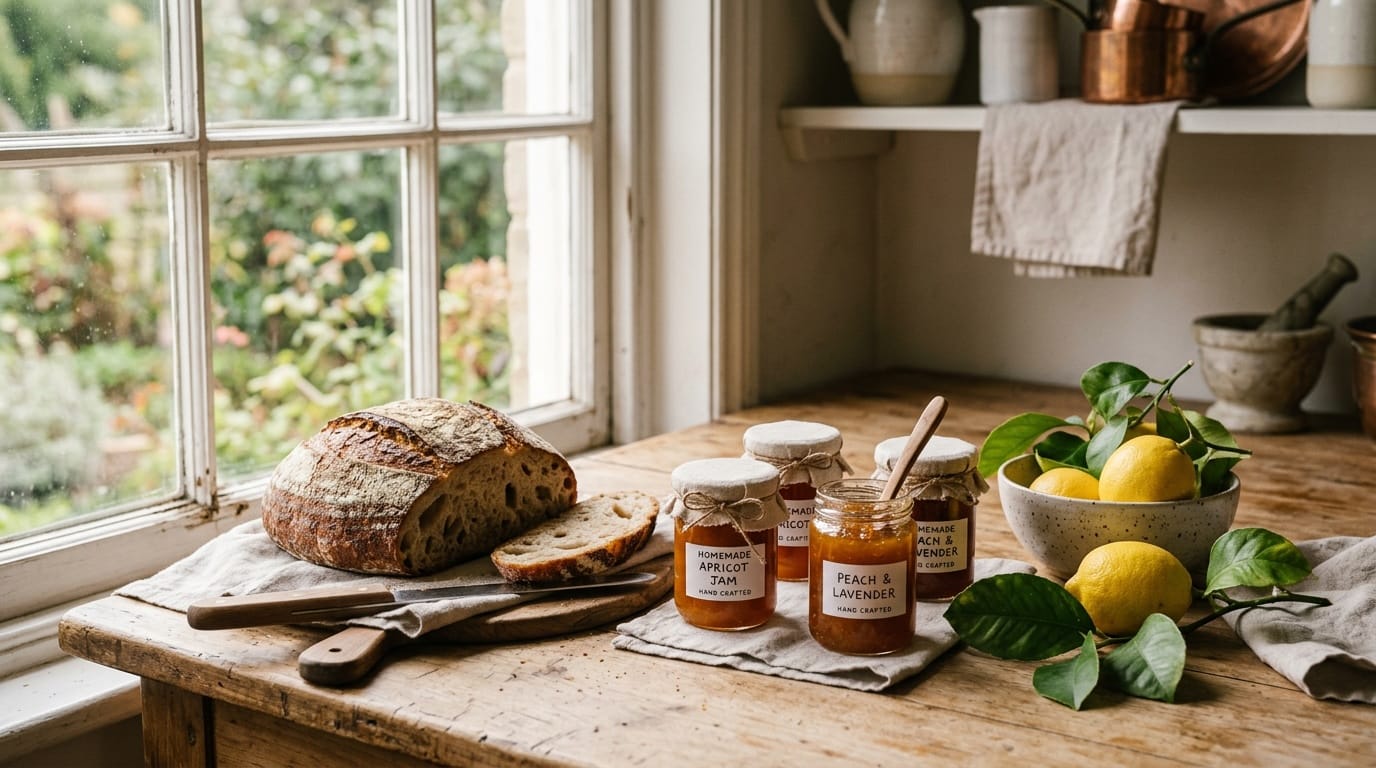
Vermont has always been a state that takes local food seriously. The farmstead cheddar, the maple syrup, the raw-milk butter at the farmers market table — Vermont gets it. But until recently, the state's cottage food law hadn't quite caught up to that identity. A $10,000 annual sales cap was holding home bakers and jam makers back from building anything that looked like a real business.
That changed in 2025. Act 42, signed into law in July 2025, tripled Vermont's cottage food sales cap to $30,000, streamlined the registration process, and made free training available to anyone who wants to start selling. Here's what Vermont's cottage food law looks like in 2026 — and how to get started.
What Changed With Act 42?
Before Act 42, Vermont actually had two separate systems — one for home bakeries (capped at $6,250 per year) and a general cottage food exemption (capped at $10,000). Act 42 consolidated these into a single, unified cottage food exemption with a $30,000 annual sales cap. For home bakers previously capped at $6,250, that's nearly a five-fold increase.
The new law also introduced a registration requirement — which sounds intimidating but is actually just a straightforward annual filing with the Vermont Department of Health, paired with free online training. No fees. No kitchen inspections. The training and filing process takes less time than a trip to the market.
What Can You Sell Under Vermont's Cottage Food Law?
Vermont's exemption covers shelf-stable foods — items that don't require refrigeration or temperature control to stay safe:
- Baked goods: breads, cookies, muffins, cakes without cream or custard fillings, pastries
- Jams, jellies, and fruit preserves
- Candies and confections — fudge, brittle, chocolates
- Dry goods: granola, trail mix, spice blends, roasted nuts
- Shelf-stable condiments and properly acidified pickled items
Items requiring refrigeration — cream pies, cheesecakes, meat products, anything that needs to stay cold — are not covered by the cottage food exemption.
How to Register in Vermont
Under Act 42, anyone making and selling cottage food in Vermont must complete three simple steps:
- Complete the free online training — The Vermont Department of Health provides this at no cost. It covers food safety basics and what the law requires.
- File your cottage food exemption — Done through the Vermont Department of Health website. It's an annual declaration, not a license application — you're notifying the state that you're operating under the exemption.
- Renew annually by January 15 — Your registration refreshes each year. Renewals are due each January 15.
No license fee. No kitchen inspection. No waiting for approval. You complete the training, file the exemption, and you're legal to sell.
Where Can You Sell?
Vermont cottage food producers can sell directly to consumers in a variety of settings:
- At farmers markets
- From home or personal property
- At roadside stands
- At fairs, festivals, and community events
- Online — through your own website with direct mail-order delivery to Vermont customers
A few places where cottage food sales are not permitted under Vermont law:
- Wholesale to restaurants, cafes, or licensed food establishments for resale
- Retail stores and grocery stores
- Third-party online marketplaces like Amazon or Etsy
- Interstate sales — products must stay within Vermont
The restriction on third-party platforms is worth noting: Vermont cottage food cannot be listed on Etsy or Amazon. But your own website is completely permitted. If you want an online presence without building a site from scratch, platforms built specifically for cottage food businesses — not general consumer marketplaces — are worth exploring.
Labeling Requirements
Every product you sell must carry a compliant label with:
- Product name
- Full ingredient list in order by weight
- Common allergens clearly identified
- Net weight or volume
- Your name and contact information
- The required disclaimer: "This product was made in a home kitchen that has not been inspected by the Vermont Department of Health."
Vermont's $30,000 Opportunity
At $30,000 in annual sales, you're looking at a meaningful income — or, for some producers, the foundation of a real food business. Vermont's farmers markets, summer festivals, and fiercely loyal local-first consumer base make it one of the stronger markets in the country for cottage food producers who show up consistently with something genuinely good to sell.
If you've been making things in your kitchen that deserve to be on someone else's table, the registration process takes about an hour. The training is free. And the market is waiting.
Fresh. Local. Sustainable.
— Amy
For more information visit the Vermont Department of Health Home-Based Food Licenses and Exemptions website.
Vermont Makers: Find Your Customers on Butter & Sage Market
⚠ Legal Disclaimer: This post is for informational purposes only and is not legal advice. Cottage food laws change frequently — always check your state's current statutes or consult a local attorney before starting your food business.

Keep reading
More from the market
Can You Ship Cottage Food? The State-by-State Breakdown for 2026
Can you mail your cottage food products? The short answer is: it depends on your state. Here's the full 2026 breakdown of…
Read more
Georgia Cottage Food Laws 2026: No License Fee, Retail Sales Now Legal, and How to Start
Georgia eliminated its cottage food license fee and opened retail and restaurant sales in 2025 — and 2026 is your first full…
Read more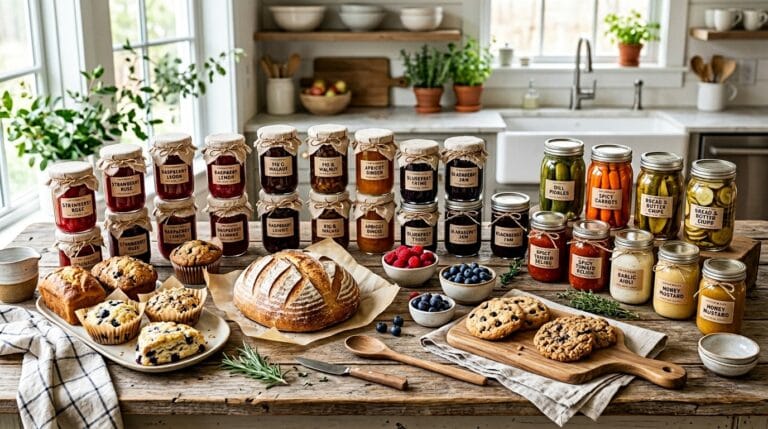
Food Freedom States 2026: Where Cottage Food Laws Go the Furthest
Nine states have passed food freedom laws that go far beyond standard cottage food rules — no permits, no sales caps, and…
Read more