Virginia Cottage Food Law 2026: No Cap, No Permit — But Read the Fine Print on Online Sales
Virginia's cottage food law allows unlimited sales with no permit required -- but you cannot complete sales online. Here is what that means and how to work within it.
 1 min read
Virginia's cottage food law is one of the more straightforward ones in the country -- no sales cap, no permit required, and a reasonably broad list of what you can make and sell from your home kitchen. But there is one rule that trips up almost every new Virginia cottage food producer, and it is worth knowing before you launch: you cannot complete sales online.
That is not a typo. You can advertise your products and prices online. You just cannot complete the transaction there. Understanding why -- and how to work within it -- is what this post is about.
What You Can Sell Under Virginia's Cottage Food Law
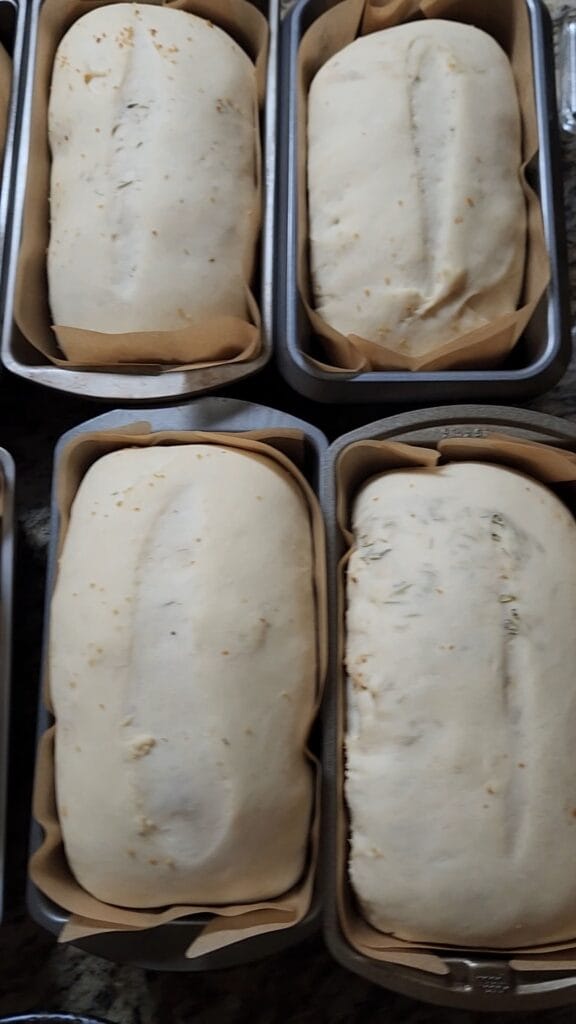
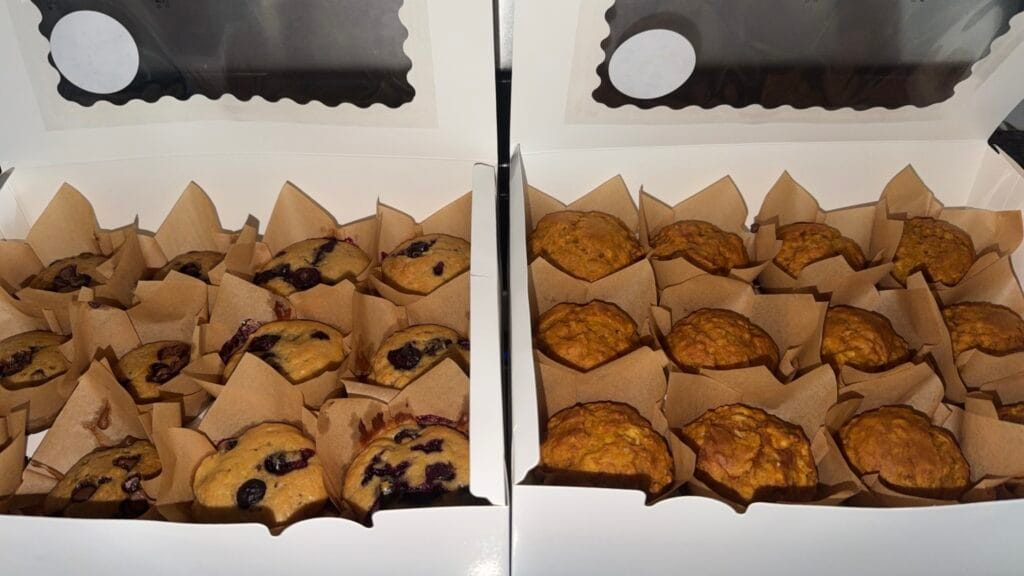
Virginia's Home Kitchen Food Processing Exemption allows you to make and sell a wide range of non-potentially-hazardous foods directly to consumers. The allowed list includes baked goods (breads, cookies, cakes without cream or custard fillings, muffins, fruit-only pies, scones, donuts), preserved foods (jams, jellies, fruit butters, dried fruits and herbs, dehydrated vegetables), confections (candy, fudge, toffee, chocolate-covered items, caramel corn, marshmallows), snacks (granola, trail mix, roasted nuts, nut butters, crackers, popcorn), and other shelf-stable items like honey, dried pasta, dry baking mixes, roasted coffee, dried tea, and cereals.
Virginia also allows acidified foods like pickles and fermented vegetables with a pH of 4.6 or lower, but with a catch: gross sales of those acidified products cannot exceed $3,000 per calendar year. Everything else has no sales cap.
What is off the table: anything requiring refrigeration -- dairy products, cheese, yogurt, cream fillings, custards, cream cheese frosting, or anything with meat, poultry, or seafood.
Where You Can Sell in Virginia
Virginia allows direct-to-consumer sales from your home, at farmers markets, and at temporary events operating no more than 14 consecutive days -- so festivals, pop-ups, and holiday markets all qualify. You can sell to any consumer in the state, and there is no annual revenue cap on most products.
Here is the online sales rule you need to understand: Virginia law allows you to advertise your products online and display prices. What it prohibits is completing a sale on the internet -- meaning no online checkout, no add-to-cart, no buy buttons. Customers must contact you by phone, text, or in person to actually place an order.
This matters for anyone building an online presence. You can have a beautiful website. You can post gorgeous photos of your jam on Instagram and list your prices. You just cannot let someone click "buy now." Orders have to be completed off-platform. Plenty of Virginia cottage food producers work within this successfully -- they use their website or social media to drive interest and direct messages or phone calls to close the sale.
Worth keeping an eye on: Virginia HB402, introduced in 2026, would expand internet sales rights for cottage food producers. The law may evolve on this point.
License, Permit, and Training Requirements
No permit, license, or inspection is required from the state to start selling under Virginia's cottage food exemption. All production must take place in your primary domestic residence -- a commercial kitchen or a family member's house does not qualify. Your home has to be your primary residence.
There is no mandatory food safety training requirement under state law, though many producers choose to take a course anyway. It is genuinely useful and helps demonstrate the professionalism of your operation.
Labeling Requirements in Virginia
Every product you sell must include your name and address, product name, net weight or volume, ingredients list in order by weight, any major allergens, and this required disclosure: "NOT FOR RESALE. PROCESSED AND PREPARED WITHOUT STATE INSPECTION." That final line is required by Virginia law and must appear on every label.
Getting Started in Virginia
If you are a Virginia home baker, jam maker, candy producer, or cottage food entrepreneur ready to start selling, the path is clear: make your product, label it correctly, and find your customers. Farmers markets are a natural starting point -- Virginia has hundreds of them, and they tend to be enthusiastic about local cottage food vendors.
Virginia Makers: Find Your Customers on Butter & Sage Market
For more information visit the Virginia Department of Agriculture and Consumer Services -- Kitchen-Based Food Businesses website.
Legal Disclaimer: This post is for informational purposes only and is not legal advice. Cottage food laws change frequently -- always check your state's current statutes or consult a local attorney before starting your food business.
-- Amy
Keep reading
More from the market
Can You Ship Cottage Food? The State-by-State Breakdown for 2026
Can you mail your cottage food products? The short answer is: it depends on your state. Here's the full 2026 breakdown of…
Read more
Georgia Cottage Food Laws 2026: No License Fee, Retail Sales Now Legal, and How to Start
Georgia eliminated its cottage food license fee and opened retail and restaurant sales in 2025 — and 2026 is your first full…
Read more
Food Freedom States 2026: Where Cottage Food Laws Go the Furthest
Nine states have passed food freedom laws that go far beyond standard cottage food rules — no permits, no sales caps, and…
Read more