Colorado Cottage Food Law 2026: The $10,000 Cap Rule (And Why It’s Not What You Think)
Colorado's $10,000 revenue cap applies per product category — not to your total sales. Online orders and mail delivery are allowed. Here's everything home bakers and food entrepreneurs need to know.
 1 min read
If you've looked up Colorado's cottage food law and seen the $10,000 revenue cap, you might have assumed it was a total annual limit on what you can earn. It's not — and that distinction matters a lot for anyone building a real cottage food business in Colorado.
Here's everything you need to know about the Colorado cottage food law in 2026, including what's changing and why Colorado is quietly one of the more interesting states for food entrepreneurs right now.
What Is Colorado's Cottage Food Law?
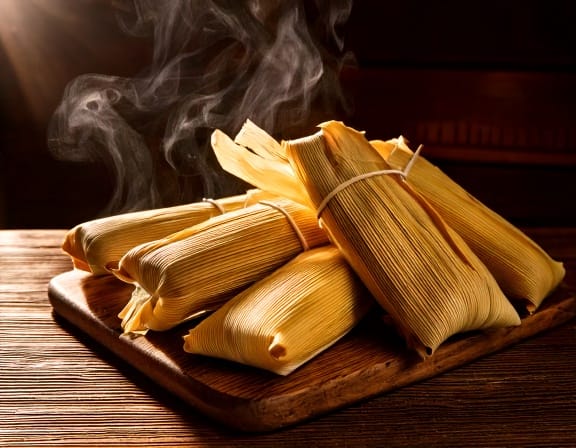
Colorado's cottage food program is called the Cottage Foods Act, sometimes informally referred to as the "Tamale Act" (a nod to its origins in legalizing the sale of homemade tamales). It allows home cooks and bakers to produce and sell certain shelf-stable foods without a commercial food processing license.
The program is overseen by the Colorado Department of Public Health and Environment.
How the $10,000 Cap Actually Works
Colorado has a $10,000 annual revenue cap — but it applies per product category, not to your total earnings. So if you sell jams, you can earn up to $10,000 from jams. If you also sell baked goods, that's a separate $10,000 limit for baked goods. A vendor selling five product categories could potentially earn up to $50,000 total.
That said, there's a meaningful caveat: you need to track your revenue by category, and you'll want to stay clearly on the right side of those lines. If your business is growing fast, this structure can become complicated to manage.
What's Changing: HB26-1033
Colorado House Bill 26-1033 is pending as of early 2026 and proposes to remove the per-product revenue cap entirely. If passed, Colorado would join a growing list of states with no cap on cottage food sales. Watch this space — if HB26-1033 becomes law, it would be a significant expansion of cottage food business opportunity in the state.
The "Tamale Act" expansion is also continuing to evolve, with ongoing legislative discussions about broadening the list of permitted foods.
What Can You Sell in Colorado?
Colorado's Cottage Foods Act covers shelf-stable, non-potentially hazardous foods:
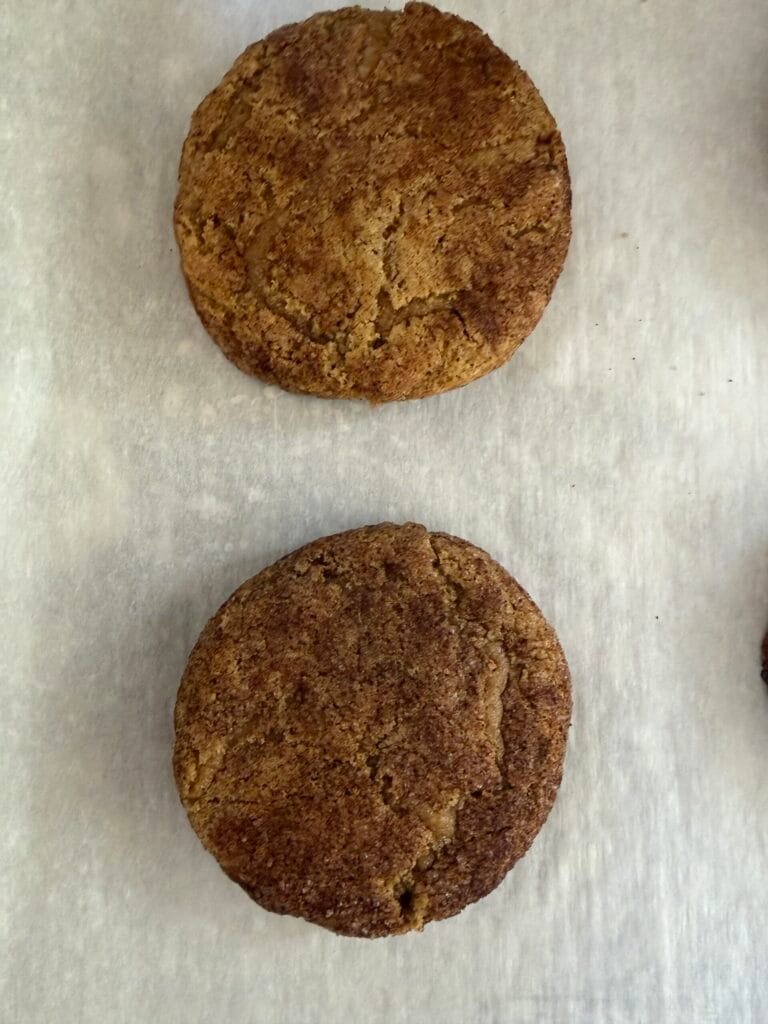
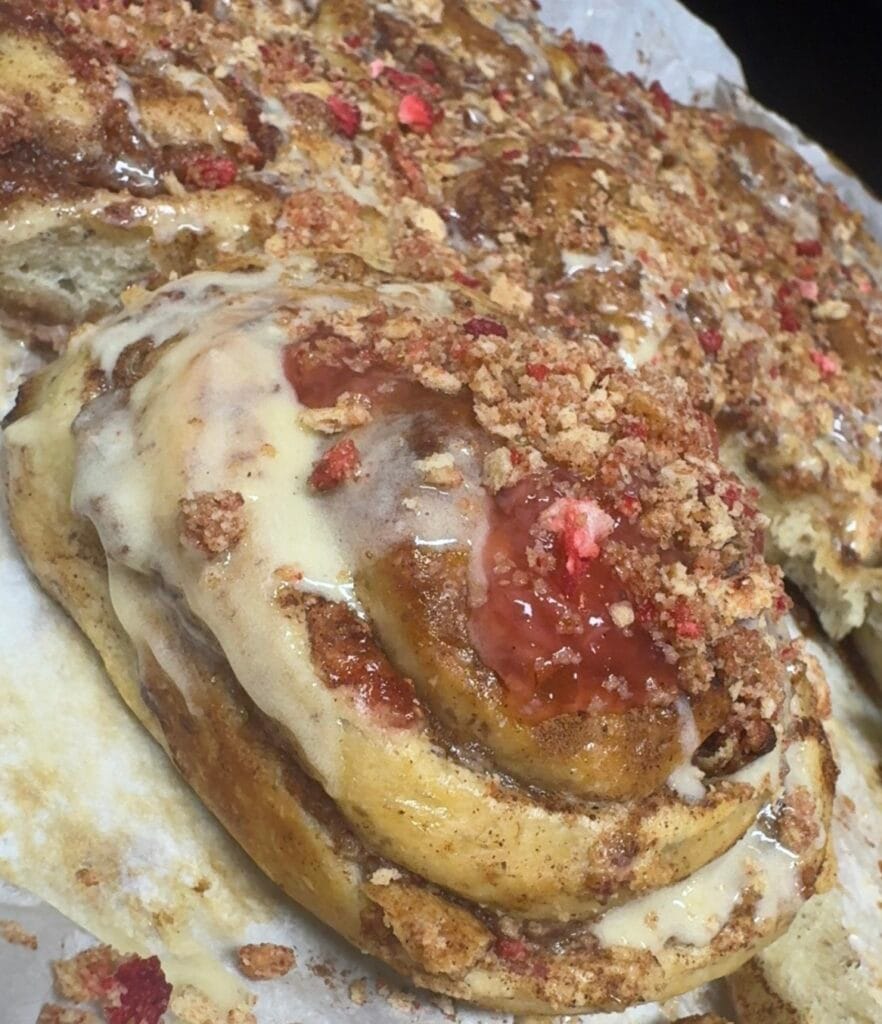
- Baked goods (breads, cookies, cakes, brownies, muffins)
- Jams, jellies, and preserves
- Candy and confections
- Dried herbs, spice blends, and tea mixes
- Granola and dried goods
- Roasted nuts and popcorn
- Tortillas and tamales (the original "Tamale Act" products)
Refrigerated or temperature-controlled foods are not permitted under the cottage food exemption.
Where Can You Sell — Including Online and Mail Order
Colorado is notably more permissive on sales channels than many states. Cottage food sellers can sell through:
- Farmers markets ✓
- Roadside stands ✓
- From your home ✓
- Community events ✓
- Online with home delivery ✓
- Mail order (shipping within Colorado) ✓
The ability to take online orders and ship within Colorado is a significant advantage over states like Washington. It means you can build an actual e-commerce component to your cottage food business — not just rely on in-person sales.
Wholesale to retailers and restaurants, and shipping out of state, require a commercial food license.
Food Safety Training
Colorado requires cottage food producers to complete a food safety training course before selling. This is typically a short food handler or food safety certification course. It's a one-time requirement (check for renewal requirements with current CDPHE guidance), and it's a reasonable ask given you're producing food for public sale.
Labeling Requirements
Colorado cottage food labels must include:
- Product name
- Your name and home address
- Ingredients list in descending order
- Net weight or volume
- Allergen information
- The statement: "This product was made in a home kitchen that is not inspected by the Colorado Department of Public Health and Environment."
Building a Cottage Food Business in Colorado
Colorado's combination of per-product caps (not a total cap), online sales permission, and mail order capability makes it a genuinely interesting state for building a multi-product cottage food business. A home baker selling breads, cookies, and jams could potentially have three separate $10,000 revenue streams — all from a home kitchen.
Keep a close eye on HB26-1033. If the cap is removed entirely, Colorado becomes one of the most permissive cottage food states in the country. Either way, the law is moving in the right direction for home food producers.
Get your food safety training done, understand how the per-product caps apply to your specific product line, and take advantage of the online sales channel that many states don't allow.
Learn more at the Colorado Department of Public Health & Environment website.
Colorado Makers: Find Your Customers on Butter & Sage Market
⚠ Legal Disclaimer: This post is for informational purposes only and is not legal advice. Cottage food laws change frequently — always check your state's current statutes or consult a local attorney before starting your food business.

Keep reading
More from the market
Can You Ship Cottage Food? The State-by-State Breakdown for 2026
Can you mail your cottage food products? The short answer is: it depends on your state. Here's the full 2026 breakdown of…
Read more
Georgia Cottage Food Laws 2026: No License Fee, Retail Sales Now Legal, and How to Start
Georgia eliminated its cottage food license fee and opened retail and restaurant sales in 2025 — and 2026 is your first full…
Read more
Food Freedom States 2026: Where Cottage Food Laws Go the Furthest
Nine states have passed food freedom laws that go far beyond standard cottage food rules — no permits, no sales caps, and…
Read more