
How to Shop at the Farmers Market on a Budget (Fresh, Local, and Actually Affordable)
Farmers markets don't have to break the budget. Here's how to shop local, seasonal, and smart — with strategies for getting the most value from every market trip.
 1 min read
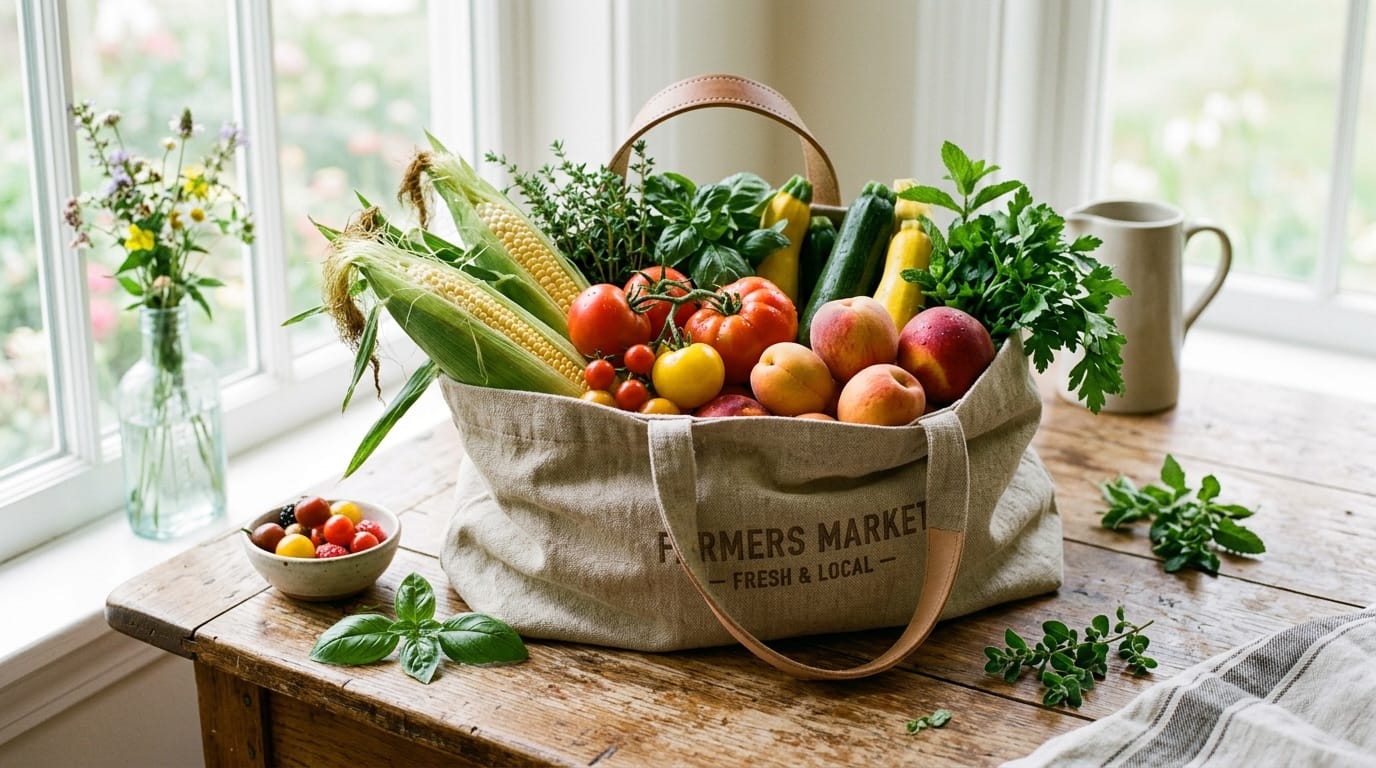
You've walked through a farmers market and done the mental math. Those heirloom tomatoes are $5. The sourdough is $12. The local honey that actually tastes like something is $18. And somewhere between the flower bouquets and the peach stand, you've wondered whether shopping local is really just shopping expensive.
Here's the thing: it doesn't have to be. With a little strategy, you can do most of your weekly food shopping at the farmers market — fresh, seasonal, local — without blowing your grocery budget. You just need to know which moves to make.
The Budget Mistake Most Market Shoppers Make
Most people show up to the market with no plan and wander. They buy what looks beautiful (impulse), what they always buy (habit), and whatever they see first (proximity). The result is a haul that's heavy on specialty items and light on everything you actually need for a week of real meals.
The budget-smart way to shop the farmers market is to start with staples, not splurges. Fill your bag with high-volume, versatile produce first — the stuff that anchors meals all week — and then use whatever's left of your budget on the specialty items that make those meals feel special.
Plan Before You Go (Takes Five Minutes)
The single highest-ROI habit for market shoppers on a budget: decide what you're making for dinner this week before you leave the house. You don't need a precise meal plan — just a loose list of four or five dinners. Then, rather than shopping for specific ingredients, you shop for the seasonal produce that fits those general categories.
You know you're making a stir-fry, a pasta, a soup, and something grilled. Now you go to the market and find the best version of summer vegetables to build those meals around. You're not locked into a recipe; you're building flexibly around what's freshest and most affordable that week.
This approach also prevents the most expensive farmers market habit: buying something beautiful with no plan to use it, watching it wilt in the fridge, and quietly feeling guilty about what you paid for it.
What to Buy for Maximum Value
Not all farmers market produce is equally priced. Some things are genuinely cheaper at the market than at a grocery store — especially in peak season when vendors have abundance to move. Here's what tends to give the most value per dollar in summer:

Zucchini and summer squash. Abundant and priced to move. One large zucchini goes a long way — fritters, pasta, roasted, grilled. Buy a few and you've got a week of sides covered.
Fresh corn. At peak season, you'll often find it cheaper per ear at the market than at the grocery store, and the flavor difference is not subtle. Buy a dozen — eat some fresh, freeze the rest.
Greens and herbs. A bunch of basil or a bag of mixed greens from a local farm is often the same price or less than the sorry plastic container at the store, and it lasts longer because it was harvested recently.
Seconds produce. Many vendors sell "seconds" — perfectly good produce with minor blemishes, at a significant discount. These are ideal for cooking (soups, sauces, preserves) where appearance doesn't matter. Just ask your favorite vendors if they have any.
Whatever's in peak season. Seasonal produce is always cheaper than out-of-season. Peaches in July are a deal. Peaches in February are a splurge. Let the season guide your shopping and your wallet will follow.
The End-of-Market Advantage
If you can shop toward the end of the market's hours, vendors who don't want to haul produce back home will sometimes offer deals on what's left. It's not guaranteed, and it's always worth asking politely — but the last hour of many markets has the best prices for flexible shoppers.
Stretch Your Haul Through the Week
The other half of market budgeting is making sure what you buy actually gets eaten. A few habits that help:
Wash and prep greens immediately when you get home — they'll last longer and you'll use them. Store herbs in a glass of water like a bouquet. Freeze what you won't use before it turns — corn, berries, and sliced zucchini all freeze beautifully with almost no prep.
When you treat a farmers market haul like an investment rather than a grocery run, you start to see the value differently. You're not paying more for food. You're paying less over time — because you waste less, eat better, and spend less on the processed stuff you reach for when the fridge feels empty.
The farmers market doesn't have to be a special occasion. With a little intention, it can be your regular grocery store — one that happens to have dramatically better tomatoes.
Looking for local vendors near you? Browse the Butter & Sage Market vendor directory to find small and cottage food businesses in your area.

Keep reading
More from the market
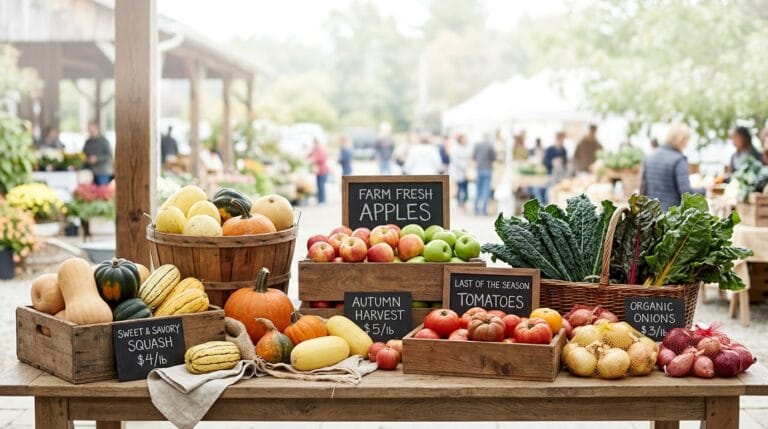
What’s at the Farmers Market in November? Your Late-Fall Shopping Guide
November farmers markets are smaller, colder, and sweeter than you expect. Here is what is in season, what frost improves, and what…
Read more
How to Survive a Slow Market Day (And Get Something Out of It)
Four hours, eleven customers, a full table. What to do with a dead market instead of scrolling, and how to leave with…
Read more
Cold-Weather Booth Setup: Wind, Light, and Days That End at Four
A booth built for August falls apart in November. What to change for wind, cold and a market that ends after dark…
Read more