How to Fill Next Season’s CSA Shares Before Spring
How to fill CSA shares before spring: renew members in November, set early-bird deadlines, offer deposits and payment plans, and get SNAP approved in time.
 5 min read
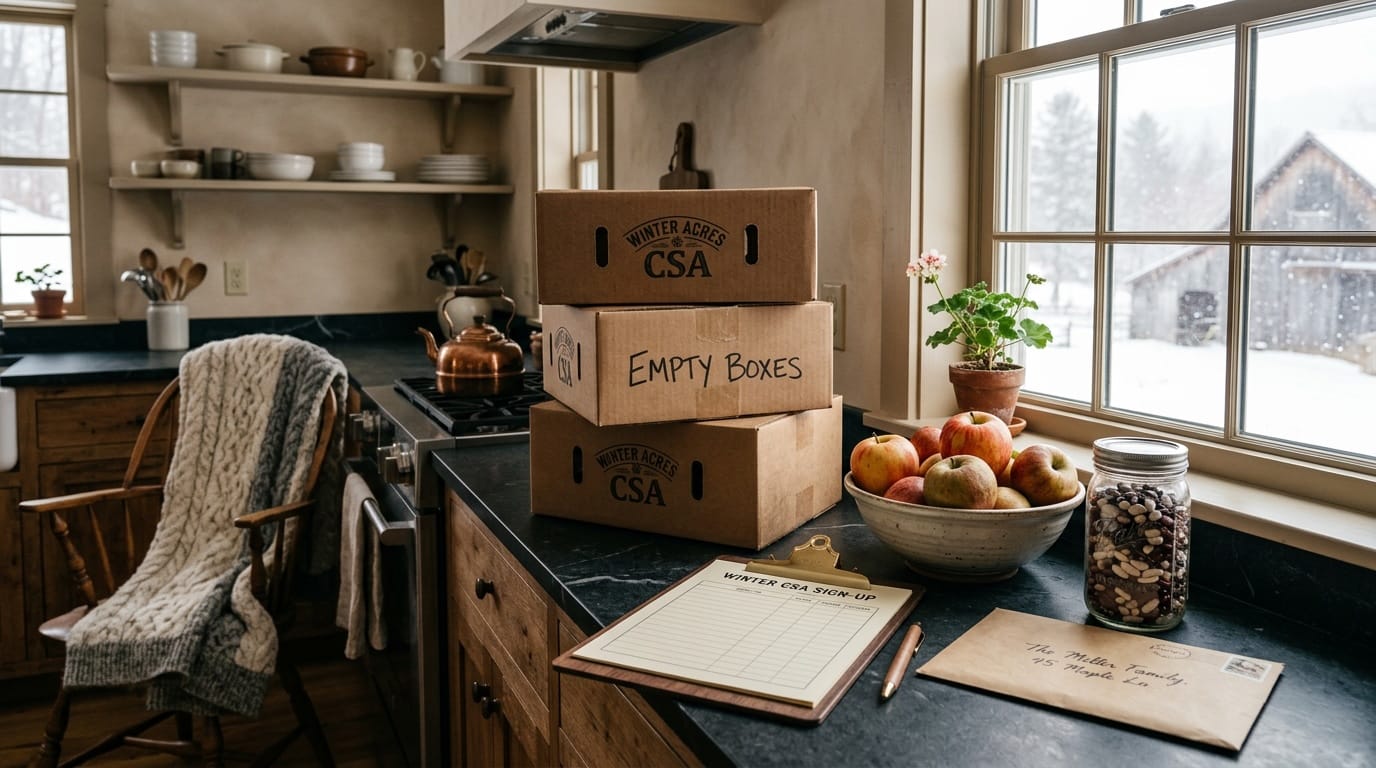
The last pickup is done, the walk-in is half empty and the only thing anyone on the farm wants is a long sleep. Sign-ups can wait until March, surely. Except March is when everyone else opens too, and by then your members have had four months to drift toward another farm. The farms that fill CSA shares before spring tend to do the unglamorous part in November, while the season is still fresh in everyone’s mind.
Here is a calendar, the pricing tools that move people to commit early, and the SNAP details worth sorting out now rather than in April.
Start with the members you already have
Your cheapest new member is last year’s member. North Carolina State Extension’s CSA guide for farmers recommends renewing memberships in the fall and keeping the newsletter going through winter, and it notes that many CSAs lose a large share of their members every season. Every renewal you secure in November is one fewer stranger you have to find in February.
Send renewals within a couple of weeks of the final pickup. Keep the message short: thank them, name one or two things that went well, mention one thing you are changing, and give a clear deadline for their reserved spot.
A sign-up calendar to fill CSA shares before spring
Adjust the months to your climate, but keep the order.
November: returning members. Renewals open with first dibs and the best price you will offer all year.
December: the warm list. Open early-bird pricing to your waitlist, your email list and your market regulars. A share makes a good holiday gift, so say so.
January: the public. Announce widely, with the early-bird price ending on a named date.
February to March: last spots. Standard pricing, then close sign-ups when the crop plan is full. Do not sell shares your fields cannot fill.


The people most likely to say yes are the ones who already know your food. If your list is thin, our guide to building an email list was written for food makers, and every idea in it works at a farm stand or a market table.
Early-bird pricing that pays for itself
Utah State University Extension describes the common approach in its CSA pricing fact sheet: a discount for paying up front, often tied to a deadline after which the price rises. The deadline does the real work. Without one, an early-bird price is just a lower price.
Size the discount by asking what winter cash is worth to you. If early money means you can buy seed and supplies without borrowing, a modest discount, say $20 to $40 off a $700 share, can be cheaper than the interest and the stress. If you do not need the cash until April, keep the discount small and lean on first-dibs access instead.
Payment plans and deposits
A $700 payment in December is a real barrier for many households. The USU fact sheet describes installment plans that start with a deposit and continue through the season, and NC State notes that many CSAs offer installments specifically to make shares more accessible to lower-income members.
A workable setup for many farms: a deposit at sign-up that holds the spot, then the balance split into a few monthly payments that finish before or early in the season. Write the policy down. What happens if a payment fails? Is the deposit refundable, and until when? Members trust a farm that has clear answers to those questions.
Some farms also offer sliding-scale prices, work shares or donated shares. NC State mentions all three. They are worth considering if your community includes neighbors who want in but cannot pay a season up front.

Let members choose how they pay
Our CSA tools, now being built with founding farms, will let members pay in full, in installments or with a deposit, and give returning members first dibs and early-bird pricing.
Join the founding farms
Fresh. Local. Sustainable.
SNAP considerations for CSA sign-ups
Accepting SNAP opens your CSA to more of your community, but the rules are different from ordinary card payments. Utah State University Extension’s fact sheet on CSAs accepting SNAP covers the main points:
- You must first be authorized by the USDA Food and Nutrition Service as a SNAP retailer. There is no application fee, but approval can take 45 to 60 days.
- SNAP cannot pay for deposits, membership, delivery or administrative fees.
- Benefits can only be charged close to each pickup, not for a whole season in advance.
- Do not charge SNAP for a share the member never collected.
The exact timing rules depend on how your CSA is set up, and guidance has changed over the years, so confirm your plan with the Food and Nutrition Service before you publish it. If you also sell at a market, our guide to accepting SNAP at your booth covers the equipment side.
Given that approval window, a farm that wants SNAP members for a spring start should apply in winter.
What your sign-up page needs
Whatever you use to take sign-ups, make sure a stranger can answer these questions in under a minute: how many weeks, what a typical box holds, the price of each share size, where and when pickup happens, how payment works, and what happens if they miss a week. Add two or three photos of real boxes from this season.
Then send people to it personally. Our CSA guide makes the point that a direct invitation to people who already know you converts far better than a public post. That is just as true in year five as it is in year one.

Keep reading
More from the market

How Much to Charge for Pies at the Holidays (A Real Apple Pie Cost Breakdown)
How much to charge for pies this holiday season? We cost six all-butter apple pies line by line, from apples to boxes…
Read more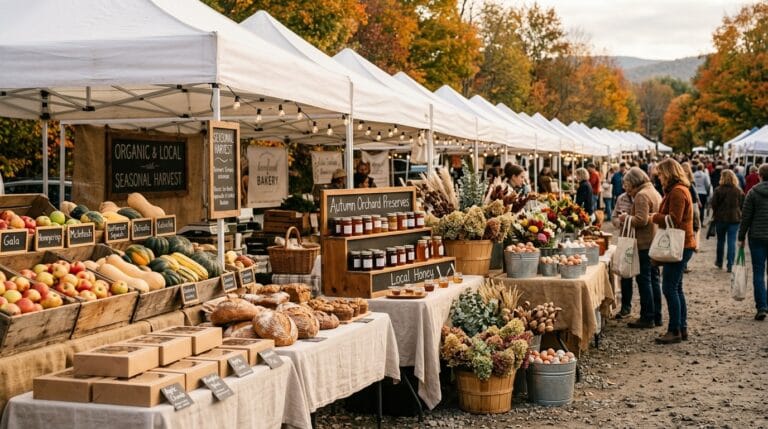
How to Recruit Vendors for Your Farmers Market (and Keep Them Coming Back)
How to recruit vendors for a farmers market: find the gaps in your mix, know where farmers and home bakers look, pitch…
Read more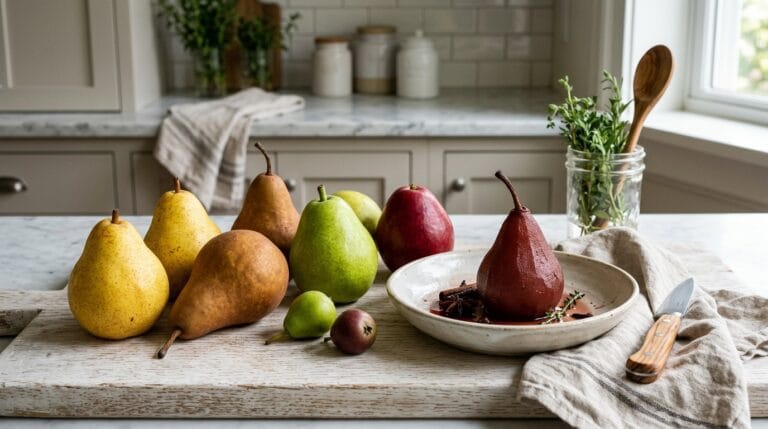
The Farmers Market Pear Guide: Which Variety to Buy for Eating, Baking, and Poaching
Which pear to buy for eating, baking and poaching, how to ripen pears at home after the market, and the one question…
Read more