Florida Cottage Food Law 2026: The $250,000 Opportunity You Might Not Know About
Florida quietly became one of the most cottage-food-friendly states with a $250K income cap and no registration required. Here's everything you need to know to start selling.
 1 min read
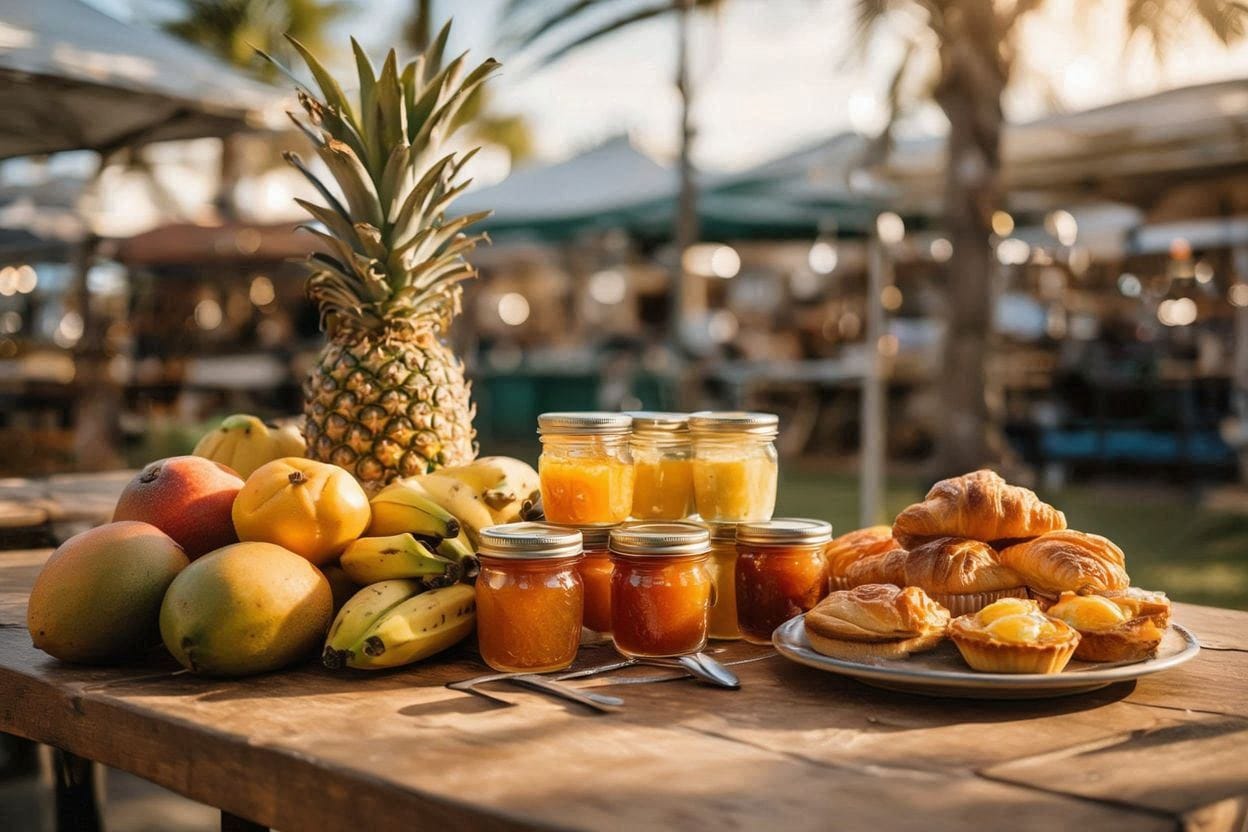
If you're a baker, jam maker, or any kind of food producer in Florida, pay close attention: your state just handed you something most makers across the country are dreaming about.
Florida's cottage food law used to cap home food makers at $15,000 annually. That was barely worth the effort—more of a permission slip than a real business opportunity. Not anymore.
As of 2026, that cap expanded to $250,000 annually. No registration required. No permits. No inspections. Just you, your kitchen, your food, and your customers.
This is the kind of shift that changes lives. And a lot of Florida makers don't know it happened yet.
What You Can Sell in Florida
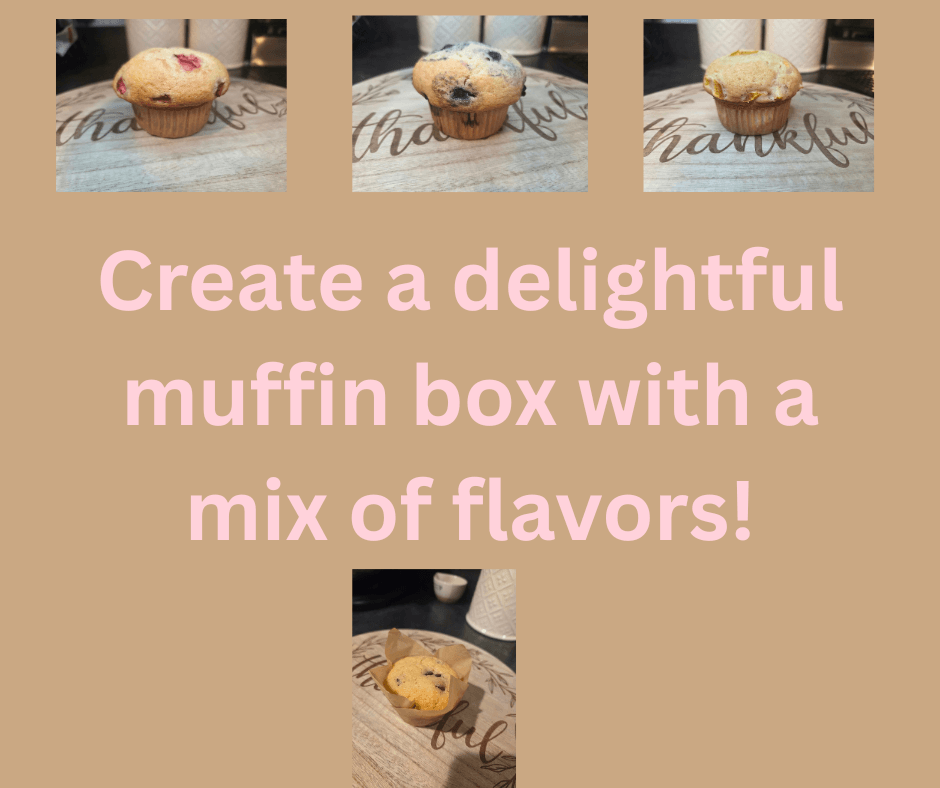
- Baked goods: breads, cookies, cakes (without cream or custard filling), muffins, fruit pies, pastries
- Jams, jellies, and fruit butters
- Granola and cereal mixes
- Dried fruits and herbs
- Candy and confections (fudge, hard candy, taffy, chocolate-dipped items)
- Honey and honey products
- Roasted nuts
What You Cannot Sell
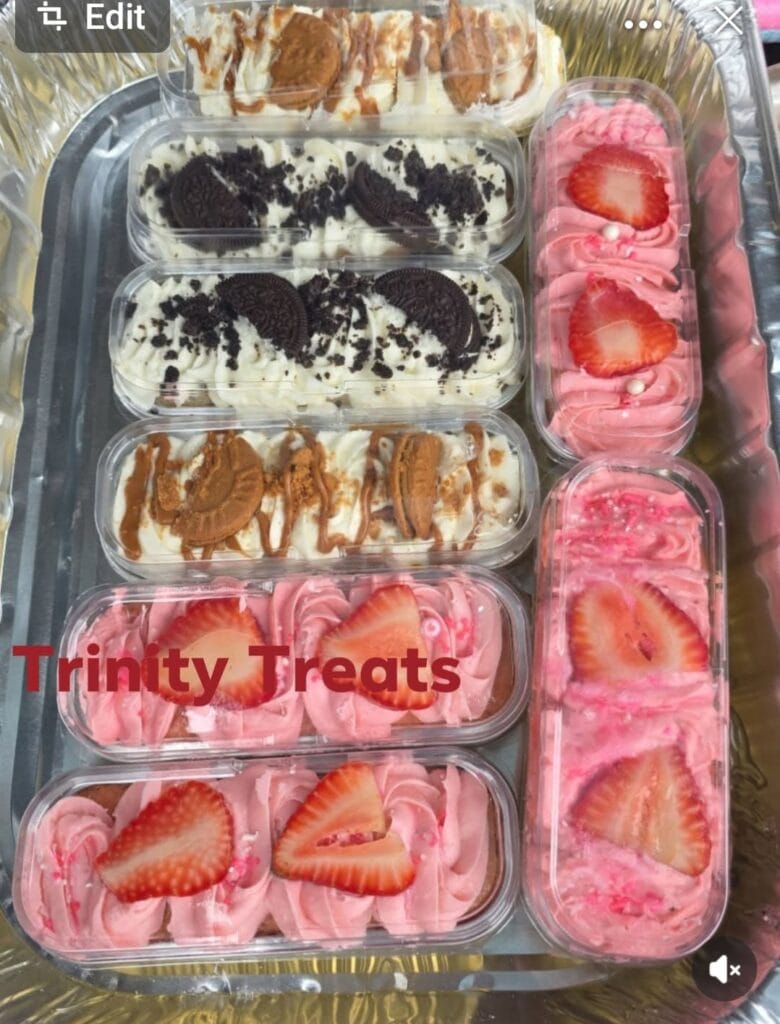
- Anything requiring refrigeration (cream pies, cheesecakes, custard-filled pastries, cream cheese frosting items)
- Meat, poultry, or seafood
- Dairy products (milk, yogurt, cheese, butter)
- Cut, fresh produce
- Ice cream, gelato, or frozen desserts
Registration? Inspection? License? None Required.
This is where Florida stands apart. No registration. No permits. No inspections. No fees. The state is extending trust to home food makers and saying: go build.

This doesn't mean carelessness is fine—you still need to handle food safely, label correctly, and keep a clean kitchen. But you have freedom and trust that makers in most other states don't have.
Labeling Requirements
- Your name and address (where the food was made)
- Product name and ingredient list
- Net weight or volume
- Allergen information (if applicable)
- Required statement: "Made in a cottage food operation that is not subject to Florida's food safety regulations"
Where You Can Sell
Direct from your home, farmers markets, community events and festivals, online (with direct-to-consumer delivery or shipping within Florida). Note: no wholesale. You cannot sell to restaurants, retail stores, or distributors. This is direct-to-consumer only—but that means you keep all the profit and own your customer relationships.
What $250K Actually Makes Possible
At $250K cap, a part-time baker selling $3,500/month is doing $42K annually—well within range. A serious maker hitting $6K/month is at $72K and still has a lot of runway. This is real-business territory, not hobby territory. With zero registration and no permits, the only thing standing between you and that number is making great food and finding your customers.
Your Action Plan for Florida
- Choose your product from the allowed list.
- Perfect your recipe—test, refine, test again.
- Design your label with all required information.
- Consider taking a food handler course (not required by state law, but genuinely useful and confidence-building).
- Sell to friends and family first—get real feedback.
- List your products on Butter & Sage Market and reach local buyers actively searching for what you make.
You're in a state that believes in you. The law gives you the space. Butter & Sage Market gives you the audience. The rest is up to you.
For more information visit Florida Department of Agriculture Cottage Foods
⚠ Legal Disclaimer: This post is for informational purposes only and is not legal advice. Cottage food laws change frequently — always check your state's current statutes or consult a local attorney before starting your food business.

Keep reading
More from the market
Can You Ship Cottage Food? The State-by-State Breakdown for 2026
Can you mail your cottage food products? The short answer is: it depends on your state. Here's the full 2026 breakdown of…
Read more
Georgia Cottage Food Laws 2026: No License Fee, Retail Sales Now Legal, and How to Start
Georgia eliminated its cottage food license fee and opened retail and restaurant sales in 2025 — and 2026 is your first full…
Read more
Food Freedom States 2026: Where Cottage Food Laws Go the Furthest
Nine states have passed food freedom laws that go far beyond standard cottage food rules — no permits, no sales caps, and…
Read more