
Indiana Cottage Food Law 2026: No License, No Sales Cap — and Yes, You Can Ship
Indiana's cottage food law is one of the most flexible in the country: no license, no sales cap, and online shipping within the state is allowed. Here's what home bakers need to know.
 1 min read
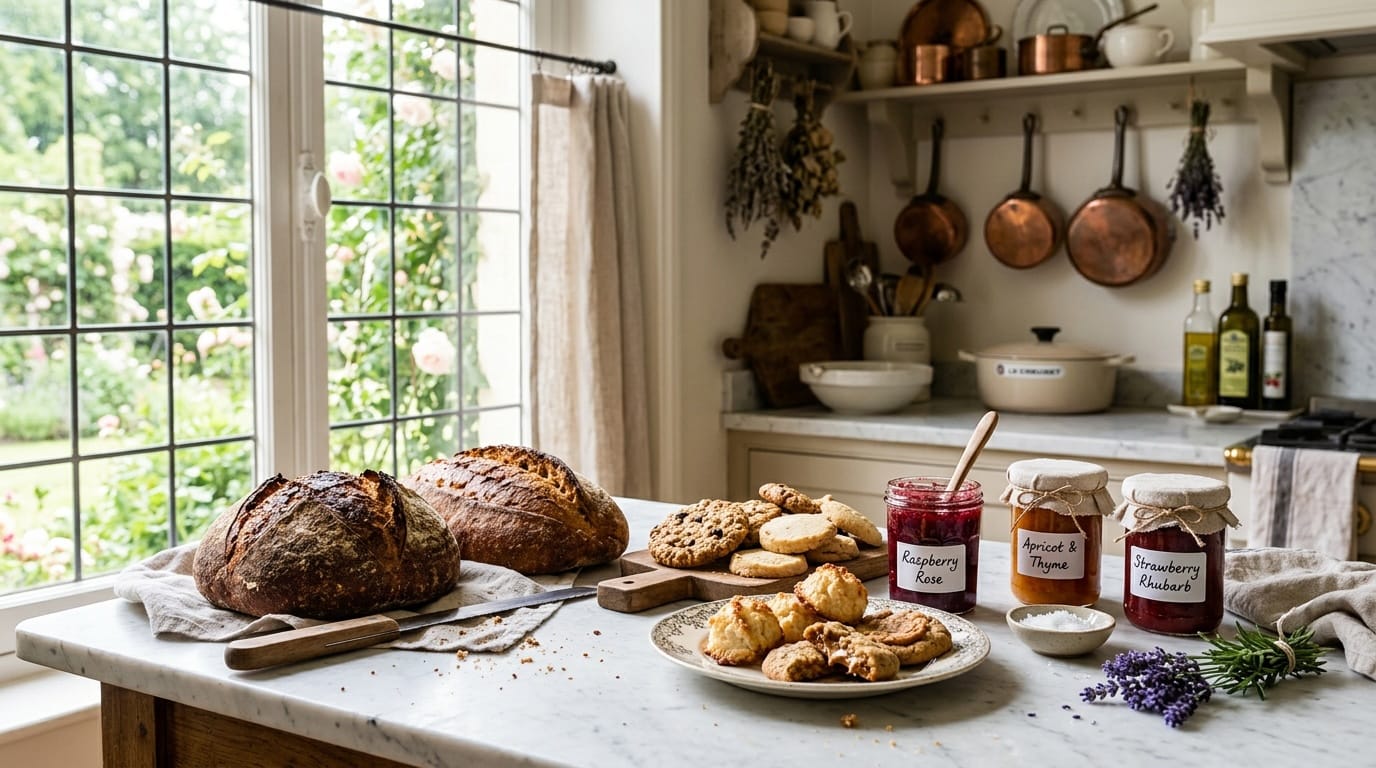
Here's something that might genuinely make your week: if you want to start a home-based food business in Indiana, there is no license, no permit, no sales cap, and you can even ship your products within the state. Indiana is one of the most home-baker-friendly states in the country, and not enough people know it.
No License, No Permit — But You Do Need One Certificate
Indiana's cottage food rules operate under the Home Based Vendor (HBV) statute. There's no food handler license, no commercial kitchen requirement, and no government inspection of your home kitchen. What the law does require is an ANSI-accredited food handler certificate — a training course covering food safety basics like safe temperatures, preventing cross-contamination, and proper handling practices. You can complete it online in a few hours, and once you have it, you're legally authorized to start selling. Think of it as a one-time homework assignment that puts your business on solid legal footing.
No Sales Cap: Earn As Much As Your Kitchen Can Handle
Indiana places no annual revenue limit on home-based food vendors. There's no ceiling on what you can earn — if demand grows, you're free to grow with it. This is a meaningful distinction from states like Kentucky ($60,000 annual cap) or Colorado ($10,000 cap). Indiana's approach reflects a genuine trust in home food producers: the law does not penalize your success.
What You Can (and Can't) Sell
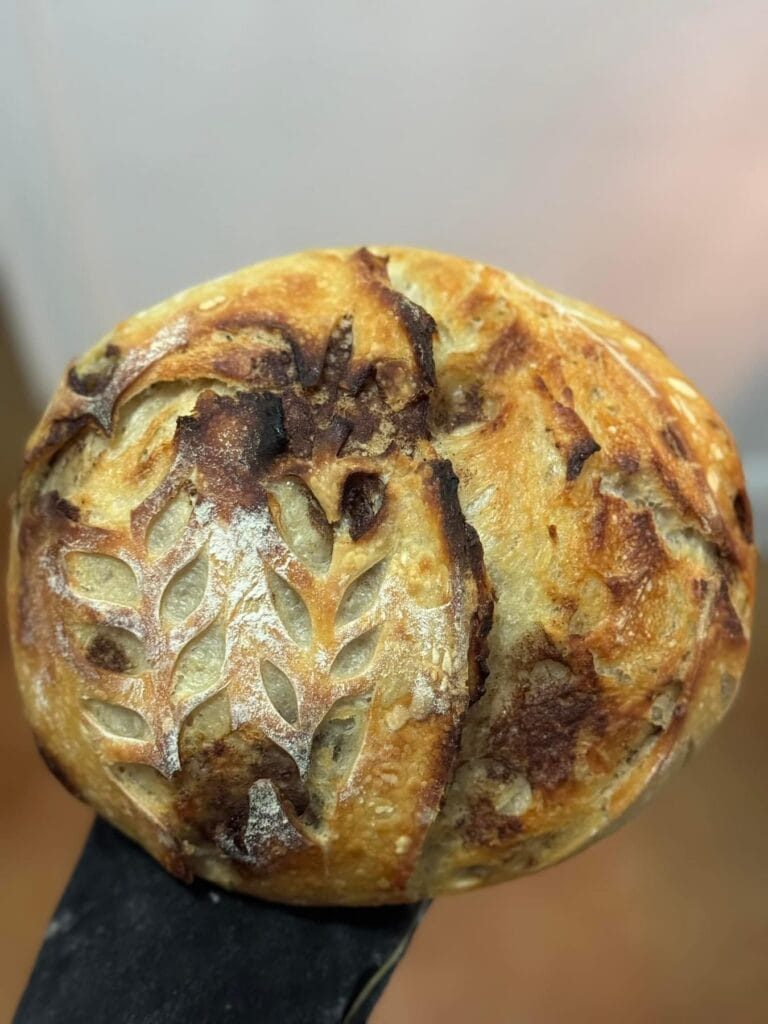
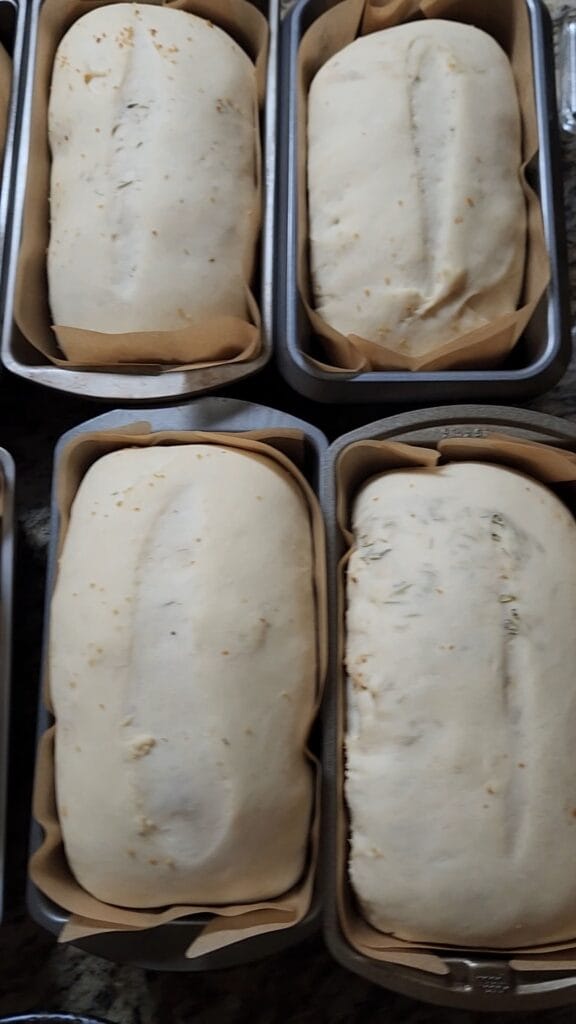
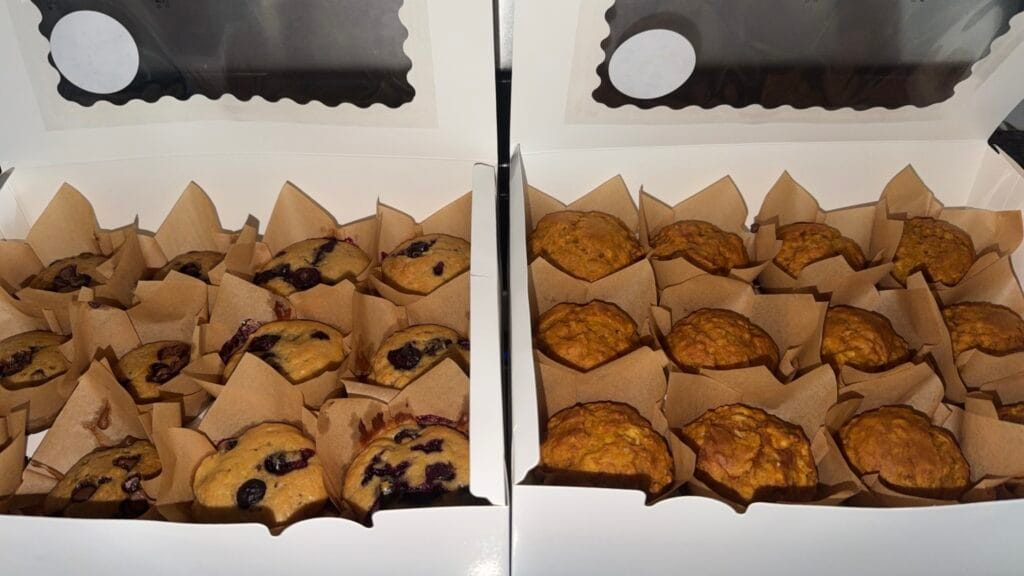
Indiana's cottage food law covers non-potentially hazardous foods that do not require refrigeration to stay safe: baked goods like cookies, cakes, cupcakes, yeast breads, and fruit pies (not cream or custard pies), along with candy, granola, roasted nuts, dried herbs, and shelf-stable jams and jellies made with high-acid fruits. The core question: does this product need to stay cold to be safe? If yes, it falls outside cottage food protections and requires a licensed commercial kitchen.
Where You Can Sell — Including Online and Shipped Orders
Indiana allows home-based vendors to sell at farmers markets, roadside stands, community events, and directly from home. What makes Indiana particularly forward-thinking is that it explicitly allows online sales and shipping within the state — a provision many states still have not extended to cottage food producers. This means you can set up a shop page, take pre-orders, and ship to Indiana customers without any legal complications.
Labeling Requirements
Every product you sell must include on a permanently attached label: your full name and home address, the product name, a complete ingredient list in descending order by weight, all major allergens per FDA standards, net weight or volume, and this required statement: This product is home-produced and processed and is not inspected by the State Department of Health.
For official guidance and current requirements, visit the Indiana Department of Health Home Based Vendor page.

⚠ Legal Disclaimer: This post is for informational purposes only and is not legal advice. Cottage food laws change frequently — always check your state's current statutes or consult a local attorney before starting your food business.

Keep reading
More from the market
Can You Ship Cottage Food? The State-by-State Breakdown for 2026
Can you mail your cottage food products? The short answer is: it depends on your state. Here's the full 2026 breakdown of…
Read more
Georgia Cottage Food Laws 2026: No License Fee, Retail Sales Now Legal, and How to Start
Georgia eliminated its cottage food license fee and opened retail and restaurant sales in 2025 — and 2026 is your first full…
Read more
Food Freedom States 2026: Where Cottage Food Laws Go the Furthest
Nine states have passed food freedom laws that go far beyond standard cottage food rules — no permits, no sales caps, and…
Read more