Minnesota Cottage Food Law 2026: Sell Up to $78K From Your Home Kitchen
Minnesota's cottage food law lets you sell up to $78,000 in homemade baked goods, jams, and more from your home kitchen — no commercial license required. Here's everything you need to know for 2026.
 1 min read
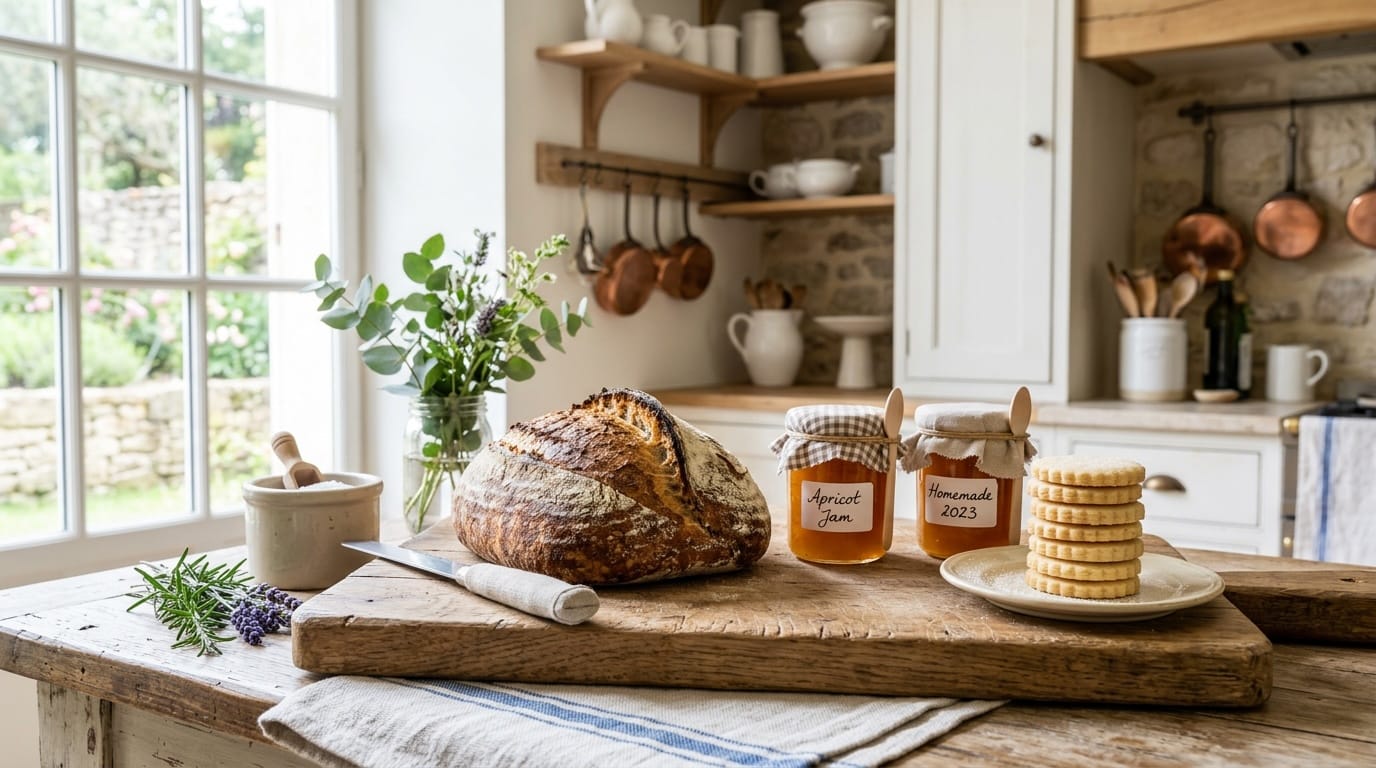
You've perfected your sourdough, your wildflower honey granola has a waiting list at the Saturday market, and your friends have been saying "you should sell this" for at least two years. If you're in Minnesota and wondering whether you can legally turn that kitchen talent into real income — the answer is yes, and it's more approachable than you might expect.
Minnesota's cottage food law was written for exactly the kind of person you are: a baker, a jam maker, a pickle devotee, someone whose kitchen smells unbelievably good on a Saturday morning. Here's everything you need to know to start selling the right way in 2026.
What Is the Minnesota Cottage Food Law?
The Minnesota Cottage Food Exemption — first enacted in 2015 and updated several times since — allows individuals to produce and sell certain non-potentially hazardous foods from a home kitchen without a commercial food license. No inspected commercial space required. No food establishment permit. No crushing overhead before you make a single sale.
You do need to register with the Minnesota Department of Agriculture (MDA) before you start selling, and there are training requirements depending on your sales volume. But the law was designed to be accessible — Minnesota genuinely wants local food businesses to thrive.
The Two-Tier System: How Much Can You Earn?
Minnesota uses a two-tier structure based on annual gross sales — and it's one of the more thoughtful setups in the country:
Tier 1 — Up to $7,665/year: Complete a free online training course and exam through the MDA, register with the department, and you're cleared to sell. No fee at this level — just your time and your homemade goods.
Tier 2 — $7,666 to $78,000/year: Complete an approved food safety course (required once every three years while actively selling), pay a $50 annual registration fee, and keep your training current. The $78,000 cap is one of the most generous limits in the country — plenty of room to build a meaningful side income or a full-time food business without jumping to a commercial kitchen right away.
Important note: Minnesota passed updates to the cottage food law in 2025 that will take effect on August 1, 2027. Keep an eye on the MDA's official guidance page as that date approaches — the rules may become even more favorable for home food producers.
What Foods Are Allowed in Minnesota?
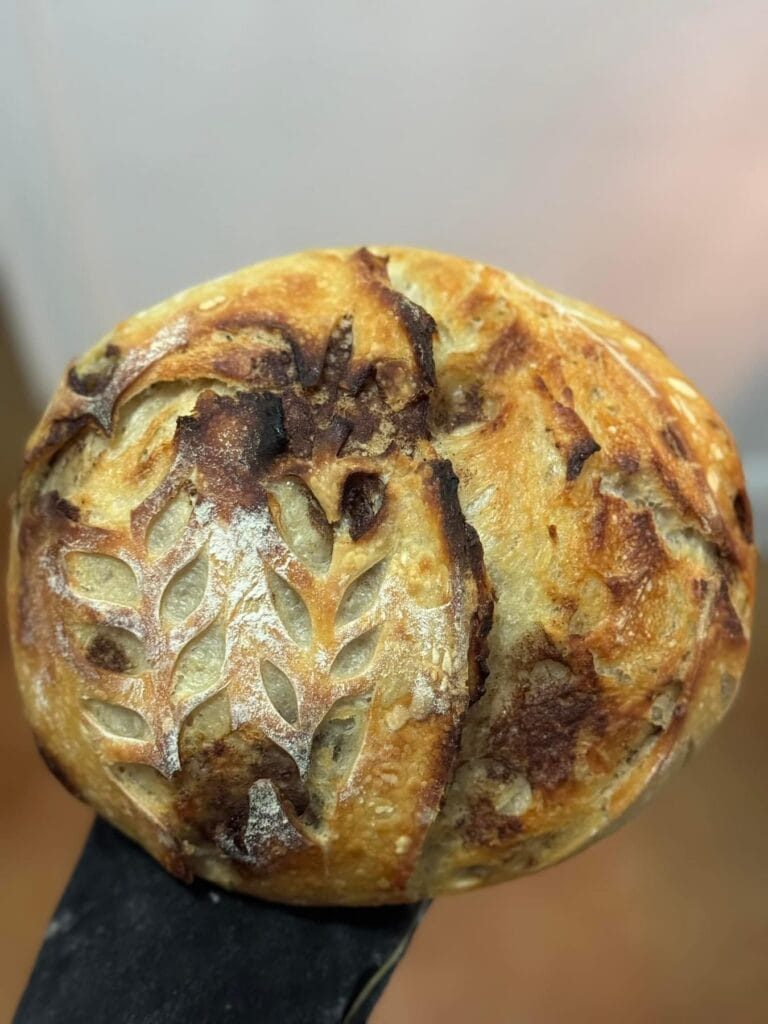
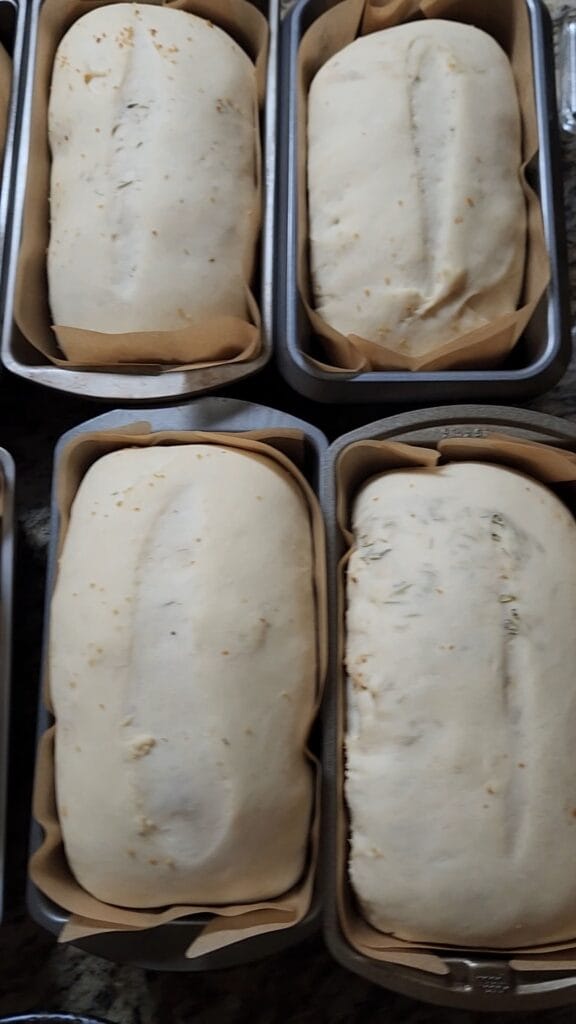
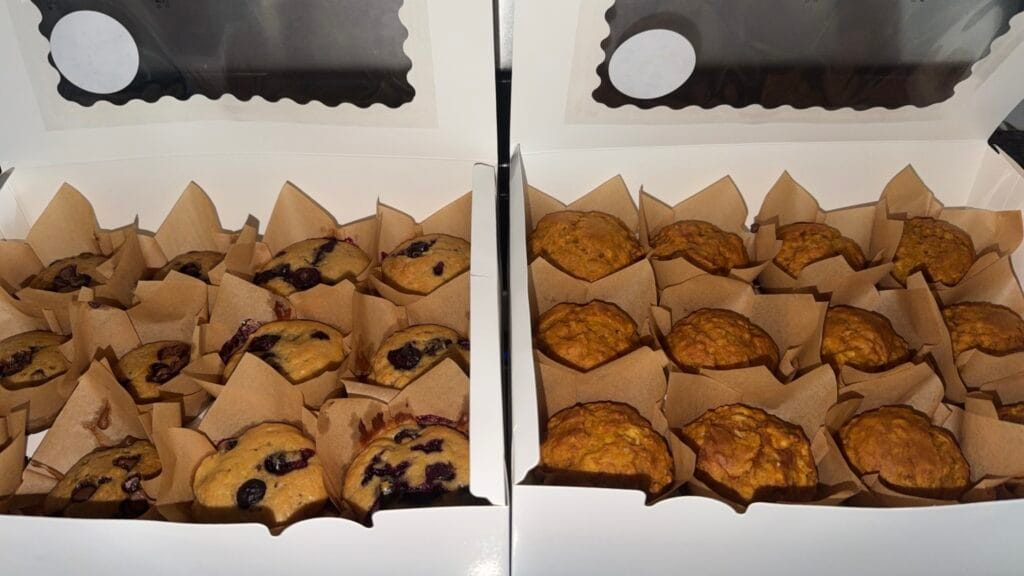
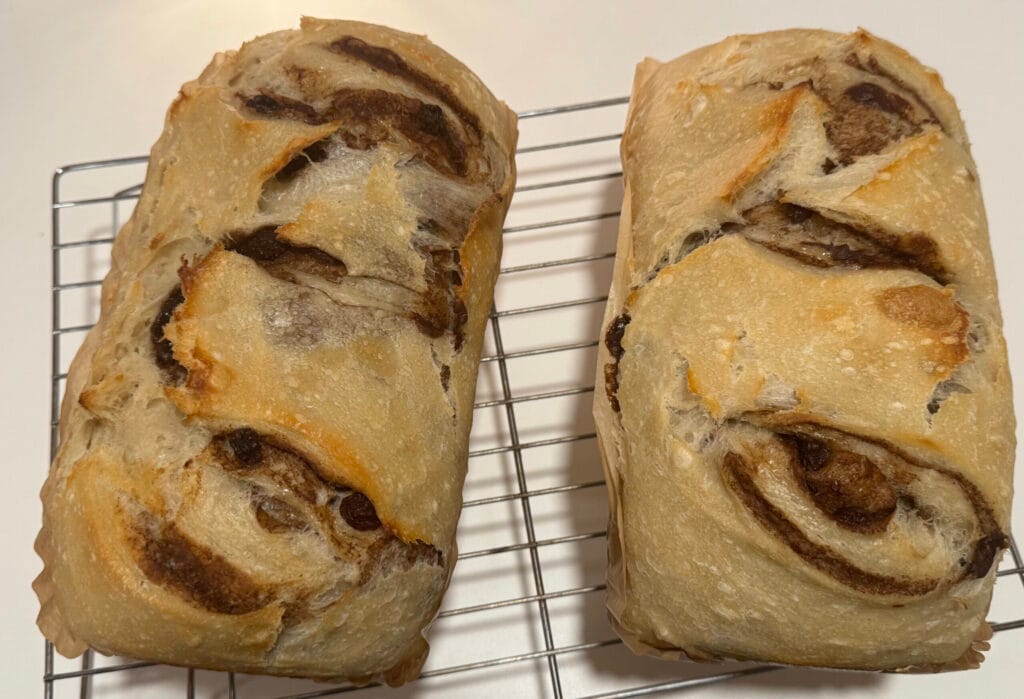
The law covers "non-potentially hazardous" foods — shelf-stable items that don't require refrigeration to stay safe. Popular products include baked goods (breads, cookies, cakes, muffins, pies), jams and jellies, home-canned pickles and vegetables (with a pH of 4.6 or lower), dried herbs and spice blends, granola and trail mix, and candy and confections.
Here's a delightful Minnesota-specific bonus: home-processed pet treats for dogs and cats are also allowed. If your pup is the family's most enthusiastic taste-tester, there's a legitimate business angle there.
What isn't covered: meat, poultry, fish, unbaked eggs, and anything that requires refrigeration to remain safe. When you're unsure about a product, check the MDA guidance — they provide clear details on pH and water activity thresholds.
Where Can You Sell?
Minnesota gives cottage food producers solid flexibility on where and how they sell. You can sell from your private home, at farmers markets and community events, and on the internet — as long as you deliver directly to the customer yourself. The key rule: the producer or their employee must be physically present during the sale or delivery. No third-party shipping services.
Combining an online shop with a farmers market presence is a natural fit under this law — and exactly the kind of hybrid model that lets your neighbors find you seven days a week, not just on Saturday mornings.
Labeling Requirements
Every product you sell needs a compliant label with your name and home address, the product name, a complete ingredient list (in descending order by weight), allergen information, and this required statement: "This product is made in a home kitchen that is not subject to state inspection."
Good labeling is table stakes for any professional food business. Invest in clean, legible labels from day one — it builds trust, keeps you compliant, and makes your products look like the premium items they are.
How to Get Started
The path to legally selling cottage food in Minnesota is genuinely straightforward: complete your training → register with the Minnesota Department of Agriculture → label your products correctly → start selling. That's it. Your community is looking for what you make — they just haven't found your table yet.

— Amy
For more information visit the Minnesota Department of Agriculture Cottage Food Law Guidance website.
⚠ Legal Disclaimer: This post is for informational purposes only and is not legal advice. Cottage food laws change frequently — always check your state's current statutes or consult a local attorney before starting your food business.

Keep reading
More from the market
Can You Ship Cottage Food? The State-by-State Breakdown for 2026
Can you mail your cottage food products? The short answer is: it depends on your state. Here's the full 2026 breakdown of…
Read more
Georgia Cottage Food Laws 2026: No License Fee, Retail Sales Now Legal, and How to Start
Georgia eliminated its cottage food license fee and opened retail and restaurant sales in 2025 — and 2026 is your first full…
Read more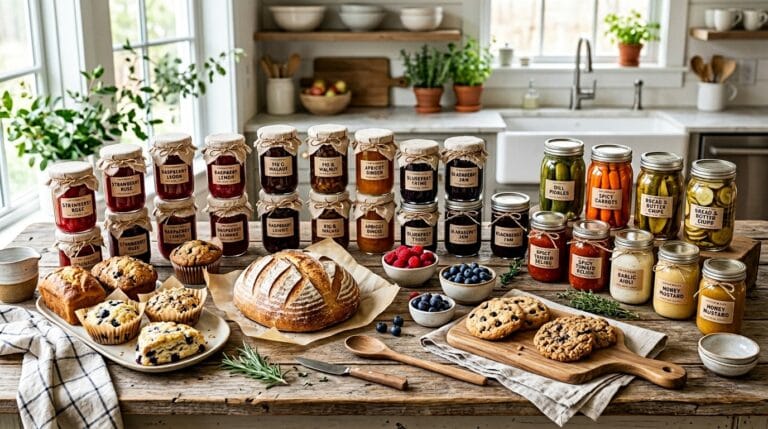
Food Freedom States 2026: Where Cottage Food Laws Go the Furthest
Nine states have passed food freedom laws that go far beyond standard cottage food rules — no permits, no sales caps, and…
Read more