New Jersey Cottage Food Law 2026: Your $50K Home Kitchen Business Starts Here
New Jersey's cottage food law lets you sell up to $50,000 in homemade food from your home kitchen. Here's exactly what the permit requires, what you can sell, and how to get started in 2026.
 1 min read
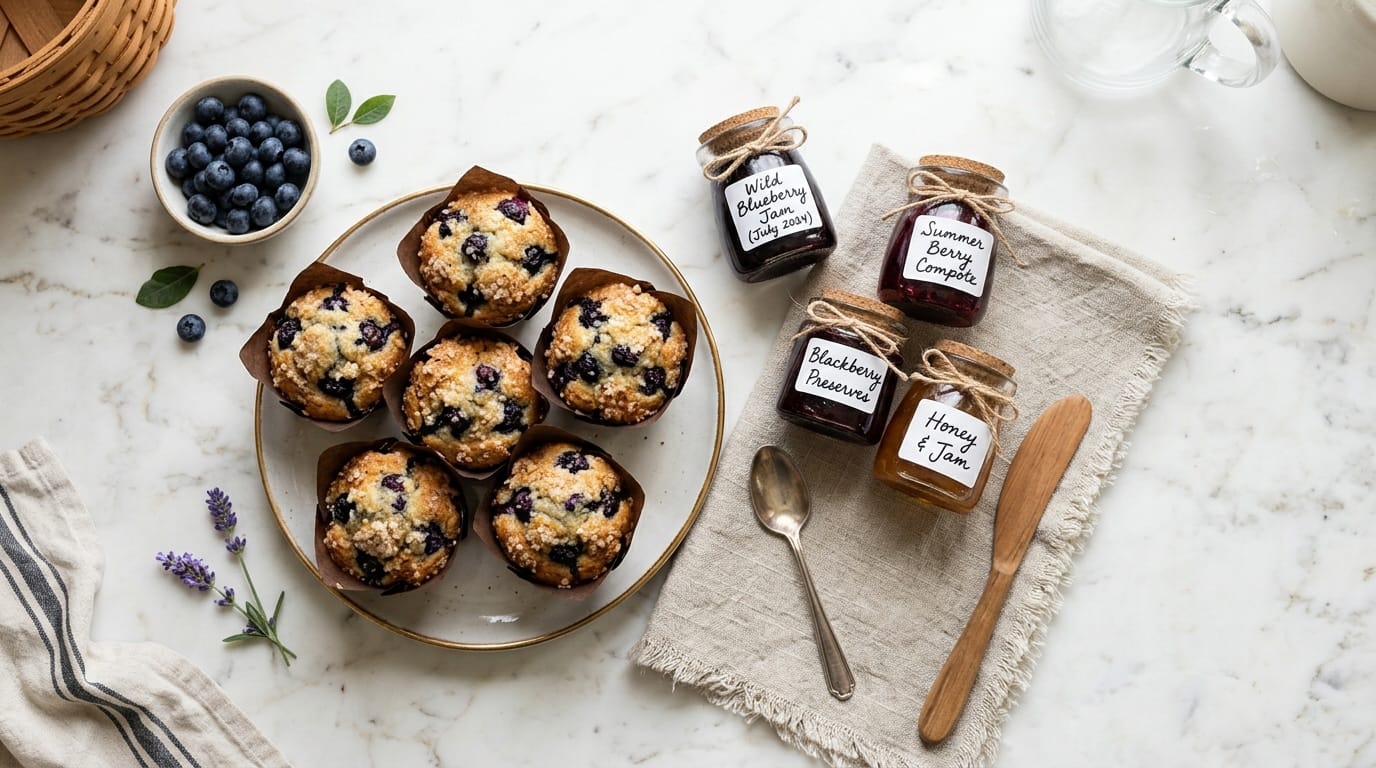
New Jersey has one of the most densely populated farmers market cultures on the East Coast, and the homemade food scene is right there with it. If you've been dreaming about turning your kitchen creations into a real business — your legendary blueberry muffins, that fig jam everyone asks about, the shortbread you make at the holidays — New Jersey's cottage food law has a clear, legal path for you.
It requires a bit more upfront than some states (looking at you, Missouri), but it's absolutely doable. Here's what you need to know for 2026.
What Is New Jersey's Cottage Food Law?
New Jersey's cottage food law allows individuals to produce and sell certain non-perishable, homemade foods through a Cottage Food Operator's Permit issued by the New Jersey Department of Health. This permit lets you legally sell from your home kitchen without the costs and requirements of a fully licensed commercial food facility.
The law covers direct-to-consumer sales only — no selling to grocery stores, restaurants, or distributors. But it does allow you to sell at your home, at customers' homes, and at farmers markets and farm stands, which is where most New Jersey cottage food producers build their audience anyway.
What Can You Sell?
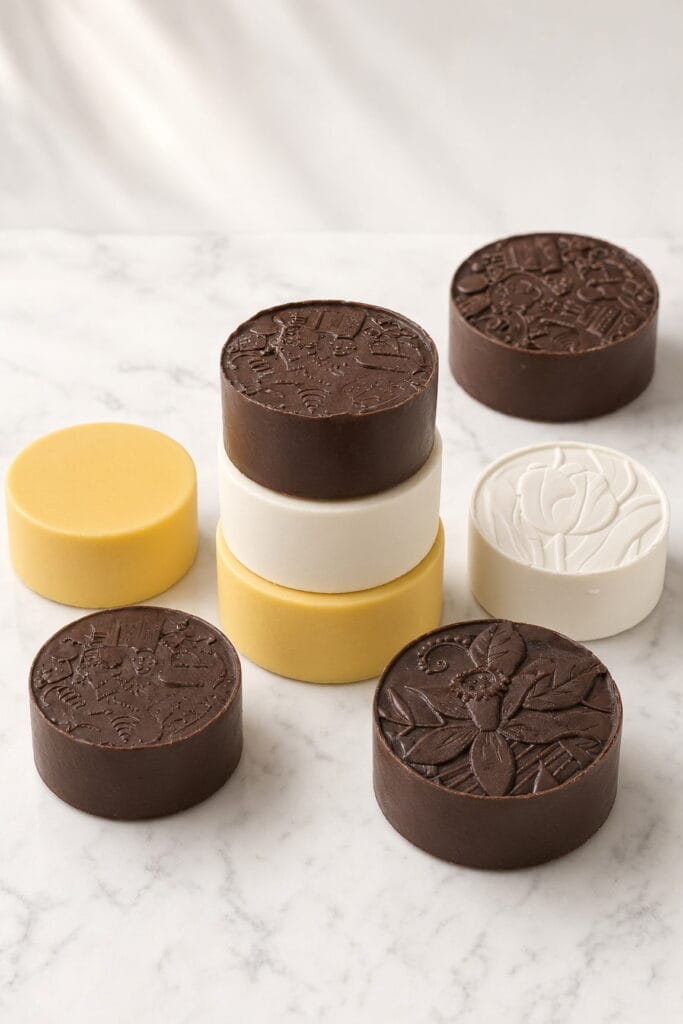
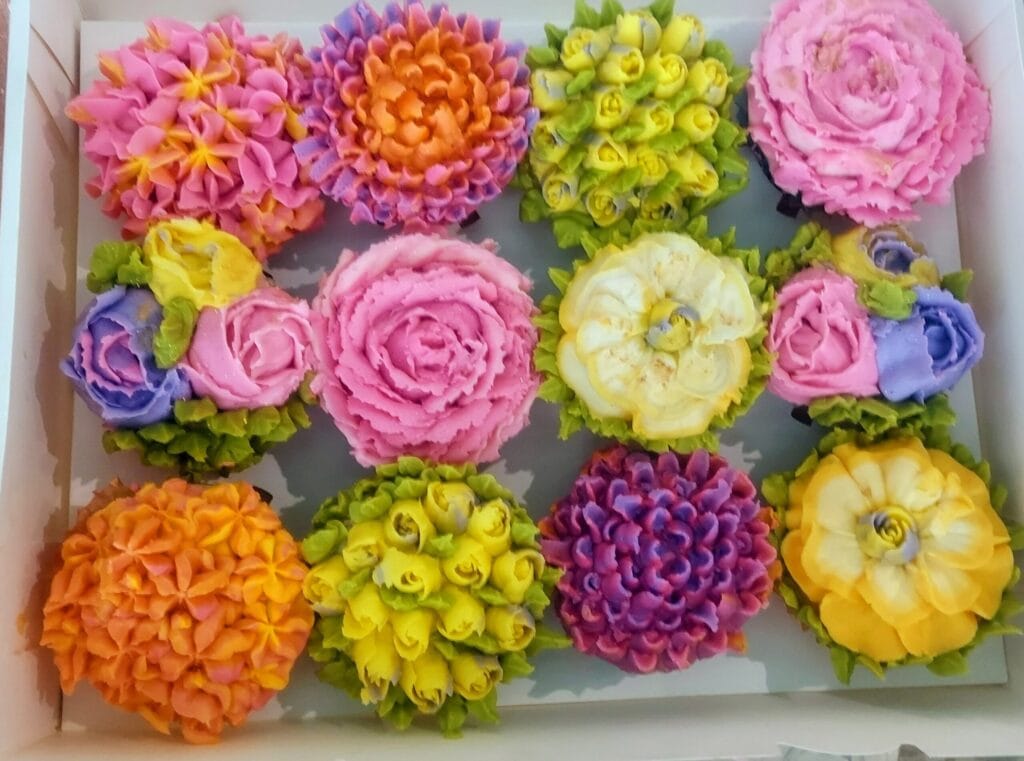
New Jersey's approved product list is generous. You can sell baked goods (breads, rolls, cakes, cupcakes, cookies, pastries), jams, jellies, and preserves, fruit pies and empanadas, candy and fudge, granola and trail mix, dry baking mixes, dried pasta, dried herbs and seasonings, nut butters, honey, roasted coffee, popcorn and caramel corn, vinegar, mustard, and more.
The common thread: everything on the approved list is shelf-stable and doesn't require refrigeration to stay safe. If your product needs to be kept cold to be safe, it's not covered under the cottage food permit.
How Much Can You Earn?
New Jersey's cottage food law caps annual gross sales at $50,000 per year. That's a solid ceiling for a home-based food business — enough to generate meaningful income while you're figuring out whether you want to eventually scale into a licensed commercial operation.
What Are the Requirements?
New Jersey has a few more requirements than some other states, but they're all manageable:
Certified Food Protection Manager (CFPM) certification: This is the big one. You must hold a valid CFPM certification before you can apply for your cottage food permit. The certification involves a food safety manager training course and exam — expect to spend roughly $150–$200 total for training and testing, and budget a few days to prepare. Once you have it, you're set for several years before renewal.
Cottage Food Operator's Permit: Apply through the NJ Department of Health. The permit fee is $100 and it's valid for two years, so you'll renew every other year. Before applying, check with your local zoning board to confirm that operating a cottage food business from your home address is permitted in your zone — this is an NJ-specific step that catches some people off guard.
Water potability proof: New applications require proof of water potability (a water test result). Updated proof is required at every renewal, so keep your test results on file.
Labeling Requirements
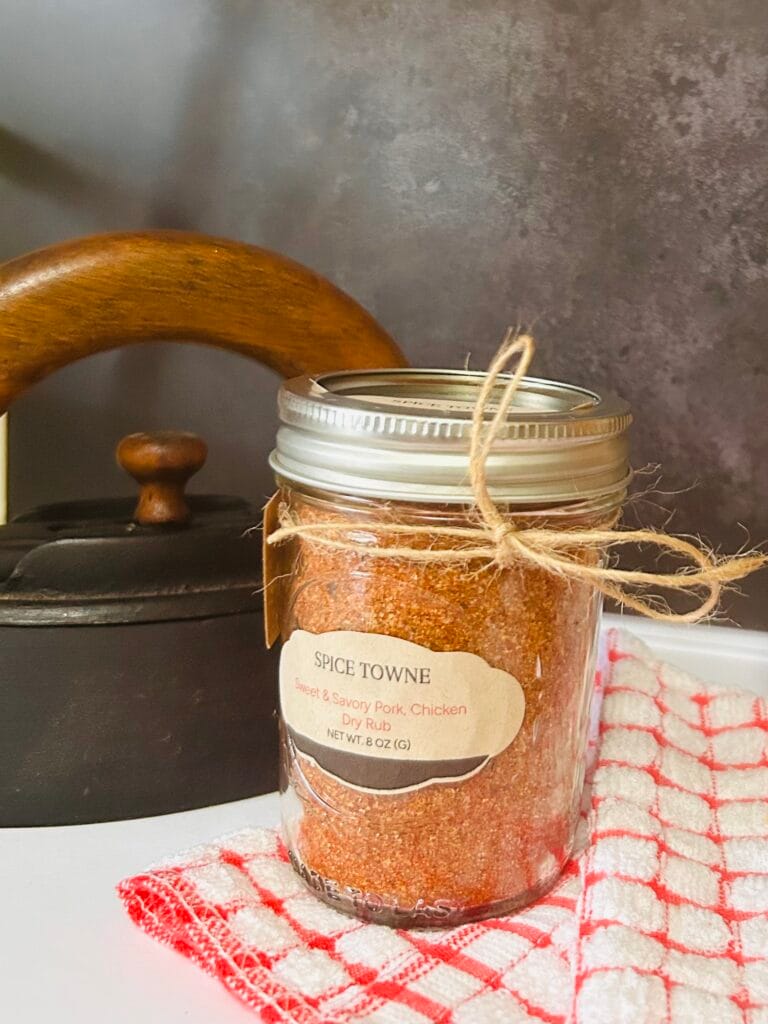
Every product you sell must be properly labeled with your name and the municipality and state where you operate (e.g., "Montclair, New Jersey" or "Montclair, NJ"), the product name, a complete ingredient list, allergen information, net weight, and a statement that the product was made in a home kitchen. New Jersey also requires your label to include this: "This product was made in a home kitchen not inspected by the State or local health department."
Clean, professional labeling is worth the investment. It signals to market shoppers that you're running a legitimate, thoughtful business — because you are.
Where Can You Sell?
Under New Jersey's cottage food permit, you can sell from your home, at customers' homes, and at farmers markets and farm stands. You cannot ship products through common carriers like USPS, FedEx, or UPS — all sales must be in-person, direct to the consumer.
The farmers market channel is particularly strong in New Jersey, where weekly markets attract loyal, quality-conscious shoppers who actively seek out local food makers. Pair that market presence with an online shop where neighbors can find and follow you between market days, and you've got a solid foundation.
How to Get Started
Here's the sequence: get your CFPM certification → check with local zoning → gather your application documents (including water potability proof) → apply for your Cottage Food Operator's Permit through the NJ Department of Health → label your products → start selling. The upfront steps take a few weeks, but once you're through them, you're cleared to build something real.

— Amy
For more information visit the New Jersey Department of Health Cottage Food Operator's Permit website.
⚠ Legal Disclaimer: This post is for informational purposes only and is not legal advice. Cottage food laws change frequently — always check your state's current statutes or consult a local attorney before starting your food business.

Keep reading
More from the market
Can You Ship Cottage Food? The State-by-State Breakdown for 2026
Can you mail your cottage food products? The short answer is: it depends on your state. Here's the full 2026 breakdown of…
Read more
Georgia Cottage Food Laws 2026: No License Fee, Retail Sales Now Legal, and How to Start
Georgia eliminated its cottage food license fee and opened retail and restaurant sales in 2025 — and 2026 is your first full…
Read more
Food Freedom States 2026: Where Cottage Food Laws Go the Furthest
Nine states have passed food freedom laws that go far beyond standard cottage food rules — no permits, no sales caps, and…
Read more