South Carolina Cottage Food Law 2026: No License, No Cap, and One of the Few States That Lets You Go Wholesale
South Carolina's cottage food law has no sales cap, no license requirement, and rare wholesale rights. Here's everything home bakers need to know in 2026.
 1 min read
South Carolina does not get nearly enough credit in the cottage food world. While everyone talks about Texas and its $150,000 cap or Oregon and its $50,000 exemption, South Carolina quietly offers something most states do not: no sales cap, no license required, and — remarkably — the ability to sell wholesale to retail stores. If you are a home baker in the Palmetto State, you are operating under one of the most business-friendly cottage food frameworks in the country.
South Carolina Cottage Food Law: The Basics
South Carolina’s Home-Based Food Production Law allows home cooks and bakers to produce and sell non-potentially-hazardous foods — items that do not require time or temperature control to stay safe — directly to consumers without a license, permit, or state inspection. There is no annual revenue cap on these sales, which means you can grow your business as large as your home kitchen can sustain without hitting a ceiling that forces you to move.
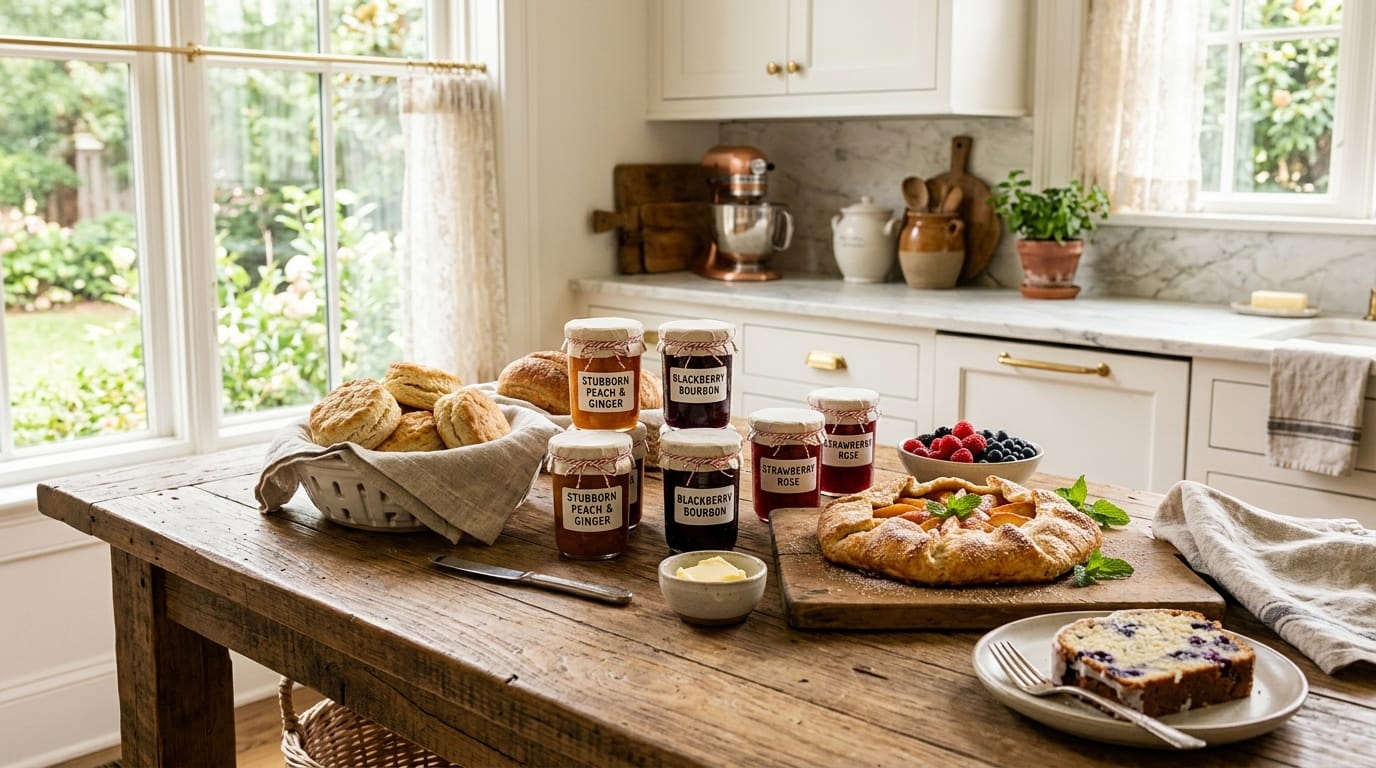
Allowed products include baked goods, candies, jams and jellies, dried herbs and spices, roasted nuts, popcorn, granola, and similar shelf-stable items. Products requiring refrigeration — cheesecakes, cream-filled pastries, and most savory items with meat or dairy — are not permitted under this exemption.
The Feature That Makes South Carolina Stand Out: Wholesale Is Allowed
Most states restrict cottage food sales to direct-to-consumer only. South Carolina is one of a small handful of states that allows home-based food producers to sell wholesale to retail stores — meaning you can approach a local specialty grocery, boutique gift shop, or farm stand and ask them to carry your products without needing a commercial kitchen license first. That is a genuinely significant business opportunity that most home bakers in other states simply do not have access to.
A few important notes: you must still sell only within South Carolina. Shipping products to customers in other states is considered interstate commerce and requires a different set of federal permits. And while the state does not require registration, some South Carolina counties or municipalities may require a general local business license — check with your county before selling.
Labeling Requirements
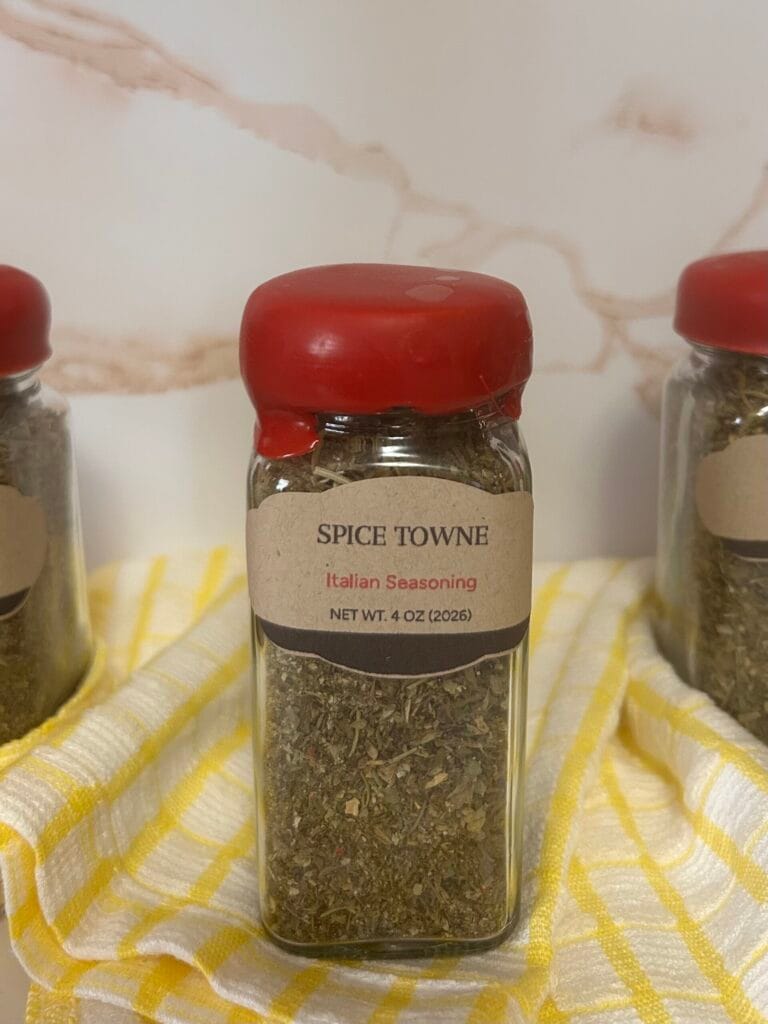
South Carolina requires a specific label statement in all capital letters on every product you sell. The required language is: “PROCESSED AND PREPARED BY A HOME-BASED FOOD PRODUCTION OPERATION THAT IS NOT SUBJECT TO SOUTH CAROLINA’S FOOD SAFETY REGULATIONS.” Your label must also include the name and address of your home-based operation (or your DHEC official identification number if you have one). Following this labeling requirement exactly is important — it is what keeps you compliant with the law.
What South Carolina Does Not Require
No state registration. No kitchen inspection. No annual fee. No food safety certification (though it is always a good idea). No revenue cap. This means your startup costs for a South Carolina cottage food business are genuinely close to zero — you need ingredients, labels, and a reliable sales channel. That is it.
Getting Started in South Carolina
South Carolina’s framework rewards people who move quickly and sell locally. Farmers markets, community events, pop-up sales from home, and wholesale accounts with local shops are all legal channels. If you want to build an online presence and reach customers beyond your immediate neighborhood, listing your shop on Butter & Sage Market gives you visibility without requiring a commercial license or a tech degree.

For more information, visit the South Carolina Department of Health and Environmental Control website, or the Clemson University Extension Home-Based Food Production guide.
⚠ Legal Disclaimer: This post is for informational purposes only and is not legal advice. Cottage food laws change frequently — always check your state’s current statutes or consult a local attorney before starting your food business.

Keep reading
More from the market
Can You Ship Cottage Food? The State-by-State Breakdown for 2026
Can you mail your cottage food products? The short answer is: it depends on your state. Here's the full 2026 breakdown of…
Read more
Georgia Cottage Food Laws 2026: No License Fee, Retail Sales Now Legal, and How to Start
Georgia eliminated its cottage food license fee and opened retail and restaurant sales in 2025 — and 2026 is your first full…
Read more
Food Freedom States 2026: Where Cottage Food Laws Go the Furthest
Nine states have passed food freedom laws that go far beyond standard cottage food rules — no permits, no sales caps, and…
Read more