Wisconsin Cottage Food Law 2026: No Sales Cap on Baked Goods (And What the Pickle Bill Means for Home Canners)
Wisconsin's cottage food law is more permissive than most states for bakers — no cap, no license. Here's what's allowed, what's not, and what SB 739 could change.
 1 min read
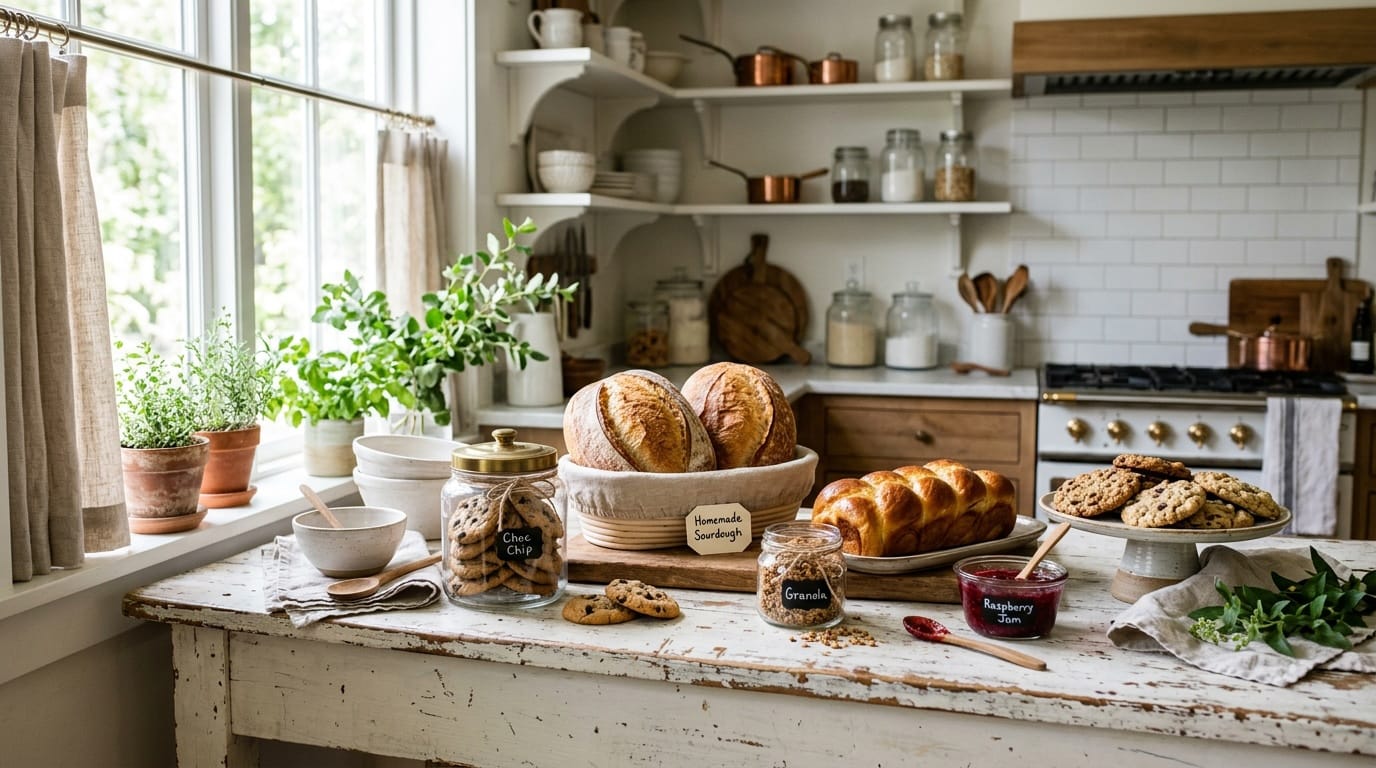
If you have ever searched “can I sell baked goods from my home in Wisconsin” and come away more confused than when you started, you are not alone. Wisconsin’s cottage food framework is genuinely a little different from most states — it is actually more permissive than the headlines suggest, but the rules split depending on what you are making. Here is exactly what home bakers and food makers need to know in 2026.
Wisconsin Cottage Food Law: What It Covers (and What It Doesn’t)
Wisconsin does not use the term “cottage food” in its statutes, but the state has specific exemptions from food licensing that accomplish the same thing. The most important thing to understand is that the rules are different for baked goods versus canned goods, and getting them confused will cost you.
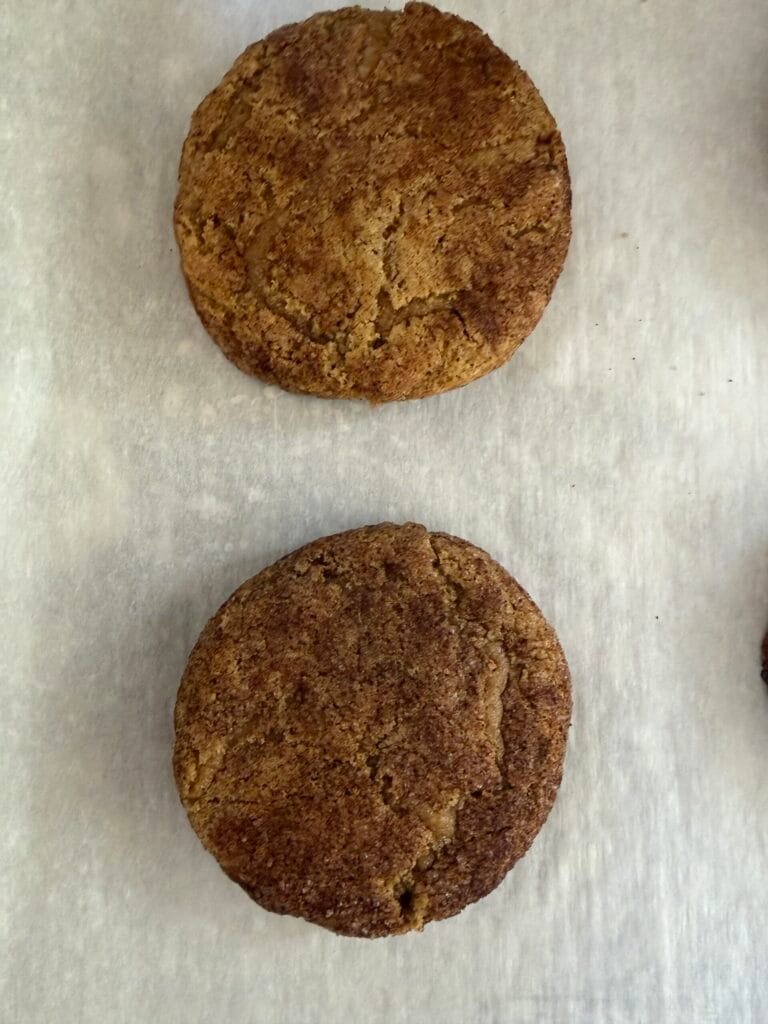
Baked goods: no sales cap, no license required. If you make shelf-stable baked goods — think cookies, breads, muffins, cakes, bars, and similar items that do not require refrigeration to stay safe — you can sell them from your home without a license and without a cap on how much you earn. You can sell at farmers markets, community events, from your home, and via in-state mail order. This is genuinely one of the more generous provisions for bakers anywhere in the country.
Canned goods: the Pickle Bill, with a $5,000 cap. Wisconsin’s “Pickle Bill” allows home producers to sell home-canned acidified foods — think pickles, salsa, and shelf-stable jams with a pH of 4.6 or lower — without a license, but you are limited to $5,000 in gross annual sales from these products. Once you hit that cap, you need a licensed facility.
What You Can and Cannot Sell
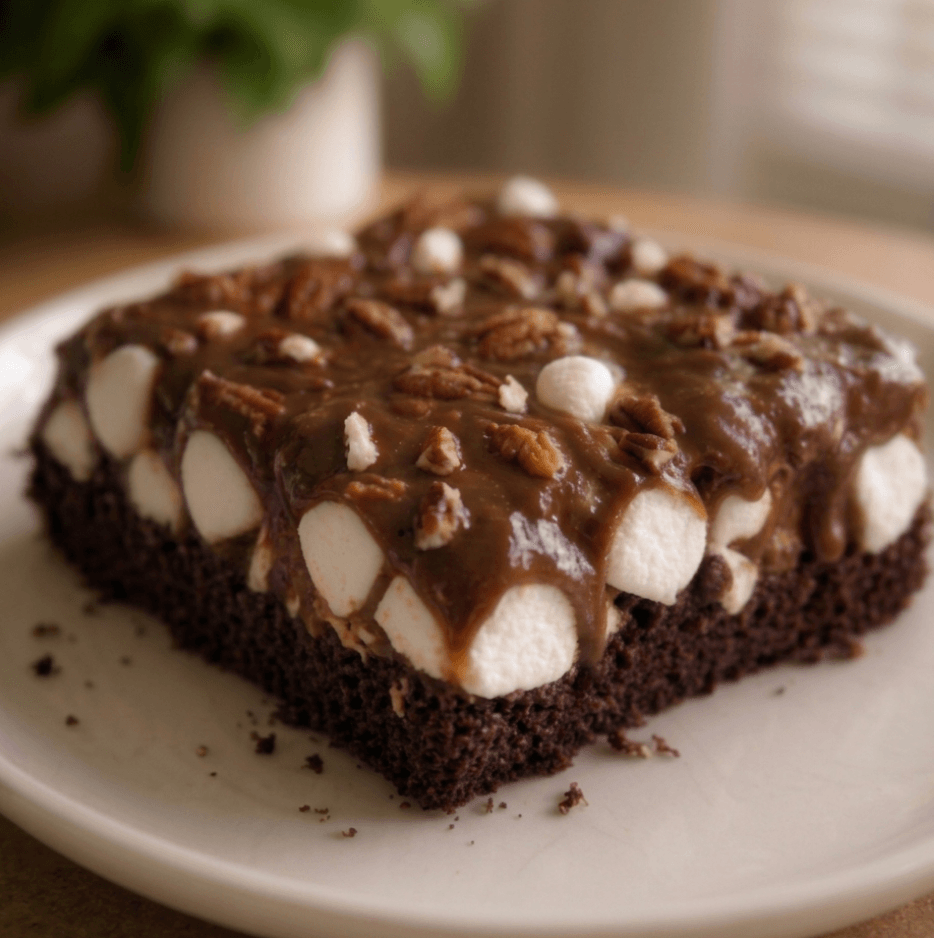
Allowed products under Wisconsin’s home baker exemption include breads, cakes, cookies, muffins, pies with fruit or nut fillings, brownies, granola, and similar non-potentially-hazardous baked goods. Products that are not allowed from a home kitchen include anything that requires refrigeration for safety — cream pies, cheesecakes, custard-filled pastries, meat-containing items, and most dairy-heavy products.

You can sell directly to consumers at your home, at farmers markets, at community events, and through in-state mail order. You cannot sell wholesale to restaurants, retail grocery stores, or other food establishments under the home baker exemption. And you cannot ship out of state.
Labeling Requirements in Wisconsin
Every product you sell must be labeled with the following statement (required verbatim): “This product was made in a private home not subject to state licensing or inspection.” Your name and address must also appear on the label. Wisconsin does not require a long list of ingredients on cottage food products, but including them is good practice and builds trust with customers.
What About Senate Bill 739?
In 2026, Wisconsin’s Senate Bill 739 proposed adding new requirements for cottage food operators — including a $40,000 annual sales cap, state registration, liability insurance, food safety certification, and a potential home inspection for sellers above $10,000 in gross sales. As of this writing, SB 739 has not been signed into law, so the current exemptions described above remain in effect. If you are selling in Wisconsin, it is worth keeping an eye on this legislation, as it could change the landscape significantly if it passes.
Starting Your Wisconsin Cottage Food Business
The honest good news is that Wisconsin’s current framework is friendly to home bakers who want to start small. You do not need to register, pay fees, or pass an inspection to start selling baked goods. Your checklist to get going: confirm your products qualify as non-potentially-hazardous, print proper labels, and start selling. If you want to sell online and expand your reach beyond your local community, platforms like Butter & Sage Market are built specifically for cottage food vendors who are ready to grow.

For more information, visit the Wisconsin Department of Agriculture, Trade and Consumer Protection website.
⚠ Legal Disclaimer: This post is for informational purposes only and is not legal advice. Cottage food laws change frequently — always check your state’s current statutes or consult a local attorney before starting your food business.

Keep reading
More from the market
Can You Ship Cottage Food? The State-by-State Breakdown for 2026
Can you mail your cottage food products? The short answer is: it depends on your state. Here's the full 2026 breakdown of…
Read more
Georgia Cottage Food Laws 2026: No License Fee, Retail Sales Now Legal, and How to Start
Georgia eliminated its cottage food license fee and opened retail and restaurant sales in 2025 — and 2026 is your first full…
Read more
Food Freedom States 2026: Where Cottage Food Laws Go the Furthest
Nine states have passed food freedom laws that go far beyond standard cottage food rules — no permits, no sales caps, and…
Read more