What Is Cottage Food? A Buyer’s Guide to the Homemade Food Movement
Cottage food is made in someone's real home kitchen — legally, in small batches, with real ingredients. Here's what it is, why it exists, and how to find it near you.
 1 min read
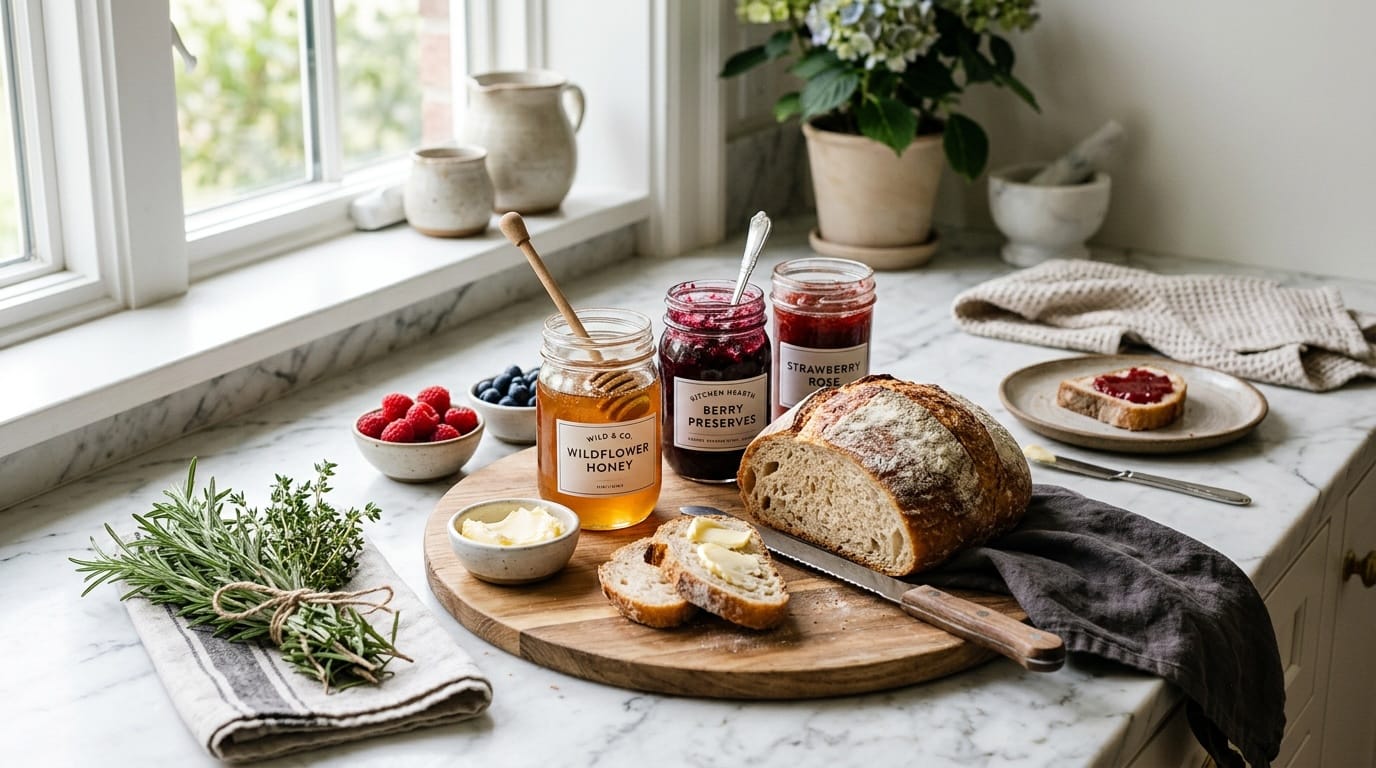
If you've ever bought a jar of jam from a booth at a farmers market, a loaf of sourdough from a neighbor who takes orders on Instagram, or a box of decorated cookies from someone's home bakery — you've probably already bought cottage food. You just might not have known the name for it.
Cottage food is a specific legal category: food produced in a home kitchen and sold directly to consumers, under state laws that allow it without requiring a commercial facility license. It's how a talented baker in your neighborhood can sell her cinnamon rolls on Saturday morning. It's how a jam-maker can legally sell her grandmother's strawberry recipe at the farmers market. It's how thousands of small food businesses start every year.
What Kinds of Food Count as Cottage Food?
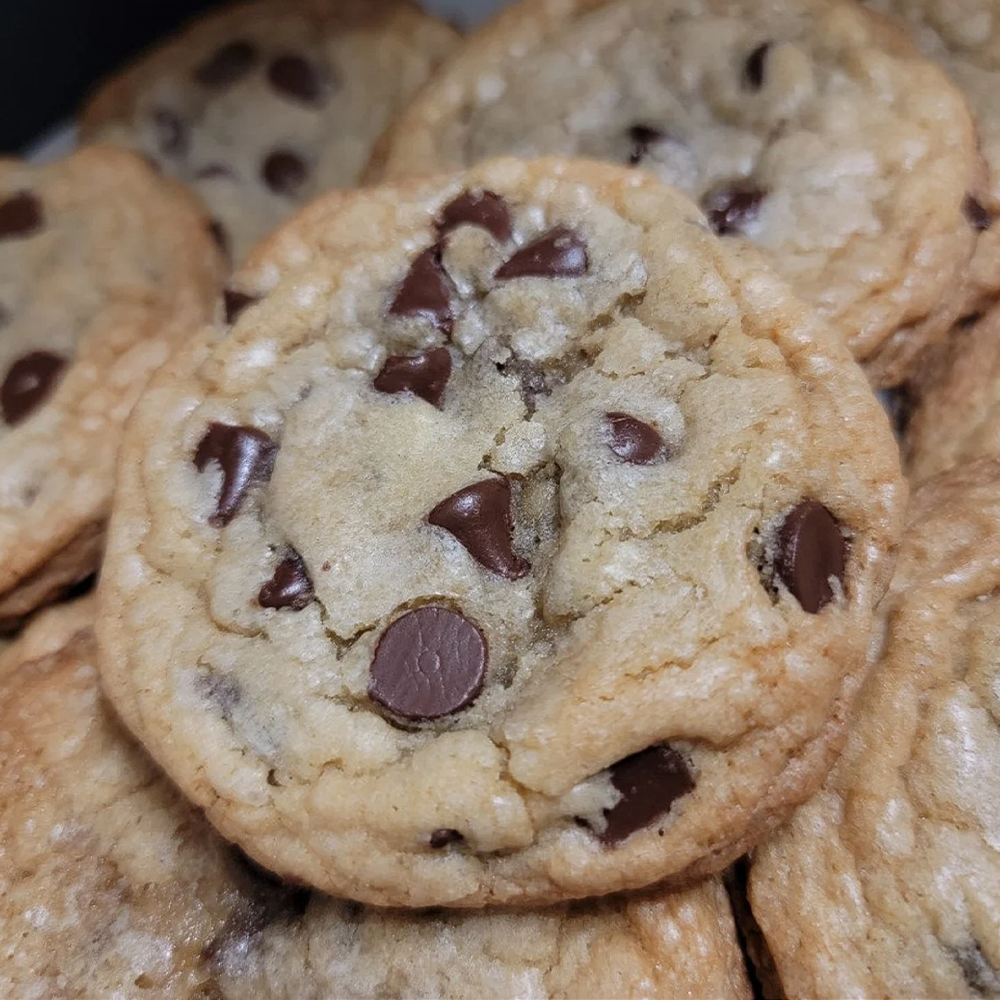
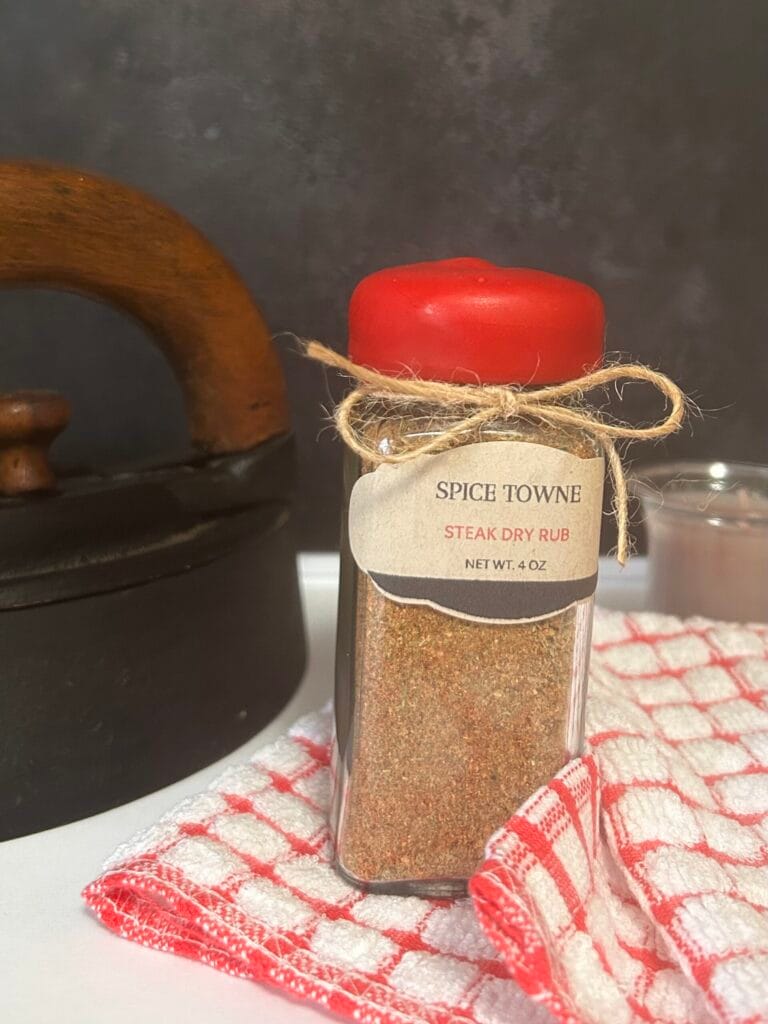
The exact rules vary by state, but most cottage food products fall into the same general categories: baked goods (bread, cookies, cakes, muffins, pies), jams and jellies, honey and honey products, candies and chocolates, roasted nuts, granola, dried herbs, flavored oils and vinegars, syrups and simple syrups, spice mixes, and similar shelf-stable foods.
What's typically excluded: anything that requires refrigeration to stay safe, like dairy-filled pastries, cream-based products, or most meat. The cottage food category is built around foods that don't require cold storage — which keeps the risk profile low and the barrier to entry accessible for small producers.
Why Does Cottage Food Exist?
For most of American food history, selling food commercially meant renting a licensed commercial kitchen — an expense that shut out talented home cooks, small-scale producers, and people in communities with limited capital. Cottage food laws changed that. They created a legal pathway for skilled food makers to sell their products directly to buyers without the commercial kitchen overhead.

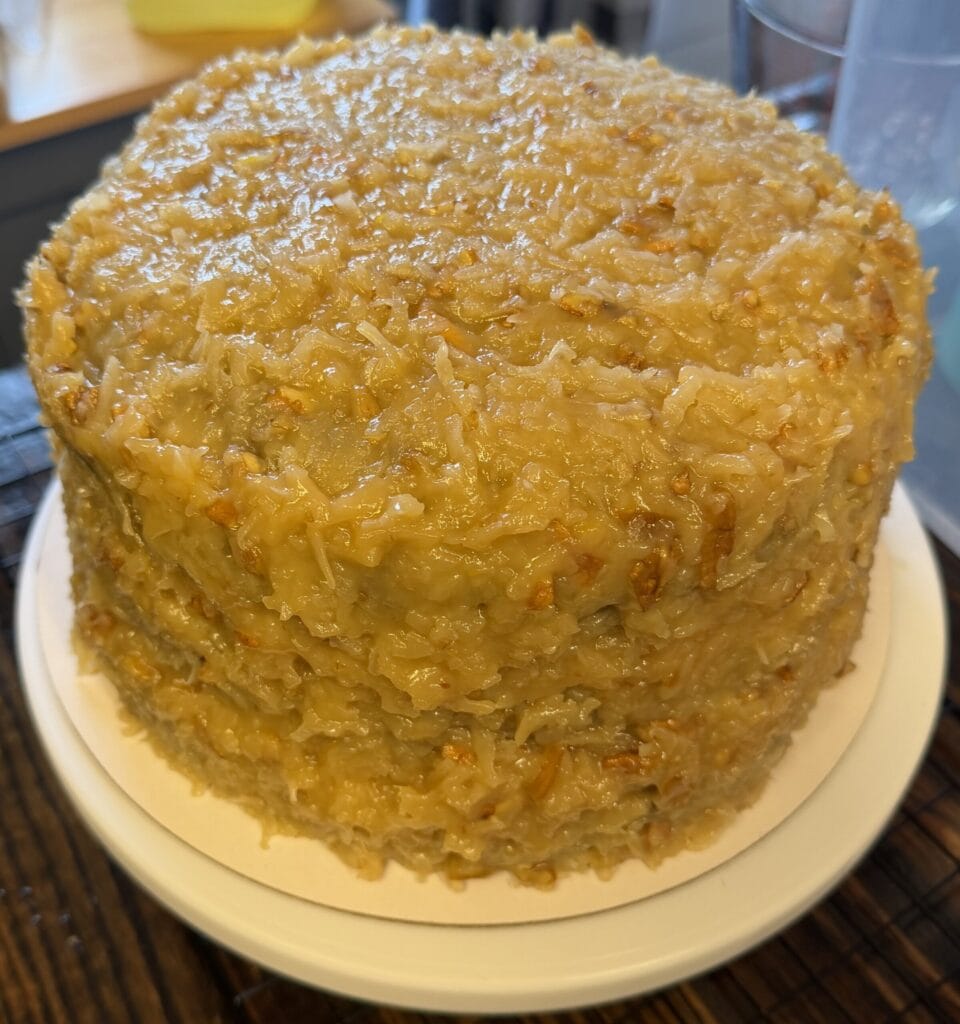
The results have been significant. When Texas legalized cottage food in 2011, more than 1,400 new food businesses formed in the first year. California's 2013 law led to over 1,200 new businesses. Minnesota has more than 3,000 registered cottage food producers today. These aren't just small businesses — they're often community anchors, farmers market staples, and the source of food products their customers can't find anywhere else.
Is Cottage Food Safe to Buy?
Yes — and here's why that's a reasonable question. Cottage food sits outside the typical commercial food inspection system, which can feel unsettling if you're used to assuming a certification backs everything in your grocery store.
In practice, cottage food is safe for a few reasons. First, the products themselves are shelf-stable low-risk foods — jams, baked goods, dry goods — that don't carry the same risk profile as perishables. Second, most states require cottage food producers to complete food safety training before they can sell. Third, and most importantly: cottage food producers sell directly to their community. Their customers are their friends, family, and regular market shoppers. That accountability is a powerful motivator to do things right.
What Makes Cottage Food Different From Grocery Store Food
The honest difference: cottage food is made by a person, with intention, in small batches. It's not optimized for shelf life, uniform appearance, or cross-country transport. It's optimized for flavor, because the person making it cares about it and sells it to people they'll see again next Saturday.
That means the jam has more fruit. The bread has better crust. The cookies are the same recipe the baker's been perfecting for fifteen years, not a formula designed to satisfy a purchasing committee. You're not buying a product — you're buying someone's craft.
Where to Find Cottage Food Near You
Farmers markets are the classic starting point — most markets have at least a few cottage food vendors, and many are cottage-food-dominant. Beyond that, Instagram and Facebook have become major discovery channels for local food makers. And online marketplaces built specifically for small and cottage food businesses — like Butter & Sage Market — let you browse local vendors, compare products, and buy directly without having to know where to look first.


Keep reading
More from the market
What’s at the Farmers Market in November? Your Late-Fall Shopping Guide
November farmers markets are smaller, colder, and sweeter than you expect. Here is what is in season, what frost improves, and what…
Read more
How to Survive a Slow Market Day (And Get Something Out of It)
Four hours, eleven customers, a full table. What to do with a dead market instead of scrolling, and how to leave with…
Read more
Cold-Weather Booth Setup: Wind, Light, and Days That End at Four
A booth built for August falls apart in November. What to change for wind, cold and a market that ends after dark…
Read more