California Cottage Food Law 2026: Class A vs. Class B Explained
Confused about California's Class A vs. Class B cottage food laws? We break down income limits, allowed foods, permits, and which path is right for your food business.
 1 min read
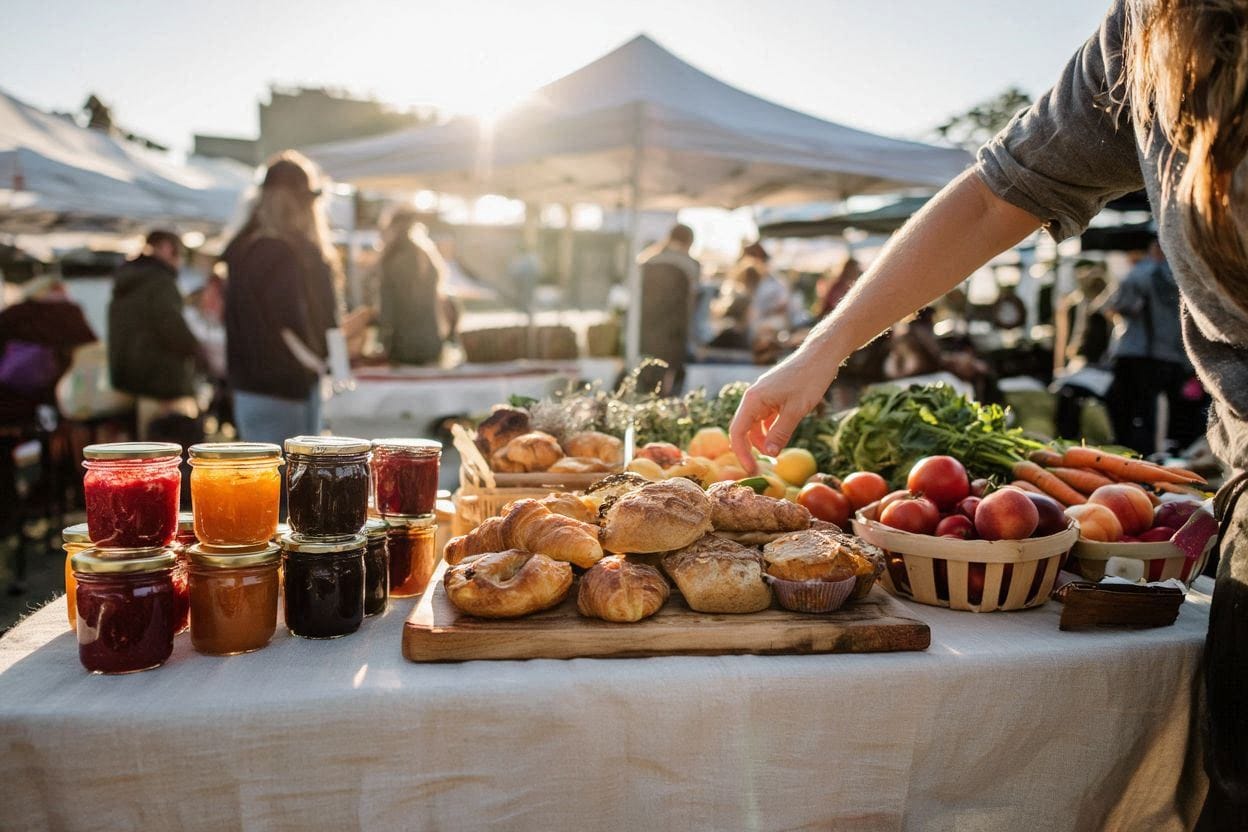
California has one of the most generous cottage food frameworks in the country, but let's be honest: it's not simple. There are two classes. Different income caps. Different inspection requirements. It can feel like a maze at first.
But once you understand which class fits your business, the path forward is clear. And the opportunity is real: you can build a genuine food business from your home kitchen in California—with income caps that make it viable as more than a side hustle.
The Two Classes: What's the Difference?
Class A: Direct Sales Only, No Inspection
- Sell directly to end consumers only (no restaurants, no retail stores)
- No inspection required
- Must submit a self-certification checklist to your county enforcement agency
- Income cap: base $75,000, inflation-adjusted to approximately $86,206 for 2025
Class B: Wholesale Allowed, Annual Inspection Required
- Can sell directly to consumers AND wholesale to restaurants, retail shops, coffee shops
- Requires a permit from your local health department
- Annual kitchen inspection required
- Income cap: base $150,000, inflation-adjusted to approximately $172,411 for 2025
Think of Class A as the farmers market and online path. Class B is for makers who want to supply restaurants and retailers.
What Foods Are Allowed (Both Classes)
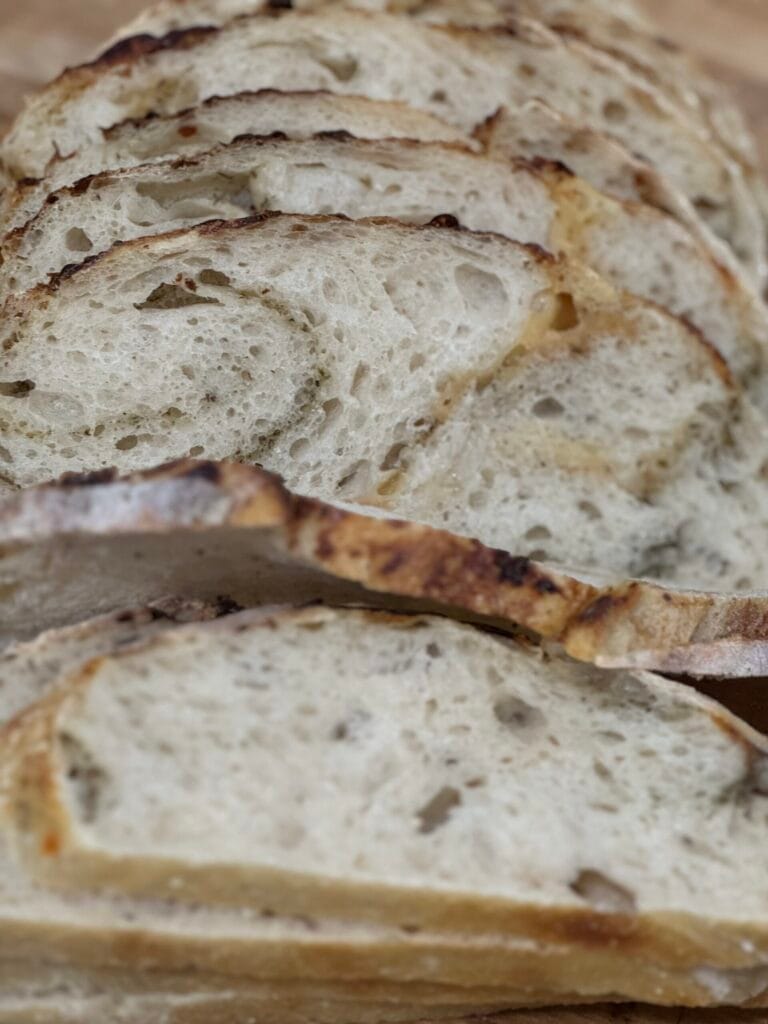
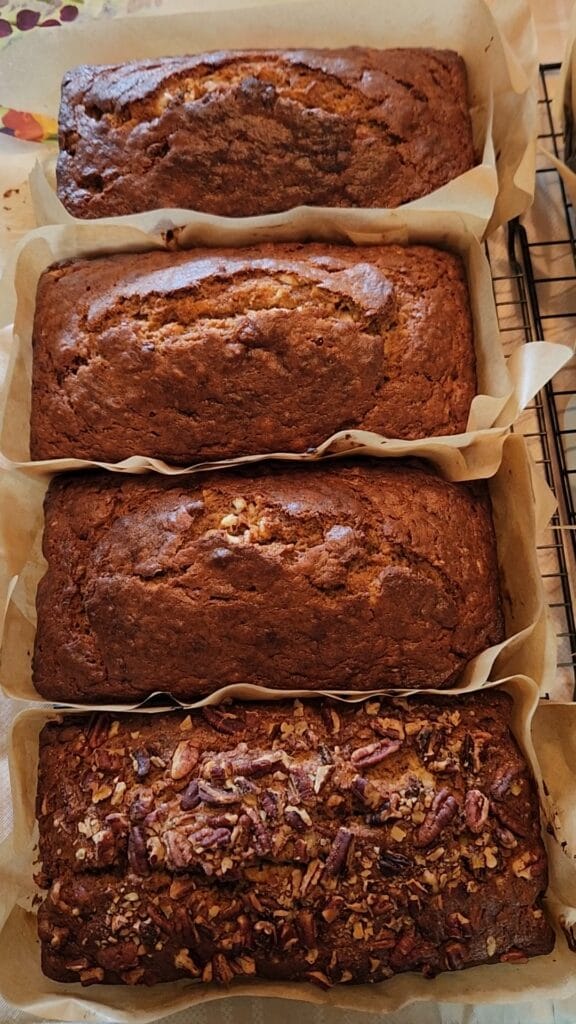
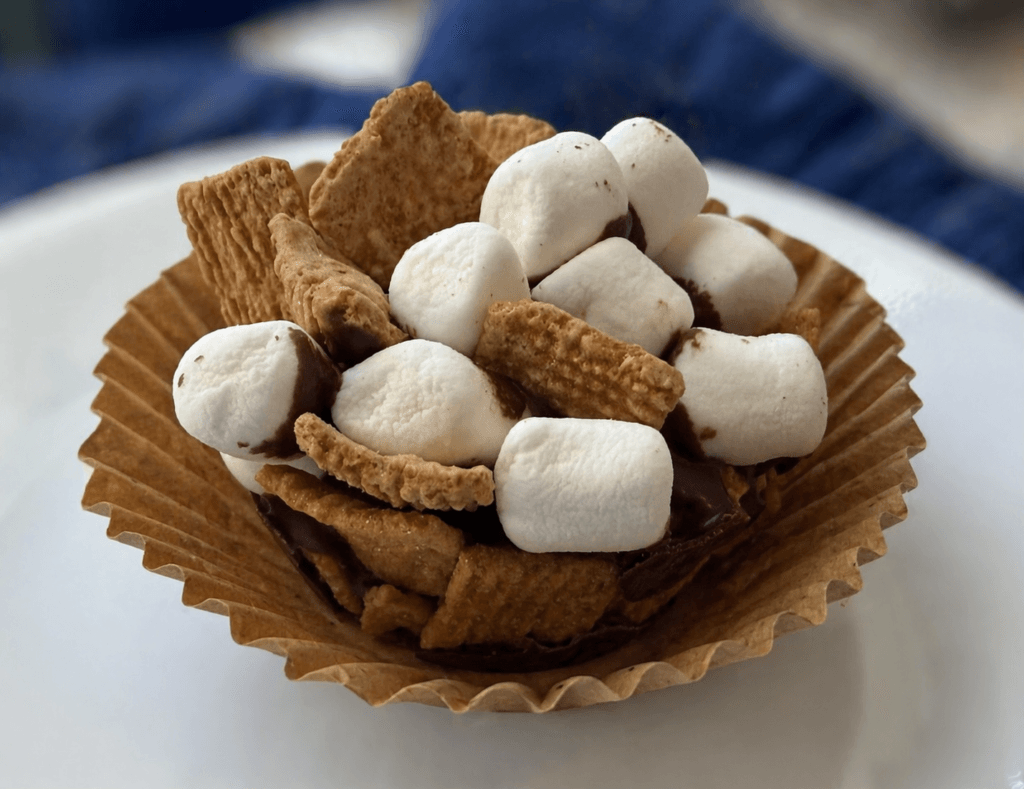
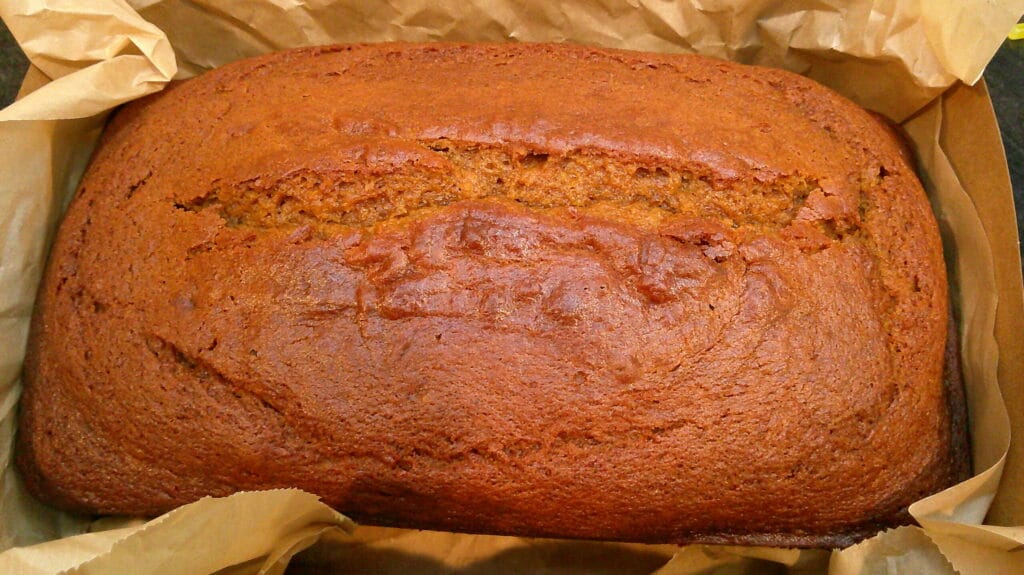
Both classes are limited to non-potentially-hazardous foods—meaning nothing that requires refrigeration. Allowed foods include: baked goods (breads, cookies, cakes, muffins—but NOT with cream fillings, custard, or dairy-based frosting), jams and jellies, granola, candy and fudge, dried herbs and spices, honey, roasted nuts, nut butters, and dried fruits.
NOT allowed: anything requiring refrigeration—cream-filled pastries, cheesecake, items with cream cheese frosting, fresh-cut produce, meat, or seafood.
Training Requirements (Required for Both)
An ANSI-accredited food handler course is required within 3 months of registration. Cost: $15–50 online. Renewal every 3 years.
Class A or Class B: Which Is Right for You?
Choose Class A if: you want to sell at farmers markets or online, you don't expect to exceed $85K annually, you want to avoid permits and inspections.
Choose Class B if: you want to sell wholesale to restaurants or shops, you're planning to exceed the Class A income cap, you're ready to invest in the permit and annual inspection process.
Many makers start with Class A to test the market, then graduate to Class B once demand is proven. That's a smart path.
Important: Permits Are Issued by County, Not State
Class B permits are issued by your county health department—not the state. Timelines and exact requirements vary. Before applying, call your county and ask: how long does permitting take? What kitchen modifications might I need? Can you share the inspection criteria in advance? Most counties will help you prepare.
Learn more at the California Department of Health Cottage Food Website
Your Action Plan
- Confirm your product is on the allowed list (non-refrigerated).
- Decide: Class A or Class B based on your sales channels and income goals.
- Class A: Get the self-certification checklist from your county and submit it.
- Class B: Contact your county health department to start the permit application.
- Enroll in an ANSI-accredited food handler course.
- List your products on Butter & Sage Market and reach buyers looking for exactly what you make.
California Makers: Find Your Customers on Butter & Sage Market
⚠ Legal Disclaimer: This post is for informational purposes only and is not legal advice. Cottage food laws change frequently — always check your state's current statutes or consult a local attorney before starting your food business.

Keep reading
More from the market
Can You Ship Cottage Food? The State-by-State Breakdown for 2026
Can you mail your cottage food products? The short answer is: it depends on your state. Here's the full 2026 breakdown of…
Read more
Georgia Cottage Food Laws 2026: No License Fee, Retail Sales Now Legal, and How to Start
Georgia eliminated its cottage food license fee and opened retail and restaurant sales in 2025 — and 2026 is your first full…
Read more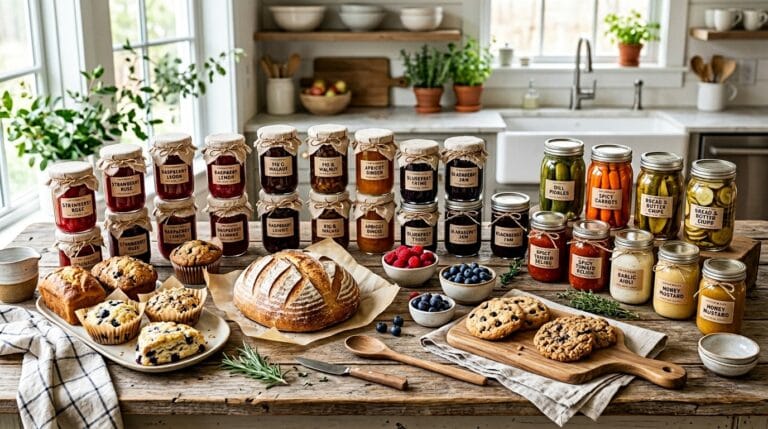
Food Freedom States 2026: Where Cottage Food Laws Go the Furthest
Nine states have passed food freedom laws that go far beyond standard cottage food rules — no permits, no sales caps, and…
Read more