Connecticut is a genuinely pleasant surprise in the cottage food landscape. No permit. No registration fee. A $50,000 annual sales cap that was doubled just a few years ago. Online orders allowed. If you’ve been baking for your neighborhood and wondering whether you can make it official, Connecticut has done a lot of the work to make the answer “yes.”
The Good News Up Front: No Permit Required
Connecticut does not require a permit or registration to operate a cottage food business. You don’t fill out a government form, pay a fee, or wait for approval before you can start selling. You learn the rules, set up your labels correctly, and start selling. For anyone who has looked at other states’ multi-step permit processes and felt the wind leave their sails, Connecticut is a refreshing starting point.
The annual gross sales cap is $50,000, doubled from the earlier $25,000 limit under Senate Bill 187. That gives most home-based food businesses significant runway before they need to think about commercial kitchen licensing.
Food Safety Training and Kitchen Inspection
Here’s the part that surprises some first-time Connecticut cottage food vendors: while there’s no permit required, the state does require food safety training and allows for home kitchen inspection. The food safety training requirement means completing an accredited course — ServSafe is the most common option, and it’s available online. It’s a few hours of your time and a modest cost, and honestly, it’s worth knowing.
Think of it this way: the training requirement isn’t a barrier, it’s a credential. Customers who ask how seriously you take food safety now have a real answer.
What You Can Sell
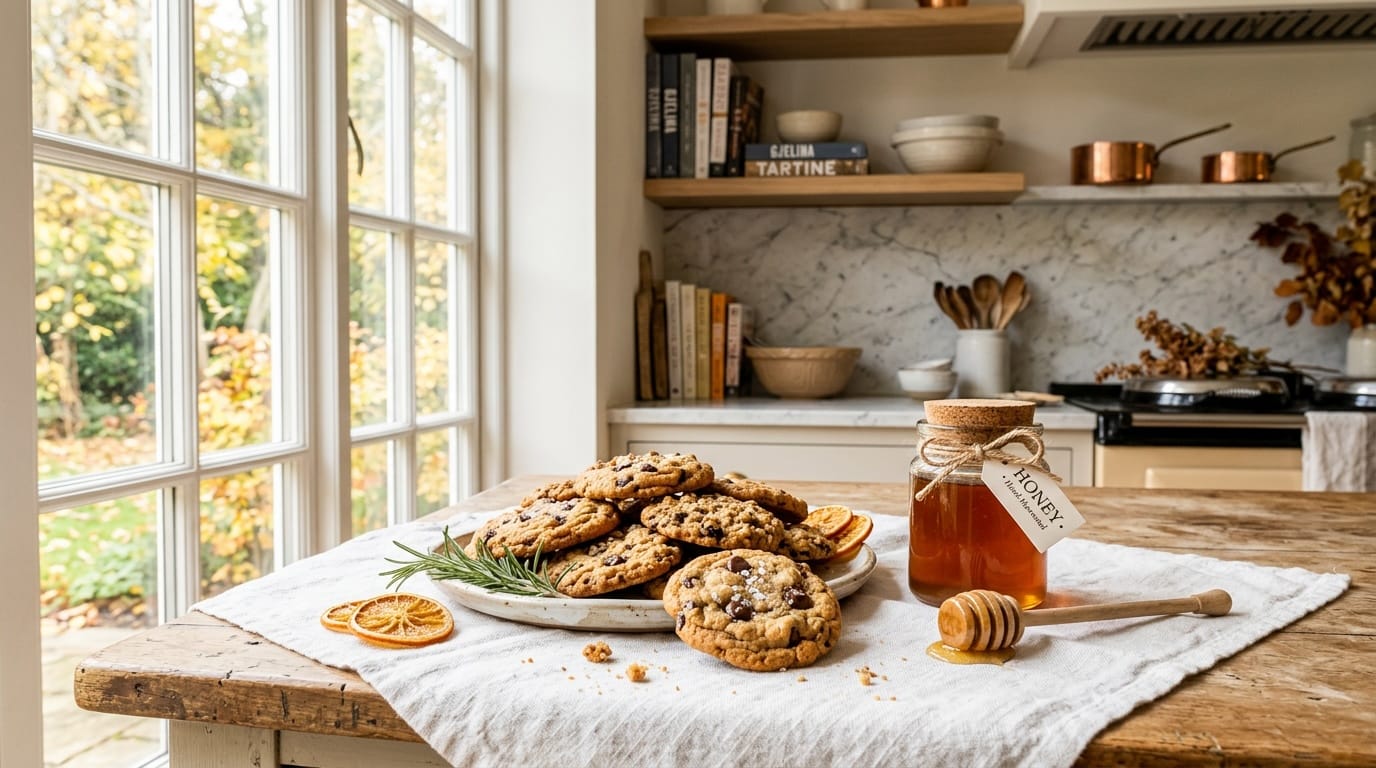
Connecticut cottage food law covers non-TCS foods — non-potentially-hazardous items that don’t require temperature control for safety. That’s a broad and useful category: baked goods (bread, cookies, cakes, muffins, brownies, pies with shelf-stable fillings), jams and jellies, honey, granola, dried herbs, candy, and similar shelf-stable products.
Foods that require refrigeration or careful temperature management — cheesecakes, cream pies, fresh-made salsa, most fermented foods — are outside cottage food territory. Stick to shelf-stable and you’re working in Connecticut’s cottage food sweet spot.
Online Orders and Where You Can Sell
Connecticut allows online ordering with in-state delivery — which means you can take pre-orders through your website or an online marketplace, then fulfill them via local delivery or pickup. You’re not limited to showing up at a farmers market booth; you can build a real local delivery business from your home kitchen.
Permitted sales channels include direct-to-consumer, farmers markets, and roadside stands. Interstate shipping is not allowed — your products stay in Connecticut, which is where your most loyal customers live anyway.
Labeling: What Every Product Needs
Every Connecticut cottage food product must carry a label that includes:
- Product name
- Your name and home address
- Ingredient list in descending order by weight
- Net weight or net volume
- Allergen statement
- The required disclaimer: “Made in a home kitchen not inspected by the Connecticut Department of Consumer Protection.”
Take the time to design your labels well. At a New England farmers market, presentation matters — a clean label with clear ingredients and a story behind the product is part of what people are paying for when they choose your jam over the grocery store version.
Connecticut Is Ready. Are You?
Between no permit requirement, a $50K cap, online delivery, and an active farmers market scene from Fairfield County to the Quiet Corner, Connecticut gives home-based food businesses a real platform to grow. Complete your food safety training, get your labels sorted, and you’re in business.
Butter & Sage Market
Connecticut Cottage Food Vendors: Your Marketplace Is Waiting
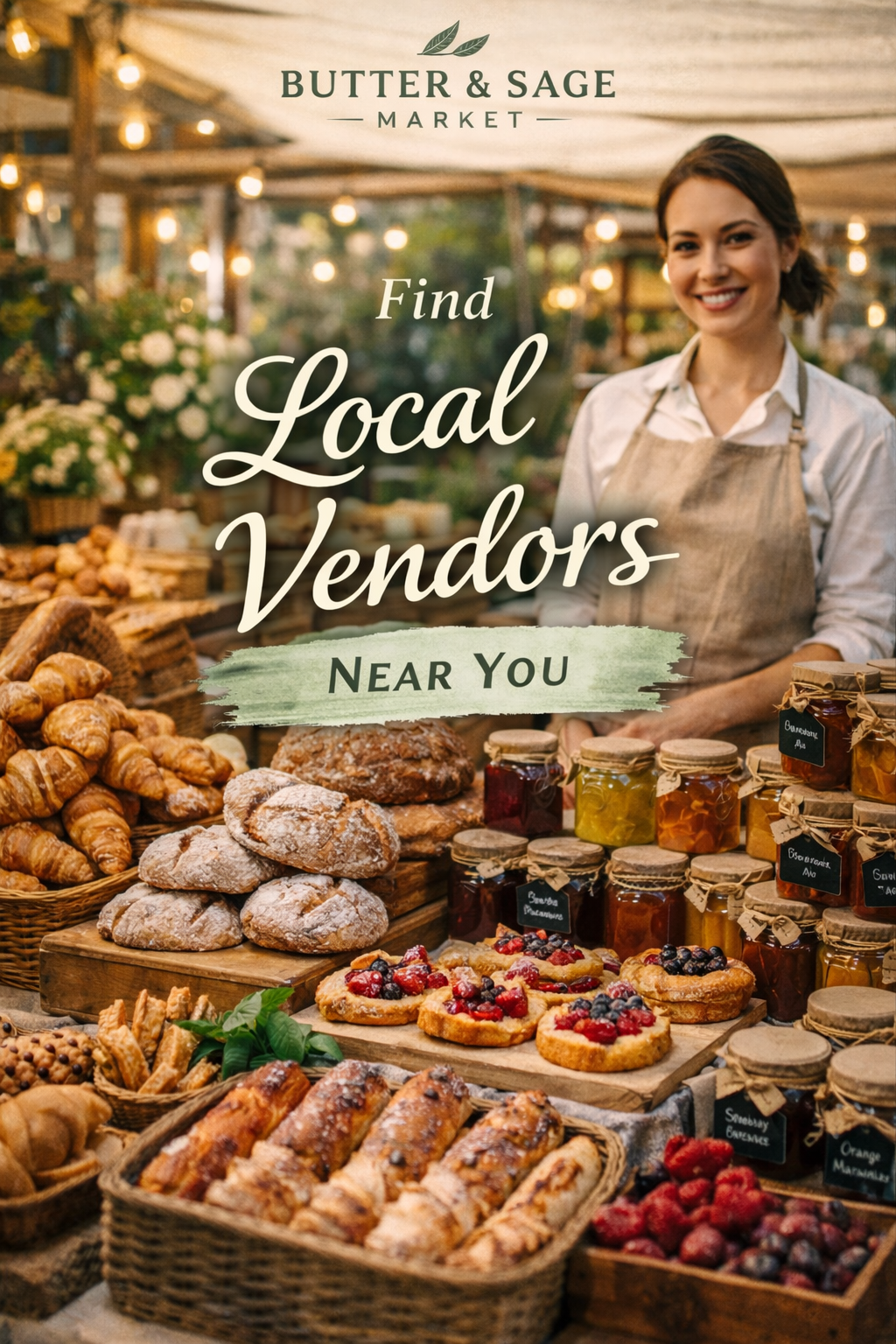
Butter & Sage Market is built for exactly the kind of business Connecticut’s cottage food law makes possible — local, homemade, and sold directly to people who care where their food comes from. Open your free vendor shop and let Connecticut buyers find you.
Fresh. Local. Sustainable.
For official requirements, visit the Connecticut Department of Agriculture — Cottage Food Establishment page.
⚠ Legal Disclaimer: This post is for informational purposes only and is not legal advice. Cottage food laws change frequently — always check your state’s current statutes or consult a local attorney before starting your food business.

0 Comments