Michigan Cottage Food Law 2026: New Cap, Online Sales Now Allowed
Michigan's cottage food law changed significantly in March 2026 — the revenue cap rose to $50,000 and online sales are now permitted. Here's what home bakers need to know.
 1 min read
Michigan home bakers have some significant good news heading into 2026. A updated cottage food law that took effect March 24, 2026 raised the revenue cap and, for the first time, opened the door to online sales. If you've been selling under Michigan's older law — or thinking about starting — this is worth reading carefully.
Here's what changed and what it means for your cottage food business under the Michigan cottage food law in 2026.
What's New in Michigan's Cottage Food Law?
Two changes that matter most to home food producers:
1. The revenue cap increased. The previous annual cap of $25,000 has been raised to $50,000 per year. And if you're selling products priced at $250 or more per unit (think elaborate custom cakes, specialty gift baskets, or high-end confections), that cap goes up to $75,000. This is a meaningful expansion for anyone whose business was brushing up against the old limit.
2. Online sales are now allowed — with a catch. Michigan now permits online sales, but there's a specific requirement: you must have a prior relationship or prior consumer interaction before completing the online sale. In practice, this typically means the customer has visited your booth, interacted with you at a market, or otherwise established a connection before ordering online. It's not fully open e-commerce, but it does allow you to take orders from established customers through your website or social media.
What's Stayed the Same?
The core structure of Michigan's cottage food law is unchanged. There is no license or registration required to sell cottage food in Michigan. You don't need to register with the state, and your home kitchen doesn't need to be inspected. You can start selling once your products are properly labeled.
What Can You Sell?
Michigan's cottage food exemption covers non-potentially hazardous foods, including:
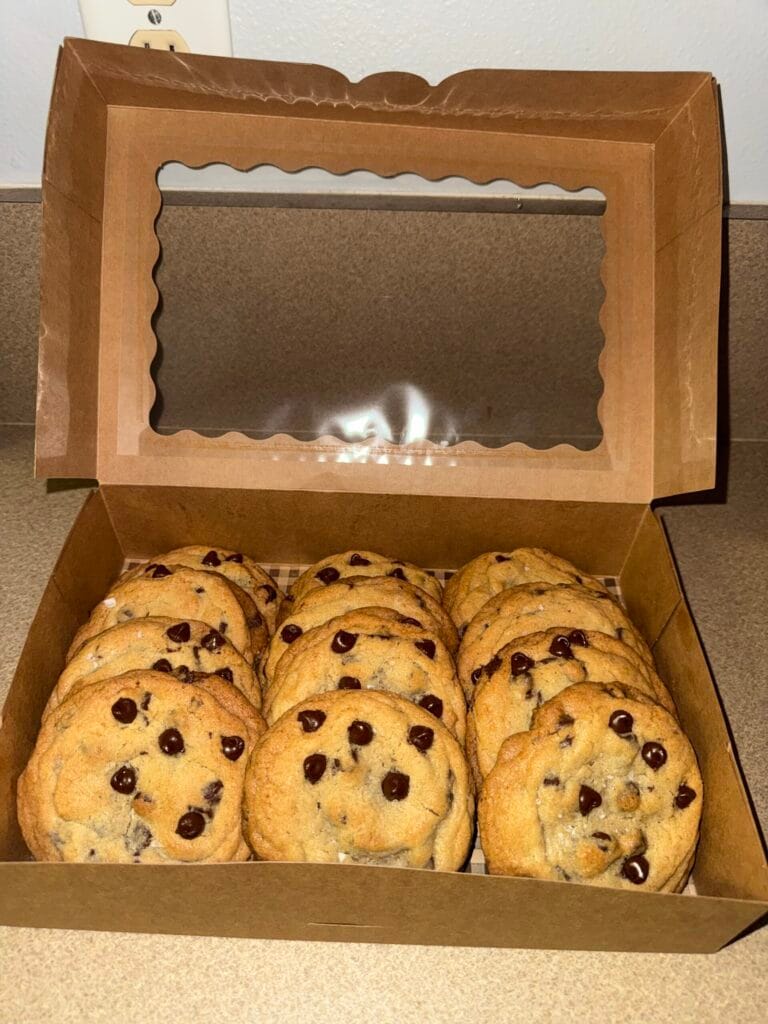


- Baked goods (breads, cookies, cakes, pies, muffins)
- Jams, jellies, and fruit preserves
- Candy and fudge
- Granola, trail mix, and dried goods
- Popcorn and roasted nuts
- Honey (produced by your own bees)
- Dried herbs and spice blends
Foods that require refrigeration or that are potentially hazardous — cream-based products, meat items, anything that needs to stay cold — are not permitted under the cottage food exemption.
Where Can You Sell?
Michigan cottage food sellers can sell through:
- Farmers markets ✓
- Roadside stands ✓
- From your home ✓
- Community events and fairs ✓
- Online sales with prior consumer interaction ✓ (new in 2026)
Wholesale to grocery stores or restaurants, and shipping out of state, require a commercial food license and fall outside the cottage food exemption.
Labeling Requirements
Every Michigan cottage food product must include:
- Product name
- Your name and address
- Ingredients list in descending order of weight
- Net weight or volume
- Allergen disclosures
- The statement: "This product was made in a home kitchen that is not inspected by the Michigan Department of Agriculture and Rural Development."
What the Online Sales Update Actually Means for Your Business
The "prior consumer interaction" requirement for online sales might seem frustrating, but it's actually a natural fit for how most cottage food businesses work. If someone finds you at the Ann Arbor Farmers Market, falls in love with your cardamom shortbread, and wants to order more for a holiday party — that's exactly the scenario Michigan's law is designed to support.
Practically speaking: build your in-person presence first. Collect emails. Get customers to follow you on social media. Then, when you launch your online ordering page, you have a warm audience who already knows and trusts your work — and who qualifies as "prior interaction" under the law.
The new cap gives you real room to grow. From $25K to $50K is a meaningful jump that could represent the difference between a side project and a real business. Michigan home bakers have never had more opportunity than they do right now.
For more information visit the State of Michigan website
Michigan Makers: Find Your Customers on Butter & Sage Market
⚠ Legal Disclaimer: This post is for informational purposes only and is not legal advice. Cottage food laws change frequently — always check your state's current statutes or consult a local attorney before starting your food business.

Keep reading
More from the market
Can You Ship Cottage Food? The State-by-State Breakdown for 2026
Can you mail your cottage food products? The short answer is: it depends on your state. Here's the full 2026 breakdown of…
Read more
Georgia Cottage Food Laws 2026: No License Fee, Retail Sales Now Legal, and How to Start
Georgia eliminated its cottage food license fee and opened retail and restaurant sales in 2025 — and 2026 is your first full…
Read more
Food Freedom States 2026: Where Cottage Food Laws Go the Furthest
Nine states have passed food freedom laws that go far beyond standard cottage food rules — no permits, no sales caps, and…
Read more