New York Cottage Food Law 2026: Sell from Home with No Revenue Cap
New York's Home Processor Exemption lets you sell baked goods and preserves from your home kitchen — with no revenue cap. Here's exactly how it works and how to get started.
 1 min read

If you've been baking out of your New York kitchen and wondering whether you can legally sell those sourdough loaves or strawberry preserves, the answer is yes — and it's more accessible than you might think. New York's Home Processor Exemption is one of the more generous cottage food laws in the country, with no revenue cap and a simple, free registration process.
Here's everything you need to know about the New York cottage food law in 2026.
What Is New York's Cottage Food Law?
New York's cottage food program operates under the Home Processor Exemption, which allows individuals to produce and sell certain non-hazardous foods made in a home kitchen without a commercial food processing license. The program is administered by the New York State Department of Agriculture and Markets.
Unlike some states that set a hard dollar cap on sales, New York has no annual revenue cap. That's a meaningful advantage — it means your home baking business can grow without suddenly hitting a legal ceiling that requires you to upgrade to a licensed commercial kitchen.
What Can You Sell Under New York's Home Processor Exemption?
Not every homemade food qualifies, and knowing the boundaries upfront will save you a headache later. Under the exemption, you can sell:
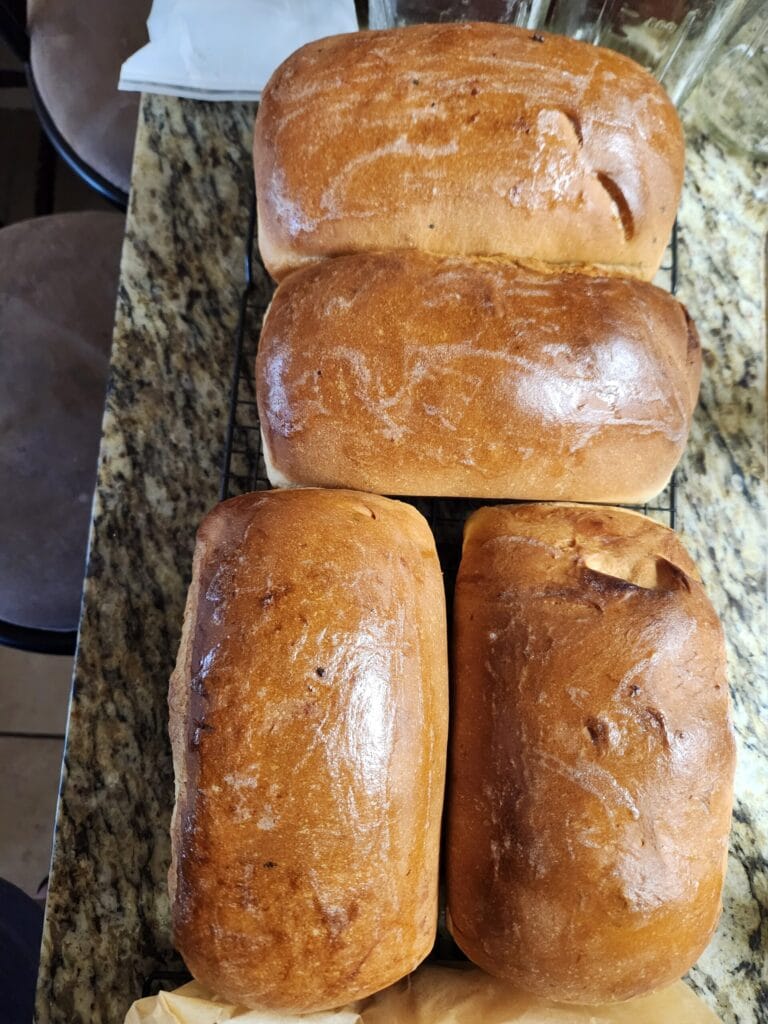
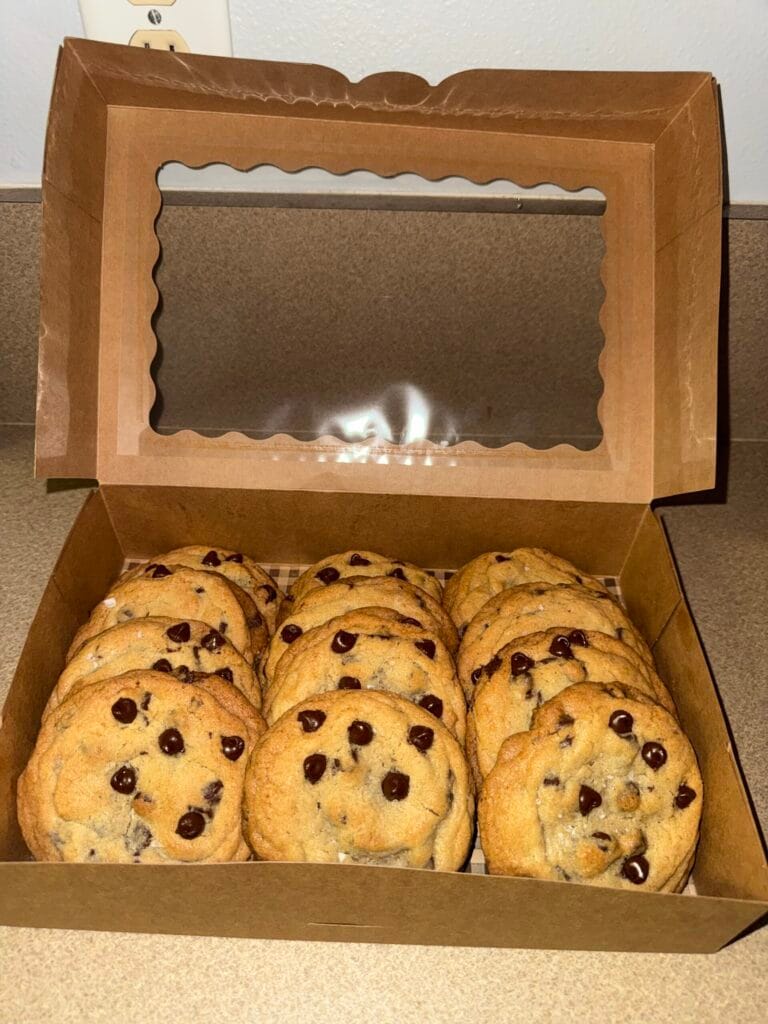
- Baked goods (breads, cookies, cakes, muffins, brownies, scones)
- Jams, jellies, and preserves (high-acid, properly processed)
- Candy and confections
- Granola, trail mix, and dried goods
- Spice mixes and dry herb blends
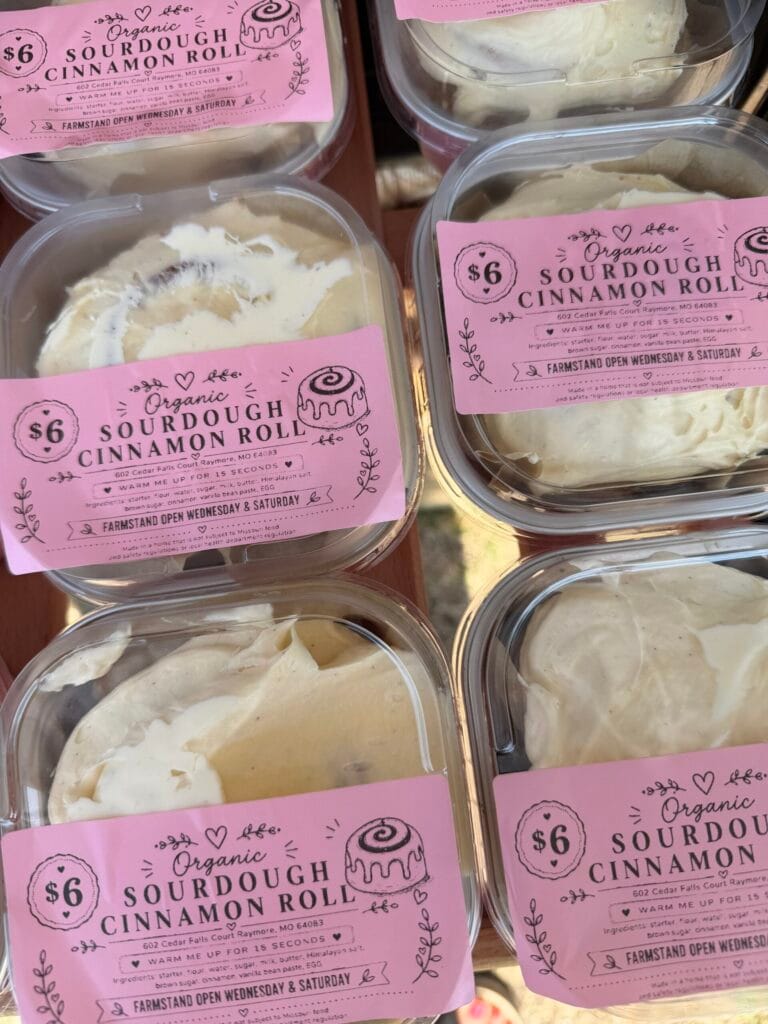
There are some important exceptions. Baked goods that contain cream fillings or frosting made with cream cheese or other perishable dairy are not allowed under the exemption — those cross into potentially hazardous food territory. Same goes for baked goods that contain fruit or vegetable pieces (think zucchini bread or blueberry muffins with real fresh berries) — these can have a higher moisture content that affects safety.
When in doubt, stick to shelf-stable items and check with the NY Department of Agriculture and Markets if you're unsure about a specific product.
Where Can You Sell Your Products?
This is where New York's law has a real limitation worth planning around: all sales must be direct, face-to-face, and to the final consumer. That means:
- Farmers markets ✓
- Roadside stands ✓
- From your home ✓
- At community events and craft fairs ✓
- Online sales with shipping ✗
- Wholesale to stores or restaurants ✗
You must be present at the point of sale — you can't have someone else run your table if you're not there. This is a direct-to-consumer, face-to-face requirement, which actually fits naturally with the farmers market model most home bakers are already thinking about.
How to Register as a Home Processor in New York
Good news: registration is free. You register with the New York State Department of Agriculture and Markets, and your registration must be renewed every two years.
The registration process is straightforward — you're providing basic information about your operation, your location, and the types of products you plan to sell. There's no home kitchen inspection required (unlike some states), which makes getting started significantly simpler.
One thing to note: each person who sells under the exemption registers individually. If you and a family member both want to sell under your home kitchen, you each need your own registration.
Labeling Requirements
Every product you sell must be properly labeled. New York requires the following on each package:
- Product name
- Your name and home address
- Ingredients list (in descending order by weight)
- Net weight or volume
- Allergen disclosure (per federal requirements)
- A statement that the product was made in a home kitchen not subject to state inspection
That last line — the "not inspected" disclosure — is required so consumers know what they're buying. Print it clearly on your label; it's not a warning so much as a transparency statement.
Getting Your Products Seen by Local Shoppers
Registering is just the first step. The real challenge for most home bakers is getting in front of people who want to buy. Butter & Sage Market is built for exactly this — it's a marketplace where cottage food vendors can list their products, connect with local shoppers, and get found by people searching for home-baked goods in their area.
Whether you're selling at the Ithaca Farmers Market, a Long Island community fair, or out of your front door in Rochester, having an online presence helps customers find you before they even leave home.
New York has a thriving local food community, and there's real demand for the kind of honest, homemade food that home bakers produce. You just have to make it easy for people to find you.
Start small, register your operation, get your labeling dialed in, and find a farmers market that fits your schedule. The rest builds from there.
For more information visit the New York Department of Agriculture website.
New York Makers: Find Your Customers on Butter & Sage Market
⚠ Legal Disclaimer: This post is for informational purposes only and is not legal advice. Cottage food laws change frequently — always check your state's current statutes or consult a local attorney before starting your food business.

Keep reading
More from the market
Can You Ship Cottage Food? The State-by-State Breakdown for 2026
Can you mail your cottage food products? The short answer is: it depends on your state. Here's the full 2026 breakdown of…
Read more
Georgia Cottage Food Laws 2026: No License Fee, Retail Sales Now Legal, and How to Start
Georgia eliminated its cottage food license fee and opened retail and restaurant sales in 2025 — and 2026 is your first full…
Read more
Food Freedom States 2026: Where Cottage Food Laws Go the Furthest
Nine states have passed food freedom laws that go far beyond standard cottage food rules — no permits, no sales caps, and…
Read more