Pennsylvania Cottage Food Law 2026: The Limited Food Establishment License That Changes Everything
Pennsylvania doesn't have a traditional "cottage food law" — it has something better. The Limited Food Establishment license has no revenue cap and lets you ship products out of state. Here's how it works.
 1 min read
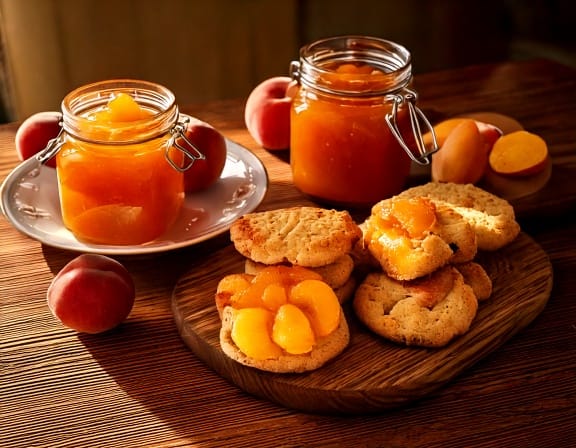
Pennsylvania takes a different approach than most states when it comes to home food production — and once you understand how it works, you might find it's actually more empowering than the typical "cottage food law" model.
Here's what home bakers and food producers in Pennsylvania need to know about operating legally and growing a real business in 2026.
Pennsylvania Doesn't Have a "Cottage Food Law" — It Has Something Better
Technically, Pennsylvania has no formal "cottage food exemption" in the way that states like Georgia or Tennessee do. Instead, home food producers operate under a Limited Food Establishment (LFE) license, administered by the Pennsylvania Department of Agriculture.
At first glance that might sound more burdensome — a license! — but in practice, Pennsylvania's LFE system is one of the most permissive home food production frameworks in the country. Here's why:
No revenue cap. Pennsylvania's LFE license has no annual sales limit. Your home food business can grow as big as your kitchen and your time allow, without worrying about crossing a legal threshold.
Broad sales channels, including out-of-state shipping. Pennsylvania is one of very few states that allows LFE producers to ship food products across state lines. Most cottage food laws prohibit this — Pennsylvania's LFE structure is a genuine outlier in the best possible way for anyone building an e-commerce component to their food business.
What's Required to Get an LFE License?
The LFE licensing process has two key requirements:
1. A home kitchen inspection. A Pennsylvania Department of Agriculture inspector will visit your kitchen to confirm it meets basic food safety standards. This is similar to what you'd go through in other states with voluntary registration — clean surfaces, adequate refrigeration, proper sink access, no pest issues.
2. A business plan. Pennsylvania asks LFE applicants to submit a basic business plan describing what products you intend to sell and how you plan to sell them. This doesn't need to be a formal MBA-style document — it's more of an operations summary. Think: what you're making, where you're selling, and how you're keeping your kitchen sanitary.
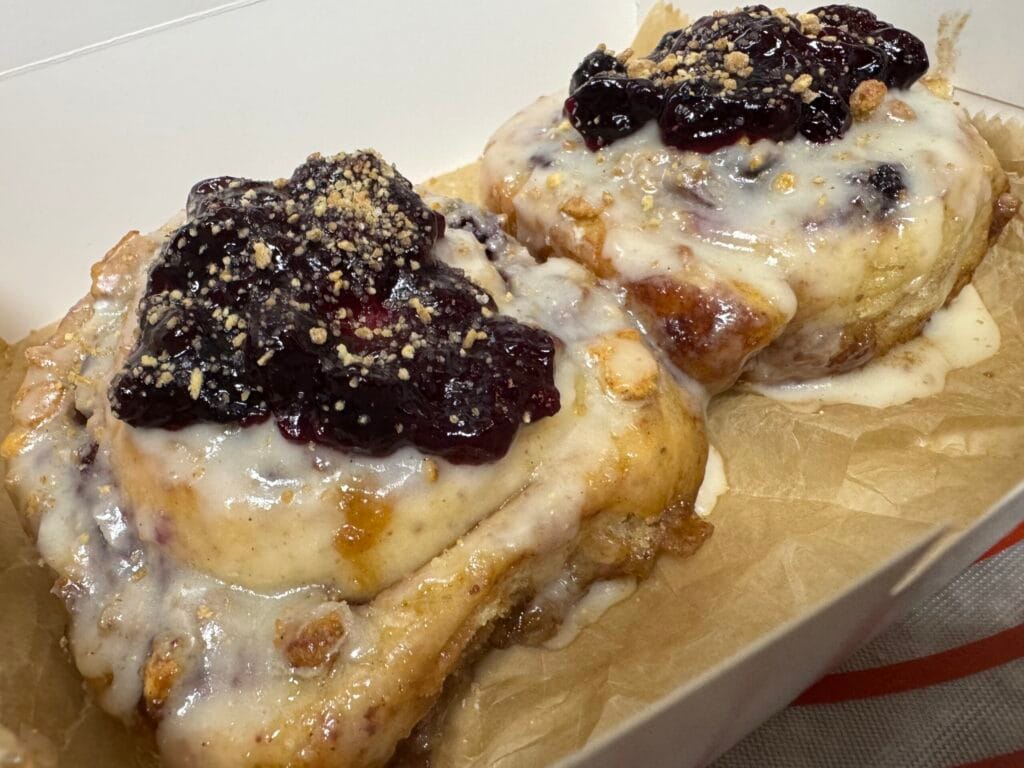
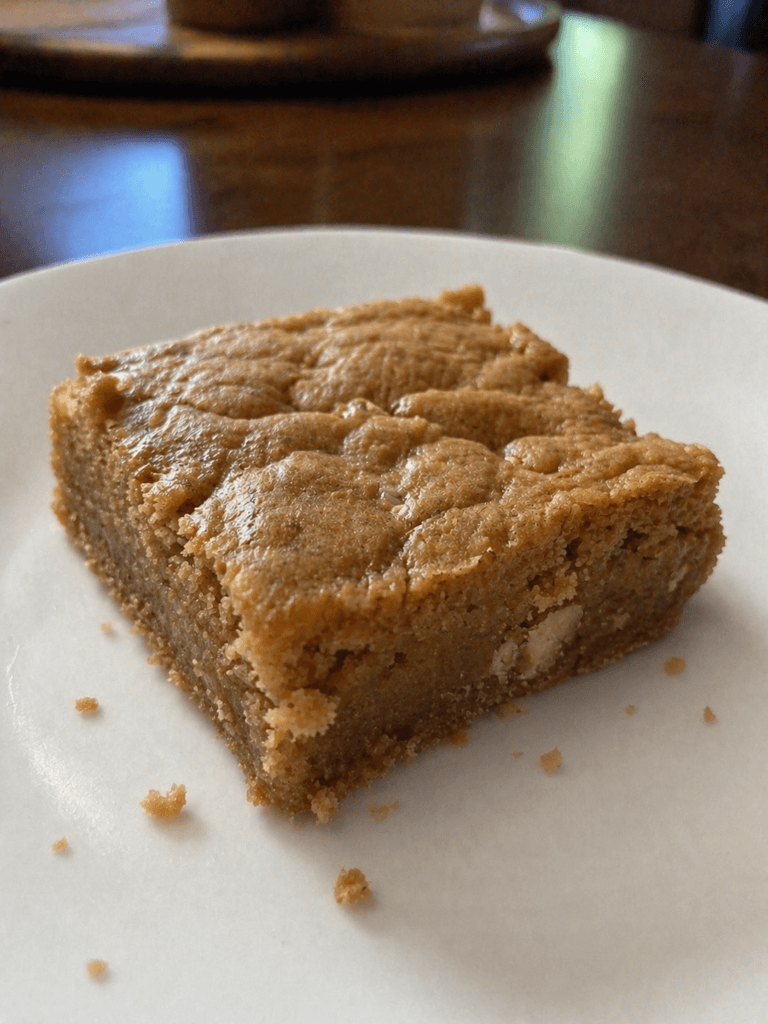
There is a licensing fee, which is modest relative to the permissions it grants. Check current fee schedules with the Pennsylvania Department of Agriculture.
What Can You Sell?
Pennsylvania's LFE license covers a broad range of shelf-stable and low-risk foods:
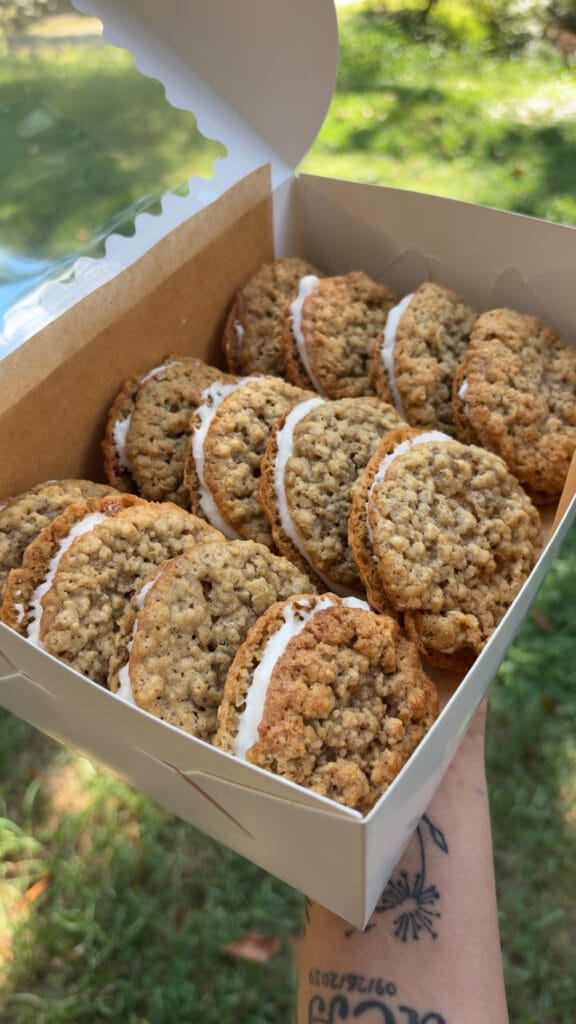
- Baked goods (breads, cakes, cookies, pies, muffins, pastries)
- Jams, jellies, and preserves
- Candy and confections
- Dry mixes and spice blends
- Granola, trail mix, and snack foods
- Pickles and fermented foods (with appropriate pH documentation)
Products requiring full temperature control for safety — items with cream fillings, uncooked meat products, dairy-based products that need refrigeration — fall outside the LFE framework and require a commercial food processing license.
Where Can You Sell?
Pennsylvania's LFE license is one of the most expansive in the country for sales channels:
- Direct to consumers (in person) ✓
- Farmers markets ✓
- Online orders with in-state delivery ✓
- Wholesale to local stores and retailers ✓
- Online with out-of-state shipping ✓ (unique to Pennsylvania)
The out-of-state shipping permission is genuinely unusual — most cottage food laws specifically prohibit interstate commerce. If you're thinking about building a product brand that ships nationally, Pennsylvania's LFE license makes that legally possible in a way most states don't.
Labeling Requirements
Pennsylvania LFE products must include:
- Product name
- Your name and business address
- Ingredients in descending order of weight
- Net weight or volume
- Allergen disclosures per federal labeling requirements
Is the Inspection and Business Plan Worth It?
For the permissions Pennsylvania grants in return — no cap, retail sales, out-of-state shipping — the answer for most serious home food producers is yes, absolutely. The kitchen inspection is a one-time process that gives you legitimate business credentials. The business plan is an exercise that will actually help you think more clearly about your operation.
If you're building a cottage food business in Pennsylvania with real ambitions — an online presence, potential wholesale relationships, growth beyond local markets — the LFE license is the right foundation. It's not a workaround or a loophole. It's a legitimate business license that happens to be designed for home kitchens.
Start the process early, since inspection scheduling can take a few weeks. In the meantime, get your product line dialed in and your labels designed. Once that license comes through, Pennsylvania gives you more room to run than almost any other state.
Learn more at the Commonwealth of Pennsylvania website.
Pennsylvania Makers: Find Your Customers on Butter & Sage Market
⚠ Legal Disclaimer: This post is for informational purposes only and is not legal advice. Cottage food laws change frequently — always check your state's current statutes or consult a local attorney before starting your food business.

Keep reading
More from the market
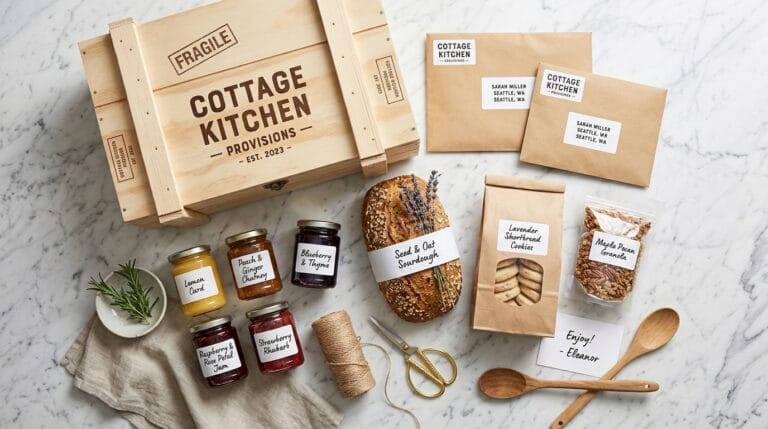
Can You Ship Cottage Food? The State-by-State Breakdown for 2026
Can you mail your cottage food products? The short answer is: it depends on your state. Here's the full 2026 breakdown of…
Read more
Georgia Cottage Food Laws 2026: No License Fee, Retail Sales Now Legal, and How to Start
Georgia eliminated its cottage food license fee and opened retail and restaurant sales in 2025 — and 2026 is your first full…
Read more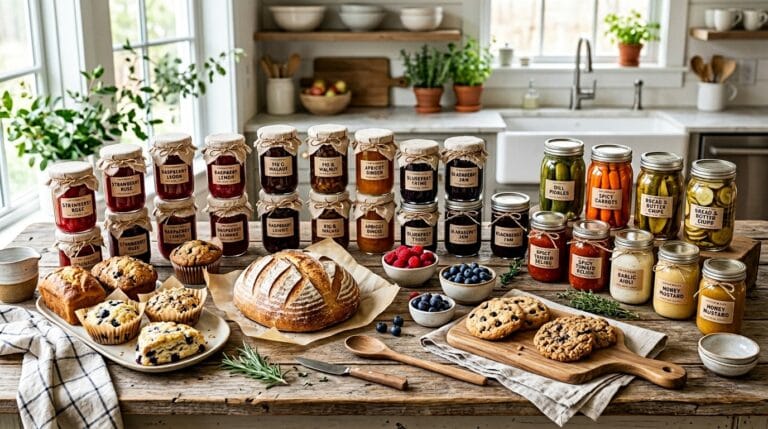
Food Freedom States 2026: Where Cottage Food Laws Go the Furthest
Nine states have passed food freedom laws that go far beyond standard cottage food rules — no permits, no sales caps, and…
Read more