StandScout vs. Butter & Sage Market: Are They Solving the Same Problem?
StandScout lists you in a directory. Butter & Sage Market lets customers buy from you. An honest comparison of two local food platforms and what they actually do for cottage food vendors.
 1 min read
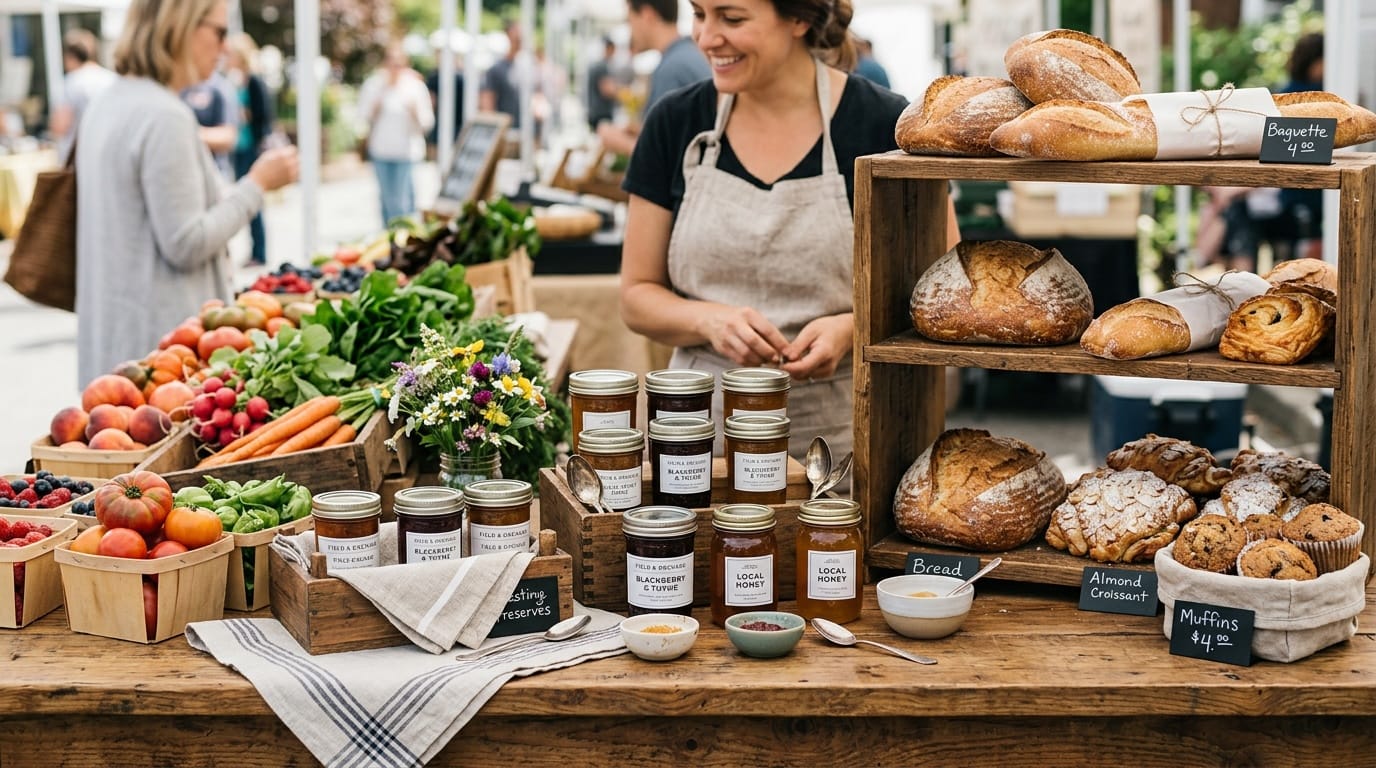
If you've been researching where to list your cottage food or farmers market business online, you've probably run into both StandScout and Butter & Sage Market. They both care about local food. They are not trying to solve the same problem — which is worth understanding before you decide where to spend your energy.
What StandScout Is
StandScout is a local food discovery directory. The platform lists over 37,000 farm stands, cottage food producers, and artisan makers across all 50 states, and shoppers use it to find local food producers in their area. Basic listings are free for vendors, and paid plans add features like inventory updates, online ordering coordination, and higher visibility in search results. StandScout has also built a substantial content library around cottage food law — genuinely useful content for the cottage food community. StandScout's core value to a vendor: discoverability in a searchable national directory.
What Butter & Sage Market Is
Butter & Sage Market is an online marketplace built exclusively for small and cottage food businesses. Vendors open full shop pages, list products for direct purchase, accept customer orders through the platform, host events like cooking classes and pop-up sales, and get discovered through a Farmers Market directory that connects shoppers with local markets and the vendors who sell there. The essential difference: transactions happen on Butter & Sage Market. A shopper can find your shop, browse your products, and actually buy from you — without ever leaving the platform.
Directory vs. Marketplace: Why It Matters
StandScout tells shoppers where to find you. Butter & Sage Market lets them buy from you. A directory listing is a signpost. Someone searching for local jam might find your StandScout listing and come to your booth next Saturday. That is valuable for booth-first sellers. The limitation is that the transaction depends on the customer making it to your booth at the right time.
A marketplace storefront converts that same shopper without the friction. They find your products, they buy, they arrange pickup or delivery through the platform. The sale happens when their interest is highest — immediately, not next Saturday.
Vendor Tools Beyond Discoverability
Butter & Sage Market includes vendor tools that StandScout's directory model does not cover: a full shop page with product listings, event creation for cooking classes or pop-up markets, integration with the Farmers Market directory, and editorial content through the site's food blog that attracts buyers already interested in local, homemade food.
Which One Is Right for You?
If you are just starting out and want maximum visibility with minimum setup, StandScout's free listing is a low-friction starting point. If you are ready to run an actual online food business — take orders from customers who cannot make it to your booth, build a shop that works seven days a week, and grow beyond the geographic limits of your local market — Butter & Sage Market is where to build that business. Many vendors use both. But if you are choosing where to invest your energy, the question is simple: do you want to be found, or do you want to be bought from?


Keep reading
More from the market
Castiron Is Gone: Best Alternatives for Cottage Food Vendors in 2026
Castiron has shut down. Here are the best alternatives for cottage food vendors in 2026, with honest pros, cons, and pricing for…
Read more
Cottage CMS vs. Butter & Sage Market: What a Website Builder Cannot Do That a Marketplace Can
Cottage CMS is a solid website builder for cottage food sellers. But there is a fundamental question it cannot answer: who finds…
Read more
Cottage Cakes vs. Butter & Sage Market: Two Ways to Sell Homemade Food Online — But Only One Helps You Grow
Both platforms connect home bakers with buyers. But the similarities end there. An honest comparison of Cottage Cakes vs. Butter & Sage…
Read more