Georgia Cottage Food Law 2026: No License, No Cap — What HB 398 Changed
Georgia's cottage food law got a major update in 2025 with HB 398 — now there's no revenue cap, retail sales are allowed, and the barrier to entry is just one food safety course. Here's the full breakdown.
 1 min read
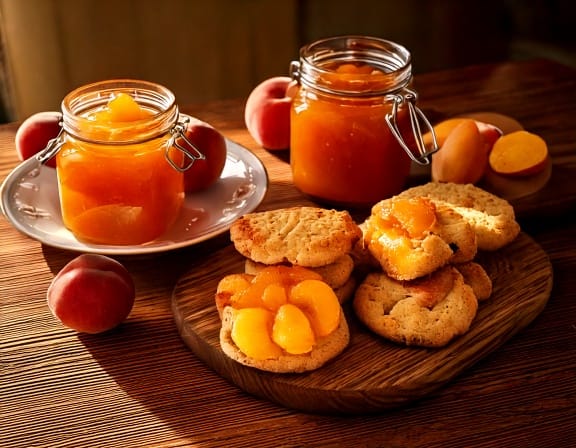
Georgia has long been a friendly state for home food producers, but 2025 brought some significant changes that made an already-good law even better. If you've been thinking about turning your kitchen skills into a cottage food business in Georgia, you're working with one of the most accessible frameworks in the Southeast.
Here's everything you need to know about the Georgia cottage food law in 2026, including what changed with HB 398.
What Is Georgia's Cottage Food Law?
Georgia's cottage food law allows home cooks and bakers to produce and sell certain non-hazardous foods made in a residential kitchen without a commercial food license. The program is overseen by the Georgia Department of Agriculture.
The big headline: no revenue cap, no license fee, and no home kitchen inspection required. Georgia keeps the barrier to entry intentionally low, which is why it's become a popular state for home-based food entrepreneurs.
What Changed with HB 398?
Georgia's House Bill 398 went into effect July 1, 2025, and it brought two important changes worth knowing about:
1. Retail sales are now allowed. Previously, Georgia cottage food sellers were limited to direct-to-consumer sales at farmers markets, events, and from home. HB 398 opened the door to selling through retail channels — meaning you can now wholesale your products to local stores, gift shops, and specialty food retailers.
2. Food safety training is now required. To sell cottage food in Georgia post-HB 398, you must complete an ANAB-accredited food safety course. This is a one-time requirement, not an annual renewal. The most accessible option is a ServSafe Food Handler or similar short-format course. It typically takes a few hours and costs between $15–30.
The food safety training requirement is a fair trade for the expanded sales permissions — and honestly, it's good practice regardless of the law.
What Can You Sell in Georgia?
Georgia allows a broad range of shelf-stable, non-hazardous foods, including:
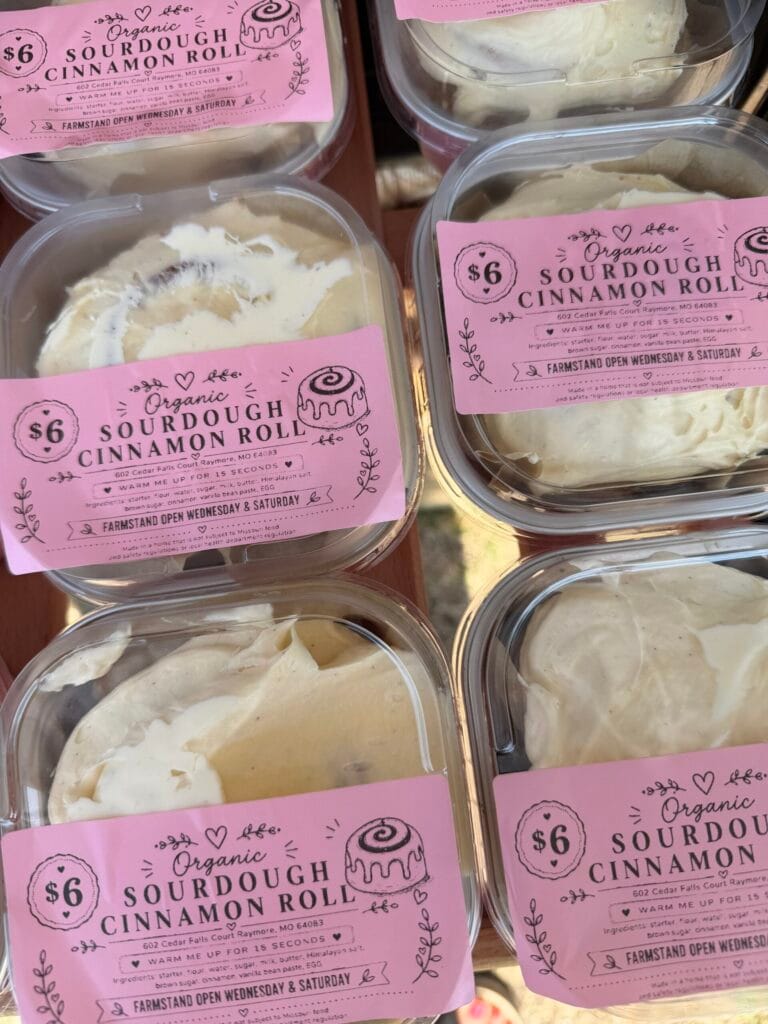
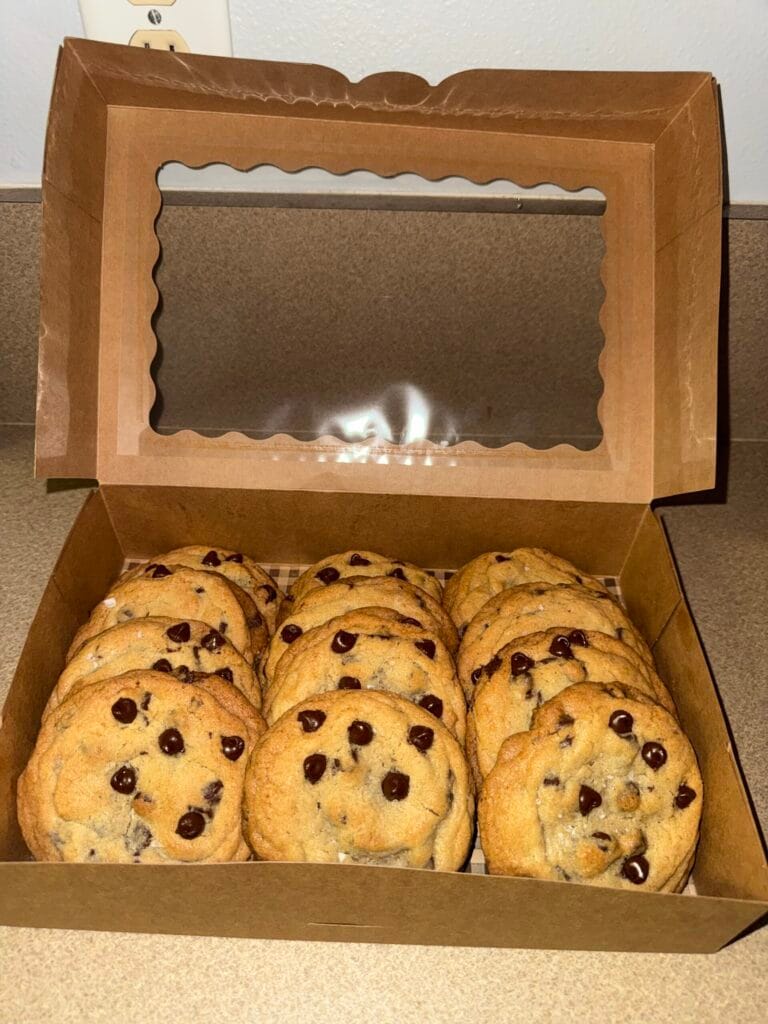

- Baked goods (breads, cakes, cookies, pies, pastries)
- Jams, jellies, and preserves
- Candy and fudge
- Granola, nuts, and dried goods
- Honey and bee products
- Dried herbs and spice blends
- Popcorn and roasted nuts
Products that require refrigeration — like cream-filled pastries, meat-based items, or anything temperature-controlled for safety — are not permitted under the cottage food exemption. If you're unsure about a specific product, the Georgia Department of Agriculture has a list of approved food categories.
Where Can You Sell?
Thanks to HB 398, Georgia cottage food sellers now have the broadest range of sales channels they've ever had:
- Farmers markets ✓
- From your home ✓
- At community events, craft fairs, and festivals ✓
- Retail stores (new as of July 1, 2025) ✓
- Online with in-state delivery ✓
Wholesale to restaurants or shipping out of state is still subject to commercial food licensing requirements.
Labeling Requirements
Every Georgia cottage food product must include:
- The name of the product
- Your name and home address
- A complete list of ingredients
- Net weight or volume
- Allergen information
- The statement: "This product was made in a home kitchen that is not inspected by the Georgia Department of Agriculture."
Keep the label clean, accurate, and legible. Clear labeling builds trust with customers — especially when you're selling at a retail store where you're not standing next to your product to answer questions.
Getting Started in Georgia
The path to legally selling cottage food in Georgia is genuinely simple: complete an ANAB-accredited food safety course, create proper labels, and you're ready to sell. No application form. No license fee. No waiting for an inspection appointment.
If retail is part of your plan, start small — approach a local gift shop, a coffee shop that sells packaged goods, or a specialty food store in your area. Having your products on a retail shelf dramatically expands your reach beyond what a Saturday farmers market can deliver.
And if you're building an online presence to go alongside your in-person sales, Butter & Sage Market is a great place to connect with local shoppers who are specifically looking for homemade and cottage food products in Georgia.
The law is on your side. Now it's just about showing up and making something worth buying.
For more information visit the Georgia Department of Agriculture website.
Georgia Makers: Find Your Customers on Butter & Sage Market
⚠ Legal Disclaimer: This post is for informational purposes only and is not legal advice. Cottage food laws change frequently — always check your state's current statutes or consult a local attorney before starting your food business.

Keep reading
More from the market
Can You Ship Cottage Food? The State-by-State Breakdown for 2026
Can you mail your cottage food products? The short answer is: it depends on your state. Here's the full 2026 breakdown of…
Read more
Georgia Cottage Food Laws 2026: No License Fee, Retail Sales Now Legal, and How to Start
Georgia eliminated its cottage food license fee and opened retail and restaurant sales in 2025 — and 2026 is your first full…
Read more
Food Freedom States 2026: Where Cottage Food Laws Go the Furthest
Nine states have passed food freedom laws that go far beyond standard cottage food rules — no permits, no sales caps, and…
Read more